Have you ever noticed that lifting heavy objects, climbing stairs, or getting up from a chair becomes more difficult as you grow older? These changes may seem like a normal part of aging, but they often reflect a gradual loss of muscle strength and muscle mass.
As people age, their bodies undergo changes that can affect movement, balance, endurance, and independence. The good news is that muscle weakness is not inevitable to the same degree for everyone. With regular exercise, proper nutrition, and healthy daily habits, you can maintain strength and improve physical function well into later life.
Understanding why muscles weaken with age is the first step toward fighting back.
1. What Happens to Your Muscles as You Age?
Muscles are essential for almost every movement your body makes. They help you walk, carry objects, maintain posture, and protect your joints.
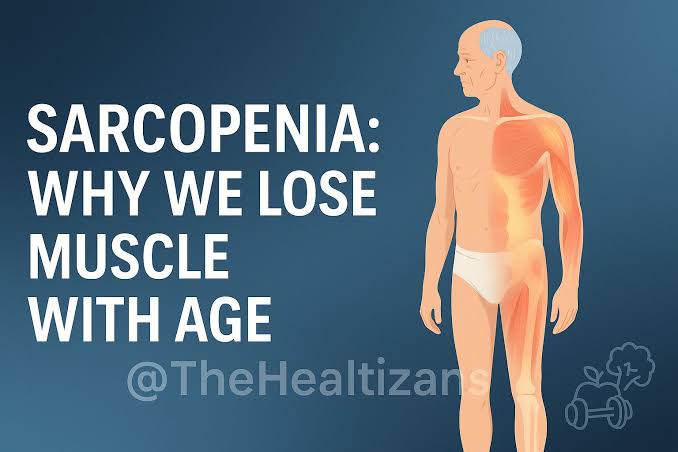
As you get older, you may gradually lose muscle mass and strength. Age-related loss of muscle mass and function is associated with a condition known as sarcopenia.
The process can begin in midlife and become more noticeable in later years, although the rate varies considerably from person to person.
Age-related muscle changes may lead to:
- Reduced strength and physical endurance.
- Difficulty climbing stairs or rising from a chair.
- Slower walking speed.
- Increased risk of falls.
- Greater difficulty performing everyday tasks.
However, aging alone does not determine how strong you will become. Your activity level, diet, medical conditions, and other lifestyle factors also play important roles.
2. Why Do Muscles Become Weaker With Age?
Several biological and lifestyle factors contribute to age-related muscle weakness.
Reduced physical activity
As people grow older, they may become less physically active because of work changes, retirement, joint discomfort, or other circumstances.
When muscles are not regularly challenged, they gradually lose strength and size. Prolonged inactivity can accelerate this process.
Changes in hormones
Hormones involved in muscle maintenance, including testosterone and growth hormone, change with age. These changes can affect the body’s ability to maintain muscle tissue, although hormones are only one part of the picture.
Slower muscle repair
The body continuously repairs and rebuilds muscle proteins. With aging, the response to certain muscle-building signals and nutrients may become less efficient.
This can make maintaining muscle more challenging, particularly when physical activity and protein intake are inadequate.
Changes in the nervous system
Your brain and nervous system communicate with muscles to coordinate movement and generate force. Age-related changes in these systems can affect coordination, reaction time, and the ability to produce strength quickly.
Chronic health conditions
Conditions such as diabetes, some inflammatory diseases, and illnesses that limit mobility may contribute to muscle loss. Certain medications or prolonged periods of illness can also affect strength.
3. Why Losing Muscle Is More Serious Than It Seems
Muscle weakness is not simply about lifting less weight at the gym. It can affect many aspects of everyday life.
Increased fall risk: Weaker muscles can make it harder to recover your balance after a stumble.
Reduced independence: Tasks such as carrying groceries, bathing, dressing, or climbing stairs may become more difficult.
Slower recovery: Muscle strength is important when recovering from injuries, surgery, or illness.
Reduced metabolic health: Muscle tissue helps the body use glucose and contributes to overall energy expenditure. Maintaining muscle supports healthy metabolic function.
Lower quality of life: Reduced mobility may make it harder to enjoy hobbies, social activities, and exercise.
These risks are not unavoidable. Maintaining strength can help older adults preserve mobility and independence.
4. Strength Training: One of the Best Ways to Fight Back
One of the most effective ways to maintain or rebuild muscle is resistance training. This type of exercise challenges muscles against resistance, encouraging them to adapt and become stronger.
You do not necessarily need an expensive gym membership.
Useful exercises include:
- Chair squats: Practise sitting down and standing up from a sturdy chair.
- Wall push-ups: Strengthen your chest, shoulders, and arms.
- Resistance-band exercises: Work different muscle groups with adjustable resistance.
- Light weightlifting: Use dumbbells or household objects that can be held safely.
- Step-ups: Practise stepping onto a low, stable step if your balance allows.
Start at a comfortable level and increase the challenge gradually as your strength improves.
Many adults benefit from strength training at least twice a week, working the major muscle groups. However, the right starting point depends on your fitness, balance, and medical history.
If you have significant weakness, frequent falls, severe joint pain, or a medical condition that affects exercise, ask a healthcare professional or qualified physiotherapist for guidance.
5. Eat Enough Protein to Support Muscle Growth
Exercise stimulates muscle development, but your body also needs adequate nutrition to repair and maintain muscle tissue.
Protein supplies amino acids, which are the building blocks of muscle.
Good sources include:
- Eggs.
- Fish and other seafood.
- Chicken and lean meat.
- Milk, yogurt, and other dairy products.
- Beans, lentils, and peas.
- Soy foods such as tofu.
- Nuts and seeds.
Including a source of protein in your meals can help you meet your daily needs. Older adults may need particular attention to protein intake because appetite and food intake can decline with age.
The amount you need depends on factors such as body size, activity level, and health status. People with kidney disease or other relevant medical conditions should seek individualized advice before substantially increasing protein intake.
Remember that protein supplements are not essential for everyone. A balanced diet can provide sufficient protein for many people.
6. Do Not Ignore Walking, Balance, and Flexibility
Strength training is important, but a well-rounded routine includes other types of physical activity.
Walking and other aerobic activities support heart health, endurance, and everyday mobility.
Balance exercises can improve stability and help reduce fall risk. Examples include supported heel-to-toe standing and practising controlled weight shifts.
Flexibility exercises help maintain comfortable movement and make everyday activities easier.
Combining these activities with resistance training can help you remain active and confident as you age.
Start with manageable sessions and increase the duration or difficulty gradually. Consistency is more important than attempting an intense workout that you cannot sustain.
7. Sleep and Recovery Matter Too
Muscles need time to recover after exercise. Adequate sleep, sufficient food, and appropriate rest between challenging workouts all support this process.
Adults generally benefit from seven to nine hours of sleep per night, although individual needs vary.
Avoid training the same muscles intensely every day when you are just beginning. Instead, allow recovery time and pay attention to persistent pain or unusual fatigue.
Smoking, excessive alcohol consumption, poor nutrition, and prolonged inactivity can also undermine your efforts to maintain strength.
8. When Should Muscle Weakness Concern You?
Some gradual changes in strength can occur with age, but significant or unexplained weakness should not automatically be dismissed as normal aging.
Speak with a healthcare professional if you notice:
- Rapid or unexplained loss of strength.
- Difficulty walking or repeatedly falling.
- Unintentional weight loss.
- Persistent muscle pain or severe fatigue.
- Weakness that interferes with normal daily activities.
Sudden weakness, particularly on one side of the body or accompanied by facial drooping or difficulty speaking, requires emergency medical attention because it may indicate a stroke.
A healthcare professional can assess possible causes, including nutritional deficiencies, medication effects, nerve problems, and other medical conditions.
Final Thoughts
Muscle weakness is a common concern as people grow older, but it is not a reason to give up on strength, mobility, or independence.
Regular resistance training, adequate protein, balanced nutrition, sufficient sleep, and consistent physical activity can all help protect muscle function. Even small improvements in strength may make everyday tasks easier and help you remain active for longer.
The most important step is to begin at a safe level and build gradually. You do not have to become a professional athlete to benefit from stronger muscles.
Aging may change your body, but the habits you practise today can influence how well you move tomorrow.