
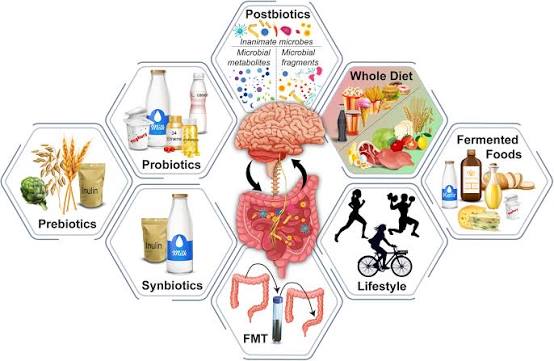
Your gut is home to trillions of microorganisms, including bacteria, fungi, and other tiny organisms that play important roles in digestion, immunity, and overall health. Together, these microorganisms form what scientists call the gut microbiome.
In recent years, researchers have discovered that the gut microbiome may provide valuable clues about a person’s health. Changes in the types and balance of gut microorganisms have been linked to several conditions, including digestive disorders, diabetes, obesity, and inflammatory diseases.
But can your gut microbiome actually predict future health problems? The answer is promising, although scientists still have much to learn.
1. What Is the Gut Microbiome?
The gut microbiome refers to the community of microorganisms living primarily in your digestive tract, especially the large intestine.
These microorganisms perform several important functions, including:
- Helping break down certain foods that the body cannot digest on its own.
- Producing beneficial substances, including some vitamins and short-chain fatty acids.
- Supporting the immune system.
- Maintaining the protective lining of the intestines.
- Helping prevent harmful microorganisms from becoming established.
A healthy gut microbiome is not defined by having one particular type of bacteria. Instead, it involves a complex community of microorganisms that interact with one another and with the human body.
Diet, age, medication, sleep, stress, physical activity, and environmental factors can all influence this microbial community.
2. Can Your Gut Microbiome Reveal Future Health Risks?
Researchers have found associations between certain microbiome patterns and different health conditions. These discoveries suggest that analyzing gut microorganisms may eventually help identify some health risks earlier.
However, a microbiome pattern associated with a disease does not necessarily mean that a person will develop that disease.
For example, scientists have observed differences in gut microorganisms between some people with metabolic disorders and people without them. Such differences may help researchers understand disease development, but they do not yet provide a reliable prediction for every individual.
In the future, microbiome analysis may become one part of a broader health assessment that also considers family history, lifestyle, blood tests, and other medical information.
3. The Connection Between Gut Health and Diabetes
The gut microbiome has attracted considerable attention in research on type 2 diabetes.
Some studies have identified differences in gut microbial communities among people with diabetes, including changes in microorganisms associated with inflammation and metabolism.
Gut bacteria can also produce substances that influence how the body processes nutrients and communicates with the immune system.
Nevertheless, diabetes is a complex condition influenced by many factors, including genetics, body composition, physical activity, diet, and age. A gut microbiome test cannot currently determine with certainty whether an otherwise healthy person will develop diabetes.
Established screening methods, such as blood glucose and HbA1c tests, remain much more useful for assessing diabetes risk and diagnosis.
4. What Can Your Gut Microbiome Tell You About Digestive Diseases?
The microbiome is particularly relevant to digestive health.
Researchers have identified associations between changes in gut microorganisms and conditions such as inflammatory bowel disease, including Crohn’s disease and ulcerative colitis.
Certain infections can also disrupt the normal microbial community, while antibiotics may temporarily or sometimes persistently change the balance of microorganisms in the gut.
These findings could eventually help doctors develop better diagnostic tools and more personalized treatments.
However, microbiome changes can be a consequence of disease rather than its original cause. This makes it difficult to determine whether a particular microbial pattern predicts a problem or simply reflects an existing condition.
5. Could Gut Bacteria Predict Obesity and Heart Disease?
Scientists are investigating whether gut microorganisms influence how the body extracts energy from food, regulates appetite, and processes fats.
Some studies have linked particular microbial patterns with obesity and metabolic health. Researchers are also examining possible connections between gut bacteria, inflammation, blood pressure, and cardiovascular disease.
One area of interest involves substances produced when gut bacteria process certain nutrients. Depending on the substance and the person’s health, these compounds may influence biological processes related to cardiovascular function.
Still, these relationships are complicated. Diet, medication, genetics, and existing illnesses can affect both the microbiome and disease risk.
At present, gut microbiome testing should not replace established assessments such as cholesterol measurements, blood pressure checks, and evaluation of other cardiovascular risk factors.
6. How Can You Support a Healthy Gut Microbiome?
Although scientists cannot yet predict every future health problem from gut bacteria, there are practical ways to support a healthy digestive system.
Eat a variety of fiber-rich foods. Vegetables, fruits, beans, lentils, whole grains, nuts, and seeds provide nutrients that support beneficial gut microorganisms.
Include fermented foods if they suit you. Foods such as plain yogurt with live cultures and some fermented vegetables can introduce microorganisms or support dietary diversity. Their effects vary, and not every fermented food contains live cultures.
Limit highly processed foods. Try to make minimally processed, nutrient-rich foods the foundation of your diet rather than relying heavily on products high in added sugar, salt, and unhealthy fats.
Exercise regularly. Physical activity supports general metabolic health and may also influence the gut microbiome.
Use antibiotics responsibly. Antibiotics can be essential for treating bacterial infections, but unnecessary use can disrupt gut microorganisms. Take them only as prescribed by a qualified healthcare professional.
Prioritize sleep and stress management. Regular sleep and effective stress-management habits support overall health, including digestive well-being.
No single food or supplement guarantees a healthy microbiome. A varied, balanced lifestyle is a more reliable starting point than attempting to target individual bacteria.
7. Are Gut Microbiome Tests Worth It?
Commercial stool tests are increasingly marketed as tools for understanding gut health. Some analyze the microorganisms present in a stool sample and provide information about their relative abundance.
However, important limitations remain:
- There is no universally accepted definition of an ideal microbiome for every person.
- Results may differ depending on the testing method and laboratory.
- A list of detected microorganisms does not automatically reveal whether someone has a disease.
- Many commercial recommendations based on test results have not been adequately validated by clinical research.
For these reasons, people should be cautious about expensive microbiome tests that promise to predict future diseases or prescribe highly specific diets and supplements.
If you have persistent digestive symptoms or concerns about a particular condition, a healthcare professional can recommend tests with established clinical value.
Final Thoughts
Your gut microbiome may eventually become an important tool for understanding and predicting certain health problems. Research already suggests that gut microorganisms are connected to digestion, immune function, metabolism, and several chronic diseases.
However, the science is not yet advanced enough for routine gut microbiome testing to reliably predict an individual’s future health problems.
For now, the best approach is to support your gut through a varied diet, regular physical activity, sufficient sleep, and responsible medication use. These habits benefit your overall health even as scientists continue exploring the relationship between gut bacteria and disease.
The future of medicine may involve using microbiome information alongside genetic data, medical history, and routine tests to identify risks earlier and develop more personalized treatments. Until then, gut health is an important part of well-being, but it is not a crystal ball for your future.