When people think about weak bones, they often associate the problem with old age. However, bone health begins much earlier in life, and the habits you develop during childhood, adolescence, and adulthood can influence how strong your bones remain as you grow older.
Your bones are not lifeless structures. They are living tissues that continuously break down and rebuild themselves. Throughout life, your body replaces old bone tissue with new tissue, helping maintain strength and supporting movement. When bone breakdown begins to outpace bone formation, bone density can decline, making bones more vulnerable to fractures.
Low bone density can develop without obvious symptoms. Many people do not realize their bones have become weaker until they experience a fracture after a relatively minor fall or injury.
Understanding bone density early can help you take practical steps to protect your skeleton, maintain mobility, and reduce your risk of osteoporosis later in life.
1. What Is Bone Density, and Why Is It Important?
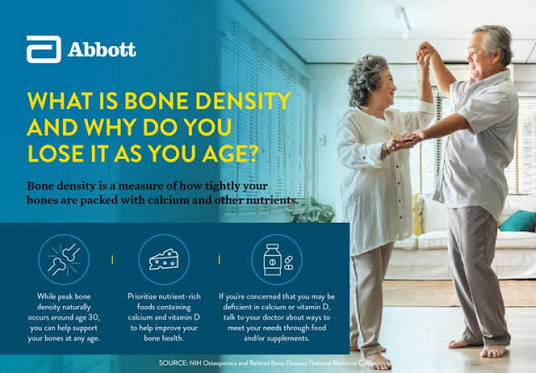
Bone density refers to the amount of mineral matter, particularly calcium and phosphorus, contained within a certain volume of bone. These minerals help give bones their strength and rigidity.
Higher bone density generally indicates stronger bones, although bone strength also depends on bone structure, quality, and other factors.
When bone density becomes too low, bones may become fragile and more likely to break. This condition can occur as osteopenia, which means bone density is below the expected range but not low enough to meet the usual definition of osteoporosis, or osteoporosis itself, a disease characterized by weakened bones and increased fracture risk.
Bone density matters because your skeleton supports your body, protects organs, and works with your muscles to help you move. Healthy bones also serve as a reservoir for minerals that the body needs for normal functioning.
Maintaining bone health is therefore important not only for preventing fractures but also for preserving independence and physical activity throughout life.
2. Your Bones Reach Their Peak Strength Earlier Than You Might Think
One reason bone density matters before old age is that much of your lifetime bone mass is built during childhood and adolescence.
During these years, the body develops and strengthens its skeleton. Bone mass generally continues increasing into early adulthood, with peak bone mass commonly reached sometime in the twenties or early thirties, depending on the individual and the bone being measured.
After peak bone mass is reached, bone maintenance becomes increasingly important. Bone loss may occur gradually with age, although the timing and rate vary from person to person.
Think of peak bone mass as a foundation. Building a strong foundation early gives you more bone reserve to draw on later, although it does not eliminate the possibility of osteoporosis.
Nutrition, physical activity, hormones, genetics, and general health all influence how much bone mass a person develops.
The takeaway: Protecting your bones should begin long before you notice signs of aging.
3. Low Bone Density Can Develop Without Warning
Unlike a cut or muscle strain, low bone density usually does not cause immediate pain.
You may walk, work, exercise, and carry out everyday activities without realizing that your bones are gradually losing strength.
Osteoporosis is sometimes called a silent disease because bone loss can occur without noticeable symptoms until a fracture happens.
Common fracture sites include the hip, spine, and wrist. Spinal fractures can sometimes occur during ordinary activities, such as bending or lifting, and may lead to back pain, reduced height, or changes in posture.
However, back pain and changes in height can have many causes. They should not automatically be attributed to osteoporosis without an appropriate assessment.
Because symptoms are often absent, prevention and risk assessment are important, particularly for people with known risk factors.
4. Poor Nutrition Can Weaken Your Bones Over Time
Your bones need adequate nutrients to develop and maintain their structure. Calcium and vitamin D are particularly important, but they are not the only nutrients involved.
Calcium is a major mineral component of bones. If your diet consistently fails to provide enough calcium, your body may draw on calcium stored in your skeleton to help maintain normal calcium levels in the blood.
Vitamin D helps the body absorb calcium from food. Inadequate vitamin D can interfere with normal bone mineralization and contribute to bone problems.
Protein also supports bone structure and helps maintain the muscles that protect your skeleton during movement and falls.
Foods that can support bone health include:
- Calcium-rich foods: Milk, yogurt, cheese, calcium-fortified alternatives, and certain leafy green vegetables.
- Vitamin D sources: Oily fish, egg yolks, and fortified foods where available.
- Protein-rich foods: Beans, lentils, eggs, fish, meat, dairy products, and other suitable protein sources.
- Other nutrient-rich foods: Vegetables, fruits, nuts, seeds, and whole grains as part of a balanced diet.
You do not necessarily need supplements if your diet meets your nutritional needs. If you suspect a deficiency or have a condition affecting nutrient absorption, ask a healthcare professional whether testing or supplementation is appropriate.
5. Physical Activity Helps Build and Maintain Strong Bones
Bones respond to the demands placed on them. Weight-bearing and resistance exercises help stimulate the processes involved in maintaining bone strength.
Weight-bearing activities include walking, dancing, hiking, and climbing stairs. Resistance exercises include lifting weights, using resistance bands, and performing suitable bodyweight exercises.
For younger people, regular physical activity can help build bone mass. For adults, it can help maintain bone strength, improve muscle function, and support balance.
Muscle strength and balance are particularly important because they can reduce the likelihood of falls, which are a major cause of fractures.
Not every activity has the same effect on bone density. Swimming and cycling are excellent forms of exercise for cardiovascular fitness, but because they place less weight-bearing stress on the skeleton, they may provide less direct bone-strengthening stimulus than activities such as walking or resistance training.
If you already have osteoporosis, a history of fractures, or significant balance problems, seek professional guidance before beginning high-impact exercise or heavy lifting.
6. Hormonal Changes Can Accelerate Bone Loss
Hormones play an important role in regulating bone formation and breakdown.
In women, estrogen helps protect bone tissue. Estrogen levels decline during menopause, and this can accelerate bone loss, particularly in the years surrounding the menopausal transition.
Men also experience age-related hormonal changes. Low testosterone can contribute to bone loss in some men.
Other hormonal and medical conditions may affect bone health at younger ages. These include certain thyroid or parathyroid disorders and conditions that interfere with nutrient absorption.
Some medications, especially long-term use of oral or injected glucocorticoids such as prednisone, can also contribute to bone loss.
This is why osteoporosis is not exclusively an older person’s concern. Younger adults with particular medical conditions, medication exposures, or hormonal problems may also be at risk.
If you take medication that may affect bone health, do not stop it on your own. Discuss the benefits, risks, and possible protective measures with your healthcare professional.
7. Everyday Habits Can Influence Your Bone Health
Some lifestyle habits can gradually undermine bone strength.
Smoking: Smoking is associated with poorer bone health and a higher risk of fractures.
Excessive alcohol consumption: Heavy drinking can interfere with bone health and increase the likelihood of falls and injuries.
Insufficient physical activity: Spending most of your time sitting can mean missing out on the bone and muscle benefits of regular exercise.
Restrictive eating: Consistently eating too little or following a diet that lacks essential nutrients can interfere with bone development and maintenance.
Very low body weight: Being underweight can be associated with lower bone mass and a greater risk of fractures, although individual risk varies.
The good news is that many of these factors can be addressed. Avoiding tobacco, limiting alcohol, eating adequately, and staying physically active can support both bone health and general well-being.
8. Who Should Be Concerned About Low Bone Density?
Anyone can experience bone loss, but some people have a higher risk of osteoporosis or fractures.
Risk factors include:
- Older age.
- Menopause, especially early menopause.
- A previous fracture after a minor injury.
- A family history of osteoporosis or hip fracture.
- Low body weight.
- Smoking and heavy alcohol use.
- Long-term use of certain medications, particularly glucocorticoids.
- Medical conditions that affect hormones, nutrition, or nutrient absorption.
Having one or more risk factors does not mean you definitely have osteoporosis. It means you may benefit from discussing your bone health with a healthcare professional.
Bone mineral density can be measured using a specialized scan called dual-energy X-ray absorptiometry, commonly known as a DXA or DEXA scan.
Screening recommendations depend on age, sex, medical history, fracture history, and local clinical guidance. Not everyone needs a scan at a young age, but people with significant risk factors may need earlier assessment.
9. Practical Ways to Protect Your Bones Starting Today
You do not need to wait until adulthood or old age to begin caring for your skeleton. Small, consistent habits can make a difference over time.
Eat a balanced diet. Include adequate calcium, vitamin D, protein, and other essential nutrients.
Exercise regularly. Combine appropriate weight-bearing activity with resistance training to support bone and muscle strength.
Spend time outdoors sensibly. Sunlight helps the body produce vitamin D, but the amount needed varies with skin tone, location, season, clothing, and other factors. Avoid sunburn and follow local sun-safety advice.
Avoid smoking. If you smoke, seek support to quit.
Limit alcohol. Avoid heavy drinking and follow appropriate health guidance.
Review your medications and health conditions. If you take long-term steroids or have a condition associated with bone loss, ask whether you need monitoring or preventive treatment.
Reduce fall risks. Keep walkways clear, use appropriate lighting, wear suitable footwear, and work on balance and leg strength as you age.
The best plan is one that matches your age, health status, activity level, and individual risk factors.
10. Why Prevention Is Better Than Waiting for a Fracture
A fracture can affect much more than a single bone. Depending on its location and severity, it may cause pain, limit movement, interfere with work, and require months of recovery.
Hip fractures in older adults can be particularly serious because they may lead to reduced independence and other complications. Spinal fractures can also affect posture, mobility, and quality of life.
Not every fracture is caused by osteoporosis, and not every person with low bone density will experience one. Nevertheless, maintaining bone strength and preventing falls are important ways to reduce risk.
The earlier you develop healthy habits, the more time you have to support your bones. Even if you are already an adult, it is not too late to improve your nutrition, strength, balance, and overall bone-health routine.
Final Thoughts
Bone density is not just a concern for people in their sixties, seventies, or beyond. The foundation of lifelong bone health is built during childhood and early adulthood, while healthy habits throughout later life can help maintain strength and reduce fracture risk.
A balanced diet, regular weight-bearing and resistance exercise, avoiding smoking, limiting excessive alcohol, and addressing medical risk factors can all contribute to healthier bones.
Because low bone density often develops without symptoms, people with significant risk factors should not wait for a fracture before seeking advice.
The key lesson is simple: Strong bones are built and protected over a lifetime. The habits you develop today can help support your mobility, independence, and quality of life in the years ahead.