Have you ever noticed your heart beating faster after climbing stairs, slowing down while you sleep, or suddenly pounding when you feel nervous? These changes are often a normal part of how the body responds to everyday activities, emotions, and changes in physical demand.
Your heart rate—the number of times your heart beats per minute—is an important indicator of how your cardiovascular system responds to different situations. It changes throughout the day to deliver oxygen-rich blood to your brain, muscles, and other organs.
However, some heart rate patterns can sometimes signal an underlying health problem. A persistently fast heartbeat, an unusually slow pulse accompanied by symptoms, or an irregular rhythm that appears unexpectedly may deserve medical attention.
Understanding why your heart rate changes can help you recognize normal variations, identify possible warning signs, and make informed decisions about your health.
1. What Is a Normal Heart Rate?
Heart rate is measured in beats per minute (BPM). It varies according to age, fitness level, medications, health conditions, and what your body is doing at a particular moment.
For most adults, a typical resting heart rate is between 60 and 100 beats per minute when measured while awake, calm, and at rest.
However, this range is not a universal measure of health. Well-trained athletes may have resting heart rates below 60 BPM without having a medical problem. Certain medications and medical conditions can also cause a lower or higher resting rate.
Children generally have faster heart rates than adults, and their expected ranges depend on their age.
Your heart rate also changes naturally throughout the day. It may rise when you stand up, walk, exercise, experience stress, or develop a fever. It usually decreases when you relax or sleep.
Rather than focusing on one isolated measurement, it is often more useful to understand your usual heart rate and notice whether significant changes occur alongside other symptoms.
2. Why Your Heart Rate Increases During Exercise
When you exercise, your muscles need more oxygen and energy. Your heart responds by pumping blood more quickly to meet this increased demand.
As a result, your heart rate rises during activities such as running, cycling, swimming, dancing, or walking uphill.
The harder you exercise, the faster your heart will generally beat. Your breathing may also become quicker as your body works to deliver oxygen and remove carbon dioxide.
After you stop exercising, your heart rate gradually moves toward its resting level. The speed of recovery depends on factors such as fitness, exercise intensity, age, temperature, hydration, and overall health.
Regular aerobic exercise can improve cardiovascular fitness, allowing the heart to pump blood more efficiently. Over time, some people notice that their heart rate is lower during the same moderate activity.
However, an unusually rapid heartbeat during light activity, particularly when accompanied by chest discomfort, faintness, or disproportionate shortness of breath, should not automatically be attributed to poor fitness.
If these symptoms are new, severe, or recurring, seek medical assessment.
3. A Fast Heartbeat at Rest: What Could It Mean?
A resting heart rate above 100 BPM in an adult is generally described as tachycardia. It does not always mean something is seriously wrong, because temporary increases can occur for many reasons.
Common causes include:
- Emotional stress or anxiety
- Fever or infection
- Dehydration
- Caffeine or other stimulants
- Nicotine use
- Certain medications
- Pain
- Anemia
- An overactive thyroid
- Some heart rhythm disorders
For example, your heart may beat faster when you are anxious before an important meeting. This happens because the body’s stress response releases chemicals that prepare you to react to a perceived challenge.
A fast heartbeat that continues while you are resting, occurs repeatedly without an obvious explanation, or feels unusually forceful deserves attention.
The pattern also matters. A heart rate that rises gradually during stress is different from an episode in which the heart suddenly starts racing and then abruptly returns to normal. Sudden episodes can sometimes be associated with an abnormal heart rhythm.
If your resting heart rate remains unusually high, arrange a medical assessment. Seek emergency care if a rapid heartbeat occurs with chest pain, severe shortness of breath, fainting, or significant dizziness.
4. Why Your Heart Rate Slows Down
A slower heartbeat is not necessarily a sign of poor health.
During sleep, your body generally needs less energy, and the nervous system shifts toward processes associated with rest and recovery. Consequently, your heart rate often decreases.
People who exercise regularly may also develop a lower resting heart rate because their hearts become more efficient at pumping blood.
A resting heart rate below 60 BPM in an adult is commonly described as bradycardia. In some people, especially trained athletes, this can be normal.
However, a slow heart rate may sometimes occur because of problems with the heart’s electrical system, an underactive thyroid, certain medications, or other medical conditions.
Symptoms are particularly important. A slow heartbeat accompanied by unusual fatigue, weakness, dizziness, confusion, shortness of breath, or fainting may mean that the body is not receiving enough blood flow.
If these symptoms are new or persistent, seek medical advice. Severe symptoms, including fainting or difficulty breathing, require emergency assessment.
Do not assume that a low heart rate is healthy simply because you are physically active. Your usual pattern, medications, symptoms, and medical history all matter.
5. What Does an Irregular Heartbeat Mean?
A normal heart rhythm is usually relatively regular, although slight variations can occur naturally with breathing.
An irregular heartbeat means the heart’s timing or rhythm feels different from its usual pattern. Some people describe it as fluttering, skipping beats, pounding, or briefly pausing before a stronger beat.
Occasional premature beats can occur in otherwise healthy people. They may become more noticeable after caffeine, alcohol, stress, poor sleep, or strenuous activity.
However, repeated or persistent irregular rhythms may be associated with conditions that require treatment.
One example is atrial fibrillation, a heart rhythm disorder in which the upper chambers of the heart beat in a disorganized way. It can cause a racing or irregular pulse, fatigue, dizziness, or breathlessness, although some people experience no noticeable symptoms.
Atrial fibrillation is important to identify because it can increase the risk of blood clots and stroke.
You cannot reliably identify the exact cause of an irregular heartbeat from how it feels alone. A healthcare professional may recommend an electrocardiogram (ECG), a portable heart monitor, or other tests to determine what is happening.
Seek urgent medical care if an irregular heartbeat occurs with chest pain, fainting, severe breathlessness, or signs of a stroke, such as sudden weakness on one side or difficulty speaking.
6. How Stress, Anxiety, and Emotions Affect Your Heart
Your heart responds not only to physical activity but also to emotional experiences.
When you feel frightened, excited, angry, or anxious, your body activates its stress response. Chemicals such as adrenaline can make your heart beat faster and more forcefully.
You may notice a pounding heartbeat before an examination, during a difficult conversation, or when facing an unexpected problem.
For some people, anxiety can create a cycle: they notice their heart beating quickly, become frightened by the sensation, and then experience an even faster heartbeat because of the additional stress.
Slow breathing, relaxation techniques, regular exercise, and adequate sleep may help reduce stress-related symptoms.
However, it is important not to assume that every episode of a racing heart is caused by anxiety. Heart rhythm disorders and other medical conditions can produce similar sensations.
If episodes happen repeatedly, begin suddenly without an obvious trigger, or interfere with everyday activities, speak with a healthcare professional.
Getting an appropriate evaluation can help distinguish stress-related changes from conditions that need specific treatment.
7. Dehydration, Caffeine, and Other Everyday Triggers
Several everyday factors can temporarily change your heart rate.
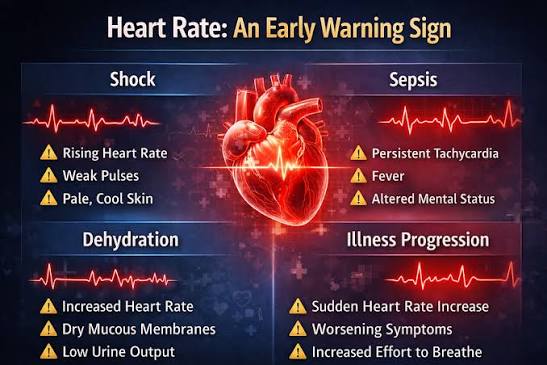
Dehydration: When you lose too much fluid through sweating, vomiting, diarrhea, or inadequate fluid intake, the amount of blood circulating through your body can decrease. Your heart may compensate by beating faster.
Caffeine: Coffee, energy drinks, strong tea, and some supplements can increase alertness and cause palpitations in sensitive individuals. The effect depends on the amount consumed and personal sensitivity.
Alcohol: Alcohol can affect heart rhythm in some people, particularly after heavy consumption. It can also contribute to dehydration and poor sleep.
Nicotine: Tobacco and other nicotine products can stimulate the cardiovascular system and increase heart rate.
Illness and fever: Your heart may beat faster when your body is fighting an infection or responding to inflammation.
Medications: Some decongestants, asthma medicines, thyroid medications, and other drugs can affect heart rate.
If you notice a pattern, consider whether a recent change in hydration, caffeine intake, medication, or health could explain it. Do not stop prescribed medication without consulting your healthcare professional.
If your heart rate remains abnormal despite addressing an obvious trigger, or if symptoms are severe, seek medical advice.
8. Why Your Heart Rate Changes When You Stand Up
Have you ever felt your heart beating faster after getting out of bed or standing up quickly?
When you stand, gravity causes some blood to move toward your lower body. Your body normally adjusts by tightening blood vessels and slightly increasing your heart rate to help maintain blood pressure and blood flow to the brain.
This adjustment usually happens without noticeable symptoms.
However, some people experience dizziness, blurred vision, weakness, or palpitations when standing. These symptoms may be associated with dehydration, low blood pressure, medication effects, anemia, or problems regulating heart rate and circulation.
One possible condition is postural orthostatic tachycardia syndrome (POTS), which involves an excessive increase in heart rate after standing and is associated with symptoms that worsen upright. Diagnosis requires a proper medical assessment rather than a single heart rate reading.
If you frequently feel faint when standing, sit or lie down somewhere safe and discuss the symptoms with a healthcare professional.
Seek emergency care if you faint and do not recover promptly, experience chest pain, or have severe breathing difficulties.
9. How to Measure and Track Your Heart Rate
Checking your heart rate can help you understand your usual pattern, especially if you have noticed changes.
You can measure it manually or use a suitable wearable device.
To measure your pulse manually:
- Sit quietly for several minutes.
- Place your index and middle fingers on the inside of your wrist, below the base of your thumb.
- Press gently until you feel the pulse.
- Count the beats for 60 seconds, especially if the rhythm feels irregular.
- Record the result and note whether you were resting, exercising, feeling stressed, or experiencing symptoms.
Wearable watches and fitness trackers can provide useful estimates, but they are not perfect. Movement, poor sensor contact, skin characteristics, and device limitations can affect accuracy. A wearable alert alone does not confirm a medical diagnosis.
If you experience repeated episodes, keep a record of the time, approximate duration, heart rate, symptoms, and possible triggers.
This information can help your healthcare professional decide whether further investigation is necessary.
Avoid repeatedly checking your pulse if doing so increases anxiety. The goal is to recognize meaningful patterns, not to monitor every heartbeat throughout the day.
10. When Should You Be Concerned About Your Heart Rate?
A single unusual reading does not necessarily indicate a serious problem. Your heart rate naturally varies according to activity, sleep, emotions, and other factors.
Nevertheless, certain symptoms should never be ignored.
Seek emergency medical care if a fast, slow, or irregular heartbeat occurs with:
- Chest pain, pressure, or tightness
- Severe difficulty breathing
- Fainting or near-fainting
- Sudden confusion or severe weakness
- Signs of a stroke, including sudden facial drooping, arm weakness, or difficulty speaking
Do not delay emergency care while waiting for your heart rate to return to normal.
You should also arrange a medical assessment if your resting heart rate repeatedly remains above 100 BPM or below 60 BPM and this is unusual for you, especially if you have symptoms. These numbers are general reference points for adults, not absolute rules for every individual.
Repeated palpitations, unexplained exercise intolerance, or a sudden change in your usual heart rate also deserve attention.
Depending on your symptoms, a clinician may check your blood pressure, perform an ECG, review your medications, or order blood tests to investigate possible causes.
Final Thoughts
Your heart rate is constantly adjusting to meet your body’s needs. It typically rises during exercise, stress, and illness and slows during sleep and relaxation. These changes are often normal and reflect the body’s ability to respond to different situations.
However, persistent rapid heart rates, unusually slow heartbeats accompanied by symptoms, and recurring irregular rhythms can sometimes indicate a medical problem.
The most useful approach is to understand your usual heart rate, pay attention to changes that occur without an obvious explanation, and consider the symptoms that accompany them.
Regular physical activity, adequate hydration, sufficient sleep, and moderation with caffeine and alcohol can support general cardiovascular health. But these habits cannot replace medical evaluation when concerning symptoms occur.
The bottom line: Your heart rate is an important clue about how your body is responding to daily life. Learning what is normal for you—and recognizing when a change comes with warning signs—can help you make better decisions about your heart health.