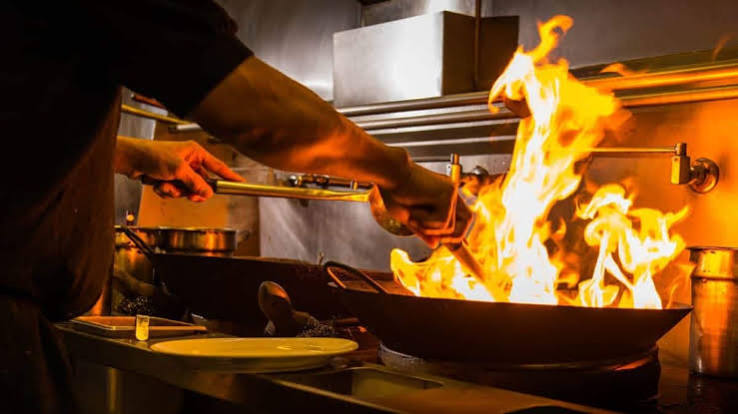
Cooking is one of the most important ways to make food safer to eat. Heat destroys many harmful microorganisms, including bacteria and parasites, while also improving the taste, texture, and digestibility of many foods. However, cooking at very high temperatures can sometimes create unwanted chemical compounds, damage certain nutrients, and change the overall quality of a meal.
From frying meat in hot oil to grilling food over an open flame, the way you cook can influence both food safety and nutritional value. Although high temperatures can help kill dangerous germs, they do not automatically make every food safe, especially if the food is burned, contaminated after cooking, or handled incorrectly.
So, does cooking at high temperatures make food safer or potentially more harmful? The answer depends on the type of food, the cooking method, the temperature reached inside the food, and how long it is exposed to heat.
Here is what you need to know about high-temperature cooking and food safety.
1. How Heat Makes Food Safer to Eat
Raw foods can contain harmful microorganisms that cause foodborne illnesses. These include bacteria such as Salmonella and Campylobacter, as well as certain parasites and viruses that may be present through contamination.
Cooking helps reduce these risks by exposing microorganisms to sufficient heat for an appropriate amount of time. The necessary conditions depend on the food and the pathogen involved.
For example, poultry must be cooked thoroughly because raw or undercooked chicken can carry harmful bacteria. Eggs, meat, seafood, and leftovers also require appropriate handling and cooking.
However, simply setting an oven or frying pan to a high temperature does not guarantee that the entire food has reached a safe temperature. The outside may become brown or crispy while the center remains undercooked.
This is why internal temperature matters.
Using a food thermometer is one of the most reliable ways to determine whether many foods have been cooked safely. Color, texture, and cooking time alone can sometimes be misleading.
The key is not to use the highest possible temperature for everything. It is to apply enough heat for long enough to make the food safe without unnecessarily burning it.
2. What Happens When Food Is Cooked at Extremely High Temperatures?
High-temperature cooking can produce delicious flavors and textures, particularly when food develops a browned surface. This process, which includes the Maillard reaction, creates many of the aromas and flavors associated with roasted meat, toasted bread, and grilled vegetables.
However, when certain foods are exposed to very high temperatures, especially during prolonged cooking or charring, chemical reactions can produce potentially harmful substances.
Two important examples are heterocyclic amines (HCAs) and polycyclic aromatic hydrocarbons (PAHs).
HCAs can form in muscle meats, including beef, pork, poultry, and fish, when they are cooked at high temperatures, particularly through frying, grilling, or broiling.
PAHs can form when fat and juices drip onto hot surfaces or flames, creating smoke that deposits compounds on the food. They can also form during incomplete combustion of organic material.
The amounts produced depend on factors such as cooking temperature, cooking duration, the amount of smoke, and how heavily the food is browned or charred.
Research has raised concerns about some of these compounds because certain ones have caused cancer in laboratory animals, and some are considered potentially relevant to human cancer risk. However, the relationship between ordinary dietary exposure and an individual’s cancer risk is complex.
This does not mean you must stop grilling or roasting food. Instead, avoid routinely burning food and use cooking techniques that reduce excessive charring and smoke.
3. Does Frying Food at High Temperatures Make It Unhealthy?
Deep-frying and pan-frying can change food in several ways. Food absorbs varying amounts of oil, loses moisture, and develops a crisp exterior.
These changes can increase the energy content of a meal, depending on the ingredients and how much oil is absorbed. Regularly eating large amounts of energy-dense fried foods may make it harder to maintain a balanced diet.
The oil itself also matters.
When cooking oil is repeatedly heated, especially at excessively high temperatures, it can oxidize and break down. This process may produce unwanted compounds and affect the oil’s smell, flavor, and quality.
Oil that smokes heavily is a sign that it is being overheated or is unsuitable for the current cooking conditions. Different oils have different smoke points, so there is no single temperature that applies to every oil.
To reduce these problems:
- Avoid heating oil until it produces persistent smoke.
- Use an oil suitable for the cooking method.
- Avoid repeatedly reusing degraded frying oil.
- Drain excess oil from fried foods.
- Consider baking, steaming, boiling, or air-frying when these methods suit the meal.
Frying is not automatically unsafe, but temperature control, oil quality, portion size, and how often fried foods are eaten all influence the overall picture.
4. Can High-Temperature Cooking Destroy Nutrients?
Heat changes the nutritional content of food, but the effect varies by nutrient and cooking method.
Some vitamins, particularly vitamin C and certain B vitamins, are sensitive to heat. Their levels may decrease during prolonged cooking, especially when food is exposed to water that is later discarded.
Other nutrients are more stable under typical cooking conditions.
Cooking can also make some nutrients easier for the body to absorb. For example, heating tomatoes can increase the availability of certain beneficial compounds, while cooking carrots can make some carotenoids more accessible.
The amount of nutrient loss depends on the food, temperature, cooking time, and whether water or cooking juices are discarded.
To preserve nutrients while preparing food safely:
- Avoid unnecessarily long cooking times.
- Steam vegetables when appropriate.
- Use only the amount of water needed for boiling.
- Consider adding cooking liquid to soups or stews when suitable.
- Include a variety of raw and cooked vegetables in your diet, where safe and appropriate.
The goal is not to avoid heat altogether. Proper cooking can improve food safety and nutrient availability, even though certain nutrients may be reduced.
5. Why Burnt and Charred Food Deserves Attention
A slightly browned surface is not the same as heavily burned food. Browning can contribute to flavor, while blackened or charred areas may contain higher amounts of certain unwanted compounds.
This is particularly relevant when meat is cooked directly over flames or left on a very hot surface for too long.
Regularly consuming heavily charred meat may increase exposure to HCAs and PAHs. Although research does not establish that eating one burnt meal will cause cancer, reducing repeated exposure is a sensible precaution.
You can still enjoy grilled foods while lowering the amount of charring.
Try these approaches:
- Use moderate heat rather than allowing flames to engulf the food.
- Turn meat frequently to reduce prolonged exposure to one very hot surface.
- Trim excess fat that may drip onto flames.
- Remove heavily blackened portions before eating.
- Avoid cooking meat until it is excessively dry or burned.
Marinating meat before grilling may reduce the formation of some HCAs under certain conditions, although the effect depends on the marinade and cooking method.
Importantly, removing charred portions does not guarantee that all unwanted compounds have been eliminated. Prevention through better cooking practices is preferable.
6. Does High Heat Always Kill Harmful Bacteria?
High temperatures can destroy many foodborne pathogens, but food safety is more complicated than simply applying intense heat.
Some bacteria produce toxins that may remain dangerous even after the bacteria themselves have been killed. Certain toxins produced by Staphylococcus aureus, for example, can resist ordinary cooking temperatures.
Similarly, some bacterial spores can survive cooking conditions that kill most actively growing bacteria. If cooked food is then left at unsafe temperatures, surviving spores may germinate and bacteria may multiply.
This is one reason proper food handling matters as much as cooking.
For example, cooked rice and other prepared foods can become unsafe if they are left for extended periods at room temperature. Thorough reheating does not reliably eliminate every hazard that may develop during improper storage.
To reduce risks:
- Keep raw and cooked foods separate.
- Wash hands and clean preparation surfaces.
- Refrigerate perishable foods promptly.
- Keep hot foods hot and cold foods cold.
- Reheat leftovers thoroughly.
- Discard food that has been stored unsafely rather than relying on its smell or appearance.
High heat is an important safety measure, but it cannot correct every mistake that happens before or after cooking.
7. The Importance of Internal Cooking Temperature
One of the most common food safety mistakes is assuming that food is safe simply because the outside looks cooked.
A thick piece of chicken, a large roast, or a stuffed dish may develop a browned surface while the center remains below the temperature needed to control harmful microorganisms.
A food thermometer helps you check the internal temperature at the thickest part of the food, avoiding bones and other areas that may give misleading readings.
Common food safety recommendations include:
| Food | Recommended internal temperature |
|---|---|
| Whole cuts of beef, pork, lamb, and veal | 63°C (145°F), followed by a 3-minute rest |
| Ground meat, such as minced beef | 71°C (160°F) |
| Poultry, including chicken and turkey | 74°C (165°F) |
| Fish | 63°C (145°F) |
| Leftovers being reheated | 74°C (165°F) |
These are widely used US food safety recommendations; local guidance may differ. Cooking requirements also vary for particular foods, preparation methods, and vulnerable groups.
For example, some people need to take additional precautions with eggs, seafood, and unpasteurized products.
If you do not have a thermometer, follow reliable food-specific guidance, but remember that visual checks are less dependable than measuring the internal temperature.
8. Which Cooking Methods Are Generally Better?
No single cooking method is ideal for every food. The best choice depends on the ingredients, the desired texture, and how to control heat effectively.
Steaming: This method cooks food using hot steam and generally requires little or no added fat. It can help preserve some nutrients in vegetables.
Boiling: Boiling can be effective for cooking foods thoroughly. However, some water-soluble vitamins may move into the cooking liquid.
Baking and roasting: These methods can produce flavorful browned surfaces, but prolonged exposure to very high temperatures may increase the formation of unwanted compounds in certain foods.
Grilling: Grilling can produce appealing flavors, but heavy charring and smoke exposure can increase the formation or deposition of some harmful compounds.
Stir-frying: This method cooks food quickly over relatively high heat. Using appropriate temperatures and avoiding burnt ingredients can help control excessive browning.
Air-frying: Air-frying often uses less added oil than deep-frying. However, it still relies on hot air, and heavily browning or burning food can produce unwanted compounds.
Rather than relying on one method for everything, vary your cooking techniques and prioritize appropriate temperatures, sensible cooking times, and minimal burning.
9. How to Cook Meat More Safely Without Losing Flavor
Meat can be a source of protein, iron, zinc, and other nutrients. The aim is to cook it safely while avoiding unnecessary charring.
Start by choosing an appropriate cooking method and preparing the meat evenly. Very thick pieces may benefit from gentler cooking before brief browning.
Consider the following practical tips:
Use moderate heat where possible. Extremely high heat is not necessary throughout the entire cooking process.
Avoid direct flames touching the meat. Flare-ups caused by dripping fat can increase smoke and charring.
Turn meat regularly. This can reduce prolonged exposure of one surface to intense heat.
Prevent cross-contamination. Use separate utensils and plates for raw and cooked meat.
Check the center. Use a food thermometer to verify that the meat reaches a safe internal temperature.
Handle leftovers correctly. Refrigerate cooked meat promptly in shallow containers and reheat it thoroughly when needed.
These steps help balance flavor, nutrition, and food safety without requiring you to abandon your favorite meals.
10. Practical Habits for Safer Everyday Cooking
You do not need special equipment or complicated techniques to reduce many cooking-related risks. Small changes in the kitchen can make a meaningful difference.
Here are useful habits to adopt:
- Preheat pans and ovens appropriately without allowing them to overheat unnecessarily.
- Choose oils suited to the temperature and cooking method.
- Avoid eating food that is extensively burned or blackened.
- Cook meat, poultry, fish, and other higher-risk foods to appropriate internal temperatures.
- Clean cooking surfaces and utensils after contact with raw ingredients.
- Store leftovers promptly and maintain safe refrigerator temperatures.
- Use a variety of cooking methods rather than relying exclusively on deep-frying or intense grilling.
- Follow food safety guidance when preparing meals for children, older adults, pregnant people, or people with weakened immune systems.
Remember that a food’s safety depends on the entire process—from purchasing and storage to preparation, cooking, serving, and handling leftovers.
Final Thoughts
Cooking at high temperatures can make food safer by destroying many harmful microorganisms, but extremely high heat, prolonged cooking, and heavy charring can also create unwanted chemical compounds in certain foods. Excessive heating can damage some nutrients, while repeated overheating can degrade cooking oils.
The solution is not to avoid hot food or eliminate grilling, roasting, and frying. Instead, focus on using appropriate temperatures, avoiding excessive burning, checking internal cooking temperatures, and handling food safely before and after cooking.
Steaming, boiling, baking, roasting, grilling, and air-frying can all fit into a balanced diet when used appropriately. Variety and sensible cooking practices are more important than assuming that one method is always the healthiest.
The bottom line: High-temperature cooking is not automatically dangerous or automatically safe. The healthiest approach is to cook food thoroughly, prevent cross-contamination, avoid excessive charring, and store leftovers properly.