
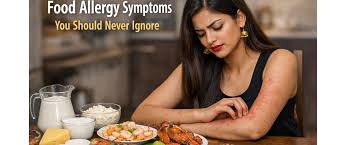
Food is an essential part of everyday life, providing the nutrients our bodies need to function properly. However, for some people, eating certain foods can trigger an unexpected and potentially dangerous immune system reaction. A meal that seems harmless to one person may cause another person to develop itching, swelling, breathing difficulties, or even a life-threatening emergency.
Food allergies affect children and adults, and reactions can range from mild discomfort to severe symptoms that require immediate medical attention. Unfortunately, some people mistake food allergy symptoms for indigestion, food intolerance, or an ordinary skin problem, delaying the care they need.
Understanding the warning signs of food allergies can help you recognize a possible reaction, avoid dangerous triggers, and know when to seek medical assistance.
Here is what you should know about food allergies and the symptoms you should never overlook.
1. What Exactly Is a Food Allergy?
A food allergy occurs when the immune system mistakenly identifies a particular food protein as harmful. In response, the body may release chemicals, including histamine, that trigger allergic symptoms.
Even a small amount of the triggering food can cause a reaction in some people. The severity can vary, and a previous mild reaction does not guarantee that a future reaction will also be mild.
Common food allergens include:
- Milk
- Eggs
- Peanuts
- Tree nuts, such as cashews and walnuts
- Fish
- Shellfish, including shrimp and crab
- Wheat
- Soybeans
- Sesame
Other foods can also cause allergies, and the foods most commonly responsible vary across regions and populations.
It is important to distinguish a food allergy from a food intolerance. An intolerance, such as lactose intolerance, generally involves difficulty digesting a food component rather than an immune system reaction. It may cause bloating, gas, or diarrhea but does not typically cause the immune-mediated reactions associated with food allergies.
Because symptoms can overlap, a healthcare professional can help determine the likely cause.
2. Itchy Skin, Hives, and Unexpected Rashes
One of the most recognizable signs of a food allergy is a skin reaction.
After eating a triggering food, a person may develop raised, itchy bumps known as hives. These bumps can appear on the face, arms, legs, stomach, or other parts of the body. They may change shape, disappear in one area, and appear elsewhere.
Other possible skin symptoms include redness, itching, and swelling. Some people may also experience worsening eczema, although eczema alone does not necessarily indicate a food allergy.
These symptoms may develop within minutes to a few hours after eating the food, depending on the type of reaction.
However, not every rash is caused by an allergy. Infections, medications, skin conditions, and other factors can produce similar symptoms.
If a rash repeatedly appears after eating a particular food, record what was eaten, when symptoms started, and how long they lasted. Discuss the pattern with a healthcare professional rather than attempting to diagnose the allergy yourself.
Important: Hives accompanied by breathing problems, throat swelling, faintness, or repeated vomiting may indicate a severe allergic reaction and require emergency care.
3. Swelling of the Lips, Tongue, or Face
Unexpected swelling after eating can be another important warning sign of a food allergy.
Some people develop swelling of the lips, eyelids, face, or tongue. This is sometimes called angioedema and may occur alongside hives or itching.
Although swelling limited to the lips or face can sometimes be mild, it should never be ignored when it occurs after a suspected allergen exposure.
Swelling of the tongue or throat is especially concerning because it can interfere with breathing or swallowing.
Warning signs include:
- A rapidly swelling tongue or throat
- Difficulty swallowing
- A feeling that the throat is closing
- A hoarse or suddenly altered voice
- Trouble breathing
These symptoms may signal anaphylaxis, a severe allergic reaction that can progress quickly.
If you suspect a severe reaction, seek emergency medical help immediately. If the person has a prescribed epinephrine auto-injector, use it according to their emergency action plan. Do not wait to see whether symptoms improve, and do not rely on antihistamines to treat a severe reaction.
4. Digestive Problems That Occur After Eating
Food allergies can affect the digestive system, sometimes causing symptoms that people mistakenly attribute to ordinary stomach problems.
Possible symptoms include:
- Nausea
- Vomiting
- Abdominal pain or cramping
- Diarrhea
- Digestive discomfort that repeatedly follows exposure to a particular food
These symptoms may develop alongside skin or breathing symptoms, but digestive symptoms can also occur on their own in some food allergy conditions.
Timing and patterns can provide useful clues. For example, if similar symptoms repeatedly occur after eating the same food, an allergy may be one possible explanation.
Nevertheless, digestive symptoms are not proof of an allergy. Foodborne infections, intolerances, digestive disorders, and other conditions can cause similar problems.
Certain food allergy reactions, particularly those involving repeated vomiting and marked lethargy in infants or young children, can become serious even without hives. Such symptoms need prompt medical assessment.
If symptoms are severe, persistent, or associated with dehydration, seek medical care. Recurrent symptoms after particular foods should be evaluated rather than managed through guesswork.
5. Coughing, Wheezing, and Breathing Difficulties
Respiratory symptoms are among the most concerning possible signs of a food allergy.
A person experiencing an allergic reaction may develop coughing, wheezing, shortness of breath, chest tightness, or noisy breathing. Some people may also experience nasal congestion or sneezing.
Mild nasal symptoms alone can have many causes, but breathing difficulties following food exposure can indicate a serious reaction.
Pay particular attention when respiratory symptoms occur alongside hives, facial swelling, vomiting, dizziness, or a sudden feeling of weakness.
A severe allergic reaction can affect several body systems at once. However, anaphylaxis does not always produce every symptom, and a person does not need to have a rash for the reaction to be dangerous.
Never wait for a person to develop multiple symptoms before seeking emergency help if they are struggling to breathe after eating a suspected allergen.
If a person has prescribed epinephrine, administer it promptly according to their emergency instructions and contact emergency services. They may need additional treatment even if they initially feel better.
6. Dizziness, Fainting, and Sudden Weakness
Food allergies can sometimes affect blood circulation, causing a dangerous drop in blood pressure.
Possible warning signs include dizziness, sudden weakness, confusion, fainting, or a feeling that the person may collapse. These symptoms can occur during anaphylaxis, particularly when accompanied by other signs of an allergic reaction.
For example, someone may eat a triggering food and then develop hives, difficulty breathing, and lightheadedness. This combination should be treated as a medical emergency.
However, dizziness alone does not establish that someone has a food allergy. Dehydration, low blood sugar, medication effects, and other medical conditions can cause similar symptoms.
The important factor is the timing and the overall pattern, particularly when symptoms begin soon after eating a suspected allergen.
If an allergic reaction is suspected and the person becomes faint or collapses, call emergency services and follow their emergency action plan. If they have a prescribed epinephrine auto-injector, use it as directed.
Do not allow someone with suspected anaphylaxis to stand or walk around. Follow emergency dispatcher instructions about positioning, especially if breathing is difficult or the person is unconscious.
7. Symptoms May Appear Quickly—or Sometimes Later
Many food allergy reactions begin within minutes to two hours after exposure. However, the timing depends on the specific allergy and the type of immune response involved.
Some reactions occur almost immediately, while others develop more gradually.
Certain conditions, including food protein-induced enterocolitis syndrome (FPIES), can cause delayed, repetitive vomiting, often a few hours after eating a trigger food. This condition is particularly important to recognize in infants and young children and requires medical assessment.
Because reactions do not always happen immediately, it can be helpful to keep a record of meals and symptoms when a healthcare professional is investigating a suspected allergy.
Include the food eaten, approximate amount, time of exposure, symptoms, and when they began. Take note of any other possible factors, such as exercise or medication, if relevant.
Do not deliberately eat a suspected allergen again to test whether it causes a reaction. A future reaction could be more severe, and any food challenge should be performed only under appropriate medical supervision.
8. Who Is More Likely to Develop Food Allergies?
Food allergies can develop at any age, although they are particularly common in childhood.
Some children outgrow certain allergies, such as many milk or egg allergies, while others persist into adulthood. Peanut, tree nut, fish, and shellfish allergies, for example, often persist, although individual outcomes vary.
Having a close family member with allergies, asthma, or eczema may increase the likelihood of allergic conditions, but it does not mean a person will necessarily develop a food allergy.
People who already have one food allergy may also be allergic to another food, although this is not inevitable.
A history of asthma is especially important when assessing the risk associated with allergic reactions. Poorly controlled asthma can complicate a severe allergic reaction and should be discussed with a healthcare professional.
Anyone with a suspected food allergy should receive an individualized assessment. Avoiding large groups of foods without medical guidance can unnecessarily restrict nutrition, particularly in growing children.
9. How Are Food Allergies Diagnosed?
Identifying a food allergy involves more than noticing that a person felt unwell after eating.
A healthcare professional will usually ask about the suspected food, the amount consumed, the timing of symptoms, previous reactions, and relevant medical history.
Depending on the situation, evaluation may include:
Skin-prick testing: Small amounts of allergen extracts are placed on the skin to assess whether an allergic response occurs.
Specific IgE blood testing: This measures antibodies associated with particular allergens.
Supervised oral food challenge: When appropriate, a specialist may ask the person to consume carefully measured amounts of a suspected food under medical supervision.
Skin and blood tests can help support a diagnosis, but a positive result does not always mean a person experiences symptoms when eating that food. Test results must be interpreted alongside the medical history.
Do not attempt an oral food challenge at home if an allergy is suspected.
Unvalidated food sensitivity tests and broad elimination diets can produce misleading conclusions. A qualified healthcare professional can help avoid unnecessary restrictions and identify an appropriate plan.
10. How to Prevent Reactions and Stay Safe
If you have a confirmed food allergy, prevention is an important part of daily life.
Start by identifying the foods that trigger reactions and learning how to avoid them. Read ingredient labels carefully and check them every time, because ingredients and manufacturing processes can change.
When eating at restaurants, explain the allergy clearly and ask about ingredients, preparation methods, and possible cross-contact. Cross-contact occurs when an allergen is unintentionally transferred to another food through shared equipment, utensils, cooking surfaces, or other contact.
Other useful precautions include:
- Keep prescribed emergency medication accessible and check its expiry date.
- Follow a written allergy action plan provided by your healthcare professional.
- Teach family members, caregivers, teachers, or coworkers how to recognize a reaction and respond.
- Wear medical identification if recommended or useful for your situation.
- Consult a dietitian if avoiding a food group makes it difficult to maintain a balanced diet.
If anaphylaxis is suspected, use prescribed epinephrine promptly and call emergency services. Antihistamines may help certain mild symptoms but cannot replace epinephrine for anaphylaxis.
People who have experienced a serious reaction should discuss specialist follow-up and an emergency plan with their healthcare provider.
Final Thoughts
Food allergies can affect the skin, digestive system, respiratory system, and circulation. Symptoms may include hives, facial swelling, vomiting, coughing, wheezing, dizziness, and, in severe cases, anaphylaxis.
Recognizing these warning signs is essential because serious reactions can develop rapidly and may become life-threatening. At the same time, not every symptom that follows a meal is caused by an allergy, making professional assessment important for an accurate diagnosis.
If you suspect a food allergy, seek medical advice rather than experimenting with elimination diets or deliberately eating the suspected trigger. If breathing difficulties, throat swelling, collapse, or other signs of anaphylaxis occur, seek emergency help immediately and use prescribed epinephrine according to your emergency plan.
The bottom line: Knowing your food allergy triggers, recognizing early warning signs, and having a clear emergency plan can help protect your health and make everyday meals safer.