
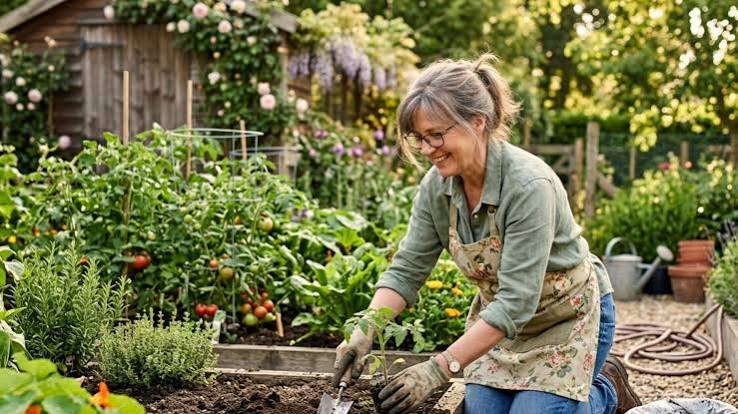
What if one of the simplest ways to support your health involved planting vegetables, watering flowers, or spending a few minutes caring for a small garden?
Gardening is often viewed as a relaxing hobby or a practical way to grow fresh food. However, it can also offer several potential benefits for physical and mental well-being. Digging, planting, weeding, and carrying watering cans involve movement, while spending time around plants can provide opportunities to relax, focus, and connect with nature.
Gardening may also encourage healthier eating habits when you grow your own fruits, herbs, and vegetables. For some people, it creates a sense of purpose and provides a rewarding routine that can be maintained throughout life.
Although gardening is not a substitute for medical treatment or a complete fitness program, research suggests that gardening and other nature-based activities may support aspects of health and quality of life.
So, can gardening really improve your mood, fitness, and long-term well-being? Here is what happens when you make gardening part of your routine.
1. Gardening May Help Reduce Stress and Improve Your Mood
Modern life often involves long hours indoors, demanding schedules, financial pressures, and constant digital distractions. Finding activities that allow you to slow down and focus on something enjoyable can help support emotional well-being.
Gardening provides an opportunity to step away from daily pressures and concentrate on simple, practical tasks. You might focus on preparing the soil, removing weeds, watering seedlings, or watching a plant develop new leaves.
These activities can encourage attention to the present moment. For some people, this creates a calming experience similar to other mindful activities.
Spending time in natural environments has also been associated with lower perceived stress and improvements in mood. Gardening combines exposure to nature with purposeful physical activity, although the specific effects vary between individuals.
For example, someone who spends a stressful morning working at a desk might find that 20 minutes of tending plants provides a welcome mental break.
Gardening will not eliminate every source of stress, and it should not be considered a treatment for depression or anxiety on its own. However, it can become one useful part of a broader approach to managing stress.
If gardening feels enjoyable rather than burdensome, making time for it regularly may provide a simple way to incorporate relaxation into your day.
2. It Can Provide Gentle Physical Exercise
You do not necessarily need a gym membership or expensive equipment to become more physically active. Many gardening tasks involve movement that can contribute to your daily activity levels.
Digging, raking, planting, sweeping, carrying soil, and moving watering cans engage different muscle groups. Depending on the task and how vigorously you work, gardening can raise your heart rate and increase energy expenditure.
Some activities are relatively light, while others can be moderately demanding. Preparing a large vegetable bed, for example, generally requires more effort than watering a few pots on a balcony.
The physical benefits depend on the duration, intensity, frequency, and type of gardening you do.
Gardening can be particularly useful for people who dislike structured exercise because it gives movement a practical purpose. Instead of exercising solely to burn energy, you are preparing a garden, improving your outdoor space, or growing food.
However, gardening does not automatically provide all the benefits of a balanced exercise routine. Adults should still aim for regular aerobic activity and muscle-strengthening exercises in line with appropriate health recommendations.
Think of gardening as one enjoyable way to move more, especially if it helps replace some of the time you would otherwise spend sitting.
3. Gardening Can Help Build Strength, Balance, and Flexibility
Many gardening activities involve bending, reaching, squatting, kneeling, lifting, and standing up repeatedly.
These movements engage muscles in the legs, arms, shoulders, back, and abdomen. Repeating them can help maintain functional movement, particularly when gardening is performed regularly and within your physical capabilities.
For example, planting seedlings at ground level involves bending and reaching, while carrying small containers requires grip strength and coordination.
Gardening may also encourage balance and body awareness as you move around uneven ground or work in different positions. However, uneven surfaces can increase the risk of falls, particularly for older adults or people with mobility difficulties.
To make gardening safer and more comfortable:
- Use raised beds or containers to reduce repeated bending.
- Choose lightweight tools that are easy to grip.
- Alternate between standing, sitting, and kneeling tasks.
- Avoid lifting heavy bags of soil without appropriate assistance.
- Take breaks when muscles become tired.
- Use stable footwear and keep paths clear.
Gardening should not cause persistent or severe pain. If you have arthritis, back problems, balance difficulties, or another medical condition, adapt tasks to your needs and seek professional guidance when appropriate.
With sensible adjustments, gardening can be a practical way to maintain movement and independence as you age.
4. Growing Your Own Food May Encourage Healthier Eating
One of gardening’s most practical benefits is the opportunity to grow fresh produce.
A home garden can provide vegetables, fruits, herbs, and other edible plants that contribute valuable nutrients to your diet. Depending on what you grow, you may have access to foods rich in fiber, vitamins, minerals, and beneficial plant compounds.
Growing food can also change how you think about meals. Someone who has spent weeks nurturing tomatoes, leafy greens, or beans may feel more motivated to include those ingredients in everyday cooking.
Gardening can be especially useful for introducing children to vegetables and helping them understand where food comes from.
You do not need a large farm to enjoy these benefits. A few containers of leafy greens, herbs, tomatoes, or peppers can be enough to get started, depending on your climate and available space.
However, growing your own food does not guarantee a healthier diet. The nutritional value of your meals still depends on the variety of foods you eat and how you prepare them.
If your goal is to improve your eating habits, combine gardening with balanced meals that include vegetables, fruits, whole grains, protein sources, and suitable amounts of healthy fats.
Growing even a small amount of your own produce can be a practical way to make fresh ingredients more accessible and enjoyable.
5. Spending Time Around Plants May Support Mental Well-Being
Gardening requires attention, patience, and observation. You notice whether leaves are changing color, whether the soil is dry, and whether new shoots are appearing.
For some people, this focused attention provides a break from repetitive worries or stressful thoughts.
Caring for living things may also create a sense of responsibility and accomplishment. Watching a seed develop into a healthy plant offers visible evidence that your time and effort have produced something meaningful.
Research into gardening and horticultural activities has found potential benefits for aspects of mood and psychological well-being. However, studies vary in design and quality, so it is not possible to guarantee that gardening will improve mental health for everyone.
People also differ in what they find relaxing. One person may enjoy growing vegetables, while another may prefer flowers, indoor plants, or simply spending time outdoors.
If gardening begins to feel stressful because of difficult growing conditions, high costs, or pressure to maintain a perfect garden, it may lose some of its relaxing qualities.
Keep the activity manageable and choose plants suited to your space, climate, and available time.
The goal is not to create a flawless garden. It is to enjoy an activity that may provide a sense of purpose, engagement, and connection with the natural world.
6. Gardening Can Create Opportunities for Social Connection
Although gardening can be a solitary activity, it can also bring people together.
Families may plant vegetables together, neighbors may exchange seeds, and community gardens can provide opportunities for people to share knowledge and work toward common goals.
These interactions can help build social connections, particularly for people who spend much of their time alone or have limited opportunities to participate in group activities.
Community gardening may involve sharing tools, discussing growing techniques, exchanging produce, and helping one another solve problems.
For older adults, gardening groups can provide opportunities to remain socially engaged while participating in a meaningful activity.
Social connection is associated with several aspects of health and well-being, although gardening itself does not guarantee that someone will develop strong relationships.
If you enjoy meeting new people, consider joining a local gardening group, participating in a community growing project, or sharing extra produce with neighbors.
If you prefer privacy, you can still enjoy gardening independently. The important thing is to choose a form of the activity that fits your personality and circumstances.
7. Gardening May Help You Spend More Time Outdoors
Many people spend a large part of the day indoors, particularly when work, study, and entertainment involve screens.
Gardening provides a reason to go outside and spend time in natural daylight.
Daylight helps regulate the body’s internal clock, which influences the timing of sleep and wakefulness. Getting natural light during the day, particularly in the morning, can support a regular sleep-wake rhythm.
Outdoor activity may also help you break up long periods of sitting and create a more consistent daily routine.
However, sunlight exposure needs to be managed sensibly. Prolonged exposure to ultraviolet radiation increases the risk of skin damage, and excessive heat can contribute to dehydration or heat-related illness.
When gardening in hot or sunny conditions:
- Wear a wide-brimmed hat and suitable protective clothing.
- Use sunscreen on exposed skin.
- Drink water regularly.
- Work during cooler parts of the day when possible.
- Take breaks in the shade.
- Stop and cool down if you feel dizzy, nauseated, or unusually weak.
In warm climates, gardening during the early morning or late afternoon may be more comfortable than working under intense midday sun.
You can enjoy the benefits of outdoor activity without spending hours in direct sunlight.
8. Gardening May Support Healthy Aging
Maintaining physical activity, social connections, and a sense of purpose becomes increasingly important as people grow older.
Gardening can combine several of these elements in one activity. It encourages movement, requires planning and attention, and can provide opportunities to connect with others.
Some gardening tasks help maintain the everyday skills needed for independent living, such as bending, reaching, carrying light objects, and moving between different positions.
Gardening may also provide a meaningful routine for retired adults or people looking for a productive way to spend their free time.
Research on gardening among older adults has reported potential benefits for physical function and aspects of psychological well-being, but results vary, and gardening alone cannot prevent age-related disease or disability.
Safety and accessibility are especially important. Raised beds, ergonomic tools, stable paths, comfortable seating, and lighter containers can make gardening easier for people with limited mobility.
It is also wise to avoid prolonged kneeling, heavy lifting, and repetitive movements that aggravate existing joint or back problems.
When adapted to individual abilities, gardening can be a rewarding way to stay engaged with daily life and maintain enjoyable routines as you age.
9. Caring for Plants Can Teach Patience and Consistency
Gardening rarely produces immediate results. Seeds need time to germinate, seedlings require care, and many plants grow gradually before producing flowers or food.
This process encourages patience and regular attention.
You may need to water plants consistently, monitor their condition, adjust their location, and respond to changing weather. These repeated tasks can help establish a routine and provide a reason to return to an activity each day.
Gardening can also teach flexibility. Plants sometimes fail to grow as expected because of pests, unsuitable soil, lack of water, or weather conditions.
Learning to adapt rather than expecting perfect results can make the experience more satisfying.
For some people, these qualities make gardening an appealing hobby during periods when other activities feel overwhelming or unstructured.
However, gardening is not a guaranteed way to develop particular psychological traits. Its value depends on how you experience the activity and whether it fits your interests.
Start with a few easy-to-care-for plants rather than taking on more work than you can comfortably manage.
Small successes can provide encouragement while allowing you to learn at your own pace.
10. Gardening Can Be Affordable and Adaptable to Different Living Spaces
A common misconception is that gardening requires a large yard, expensive equipment, or substantial financial resources.
In reality, gardening can be adapted to a wide range of living arrangements.
If you have a yard, you might create a small vegetable patch or plant flowers along a pathway. If you live in an apartment, containers on a suitable balcony or a sunny windowsill may provide enough space for herbs or selected small plants.
You can begin with basic supplies such as reusable containers with drainage holes, suitable growing medium, seeds, and access to water.
Some plants can be propagated from cuttings, and certain containers can be reused safely. Community gardens may also provide access to shared growing spaces and tools.
Before planting, consider how much sunlight your space receives, how often you can water the plants, and which varieties grow well in your local conditions.
Avoid collecting soil from potentially contaminated locations, especially when growing edible plants. Use clean containers and suitable growing media, and follow safe practices when applying fertilizers or pest-control products.
If your main goal is physical activity or stress relief, ornamental plants can be just as suitable as edible crops. You do not need to grow food to enjoy gardening.
The best garden is one that suits your space, resources, and lifestyle.
11. How to Start Gardening for Better Well-Being
If you are new to gardening, you do not need to transform your entire outdoor space at once. Starting small can help you build a routine without making the activity feel like another responsibility.
Here are practical ways to begin:
Choose a manageable project. Start with a few containers, a small flower bed, or a handful of herbs rather than a large garden.
Select suitable plants. Consider your climate, available sunlight, water supply, and experience. Plants that thrive in your conditions generally require less effort.
Create a regular routine. Set aside a short period several times a week for watering, planting, or checking plant health. Adjust the schedule to your needs and local weather.
Combine tasks with gentle movement. Alternate between watering, light digging, pruning, and walking around your garden, taking breaks when needed.
Protect your body. Wear gloves when appropriate, use tools safely, avoid excessive lifting, and protect yourself from the sun.
Make the experience enjoyable. Listen to music if you like, involve family members, or use gardening as a break from screens and daily responsibilities.
Notice your progress. Pay attention to new leaves, flowers, improved plant health, or the first harvest rather than expecting immediate perfection.
You can also keep a simple record of how much time you spend gardening and how you feel afterward. This may help you discover which activities you enjoy most and whether gardening fits comfortably into your lifestyle.
Remember that consistency matters more than having an impressive garden. Even brief sessions can be worthwhile if they encourage regular movement and provide an enjoyable break.
Final Thoughts
Gardening can be much more than a hobby. It offers opportunities to move your body, spend time outdoors, grow nutritious foods, connect with other people, and engage in an activity that provides a sense of accomplishment.
These experiences may support mood, physical activity, and quality of life. However, the benefits vary from person to person, and gardening should complement rather than replace appropriate exercise, medical care, and other healthy habits.
You do not need a large yard, expensive tools, or extensive experience to begin. A few containers, some suitable plants, and a little regular attention may be enough to discover whether gardening works for you.
Start at a comfortable pace, choose tasks that match your abilities, and take sensible precautions against heat, sun exposure, injuries, and gardening chemicals.
The key takeaway: Gardening can be a simple, enjoyable way to bring more movement, nature, and purpose into everyday life. Whether you grow vegetables in a backyard or care for a few plants on a balcony, small gardening habits may contribute to your long-term well-being.