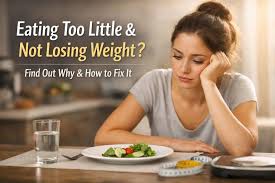

Losing weight is a common goal for people who want to improve their health, feel more confident, or reduce the risk of certain medical conditions. However, the desire to see quick results can sometimes lead to extreme dieting practices that do more harm than good. Severely restricting calories, skipping meals regularly, eliminating entire food groups, or following unbalanced eating plans may affect the body in ways that are not immediately obvious.
Although some diets promise dramatic transformations in a short period, rapid weight loss does not always mean better health. The body needs sufficient energy, protein, fats, vitamins, minerals, and other nutrients to maintain its essential functions. When these needs are consistently unmet, physical and psychological problems can develop.
Understanding the risks of extreme dieting can help you make informed decisions about food, weight management, and long-term well-being. Here is what happens when dieting goes too far—and how to approach eating more safely.
1. What Is Extreme Dieting?
Extreme dieting involves eating in a way that severely restricts energy intake or excludes important nutrients without an appropriate medical reason or adequate professional supervision.
Common examples include:
- Eating far fewer calories than the body needs for everyday activities.
- Skipping meals repeatedly to accelerate weight loss.
- Fasting for prolonged periods without considering individual health needs.
- Eliminating entire food groups without suitable nutritional replacements.
- Using detox teas, laxatives, or unprescribed weight-loss products to change body weight.
- Exercising excessively while eating too little to support recovery.
- Following rigid food rules that create fear, guilt, or anxiety around eating.
Not every calorie-controlled diet or fasting schedule is automatically dangerous. Some eating plans may be appropriate for certain adults under suitable circumstances. The concern arises when restriction becomes excessive, nutritional needs are neglected, or the approach causes physical or emotional harm.
A diet that works for one person may also be unsuitable for someone else because nutritional requirements vary with age, activity level, pregnancy, medical conditions, and other individual factors.
2. Extreme Dieting Can Lead to Nutritional Deficiencies
One of the most significant risks of restrictive eating is inadequate nutrient intake.
The body requires a variety of nutrients to support the immune system, produce blood cells, maintain bones, repair tissues, and regulate countless biological processes. When food intake becomes too limited or lacks variety, these functions may be affected.
For example, inadequate iron intake can contribute to iron-deficiency anemia, which may cause fatigue, weakness, dizziness, and shortness of breath. Insufficient calcium and vitamin D can affect bone health, while inadequate vitamin B12 can interfere with normal nerve function and red blood cell production.
Not getting enough protein may also make it harder for the body to repair tissues and maintain muscle.
Some deficiencies develop gradually, meaning a person may not notice a problem until symptoms become more pronounced. Others may occur more quickly depending on the nutrient, the degree of restriction, and the person’s existing nutritional status.
How to eat more safely: Aim for a varied diet that includes vegetables, fruits, whole grains, protein-rich foods, and sources of healthy fats. Depending on your dietary pattern and needs, useful options may include beans, lentils, eggs, fish, dairy products or fortified alternatives, nuts, seeds, and lean meats.
3. Your Muscles May Become Weaker
When the body consistently receives less energy than it needs, it adapts to the shortage. If the deficit is substantial or prolonged, the body may break down muscle tissue to help meet its needs.
This can happen during rapid weight loss, especially when food intake is severely restricted and protein intake is inadequate. Excessive exercise without sufficient food and recovery can increase the problem.
Losing muscle may reduce strength, physical performance, and the ability to carry out everyday activities. It can also make weight management more difficult because muscle contributes to the energy the body uses at rest.
Muscle loss can be particularly concerning for older adults, people who are already underweight, and individuals recovering from illness.
How to eat more safely: Include adequate protein throughout the day and eat enough overall to support your activity level. Strength-building exercises can help preserve muscle when appropriate, but they should be paired with adequate nutrition and recovery. If you feel unusually weak or struggle to complete ordinary activities, reconsider restrictive eating and seek medical advice.
4. Extreme Dieting Can Affect Your Hormones
Hormones help regulate appetite, reproduction, metabolism, stress responses, and many other body functions. Prolonged under-eating can interfere with some of these processes.
For example, people who do not consume enough energy to meet their needs may experience changes in reproductive hormones. Menstrual periods may become irregular or stop, while some men may experience reduced testosterone levels.
Low energy availability can also affect hormones involved in appetite and metabolism. The body may respond to food scarcity by increasing hunger, reducing energy expenditure, or changing how strongly it signals the need to eat.
These responses are not signs of personal failure. They are biological adaptations that can make continued restriction increasingly difficult.
In some people, prolonged undernutrition can also contribute to thyroid-related changes and reduced bone formation.
How to eat more safely: Avoid treating persistent hunger, missed periods, reduced libido, or unexplained changes in energy as problems to overcome through greater discipline. These symptoms deserve attention, particularly when they occur alongside weight loss or restrictive eating. A healthcare professional can help determine whether inadequate nutrition or another condition is responsible.
5. Your Energy Levels and Concentration May Decline
Food supplies the energy needed for movement, thinking, temperature regulation, and the basic functions that keep the body alive.
When intake is insufficient, some people experience persistent tiredness, headaches, dizziness, irritability, or difficulty concentrating. Everyday tasks may begin to feel more demanding, and exercise performance may decline.
Inadequate carbohydrate intake can also reduce the body’s readily available energy for certain activities, although the effects depend on the overall diet and the person’s needs. Insufficient fluids or imbalances in electrolytes can create additional problems, particularly with prolonged fasting, vomiting, laxative misuse, or excessive sweating.
A person may initially feel motivated by visible weight changes, only to find that their energy, productivity, and quality of life gradually deteriorate.
How to eat more safely: Eat regularly enough to support your daily routine, and include foods that provide sustained energy, such as oats, whole-grain bread, rice, potatoes, beans, and fruit. Combine carbohydrate sources with protein and fats to create balanced meals. Drink fluids regularly and seek medical advice if dizziness, faintness, or severe fatigue persists.
6. Your Bones May Become More Vulnerable
Bone health depends on more than calcium alone. The body also needs adequate energy, protein, vitamin D, and normal hormonal function to build and maintain strong bones.
Severe or prolonged dietary restriction can interfere with these processes. When energy intake is too low, reproductive hormones may decline, and bone formation can be affected. Over time, this may contribute to reduced bone density and a greater risk of stress injuries or fractures.
This risk can be especially important for adolescents and young adults, whose bones may still be developing, as well as for people who experience prolonged menstrual disruption or have other risk factors for osteoporosis.
Bone changes may not produce obvious symptoms at first, so a person can develop problems without realizing that their eating habits are contributing.
How to eat more safely: Include calcium-rich foods, such as milk, yogurt, calcium-fortified alternatives, or suitable calcium-rich foods such as certain leafy greens. Get vitamin D from appropriate food sources, fortified products, or supplements when recommended. Most importantly, avoid prolonged under-eating and seek medical guidance if restrictive dieting is accompanied by missed periods, recurrent stress injuries, or unexplained bone pain.
7. Extreme Dieting Can Harm Your Relationship With Food
The effects of extreme dieting are not limited to the physical body. Restrictive eating can also influence emotions, social activities, and the way a person thinks about food.
Strict food rules may cause people to label foods as completely good or bad. Eating something outside the plan may then trigger guilt, shame, or anxiety. Some people respond by restricting even more, exercising to compensate for eating, or avoiding meals with family and friends.
This pattern can contribute to disordered eating and, in some cases, an eating disorder. Eating disorders are serious health conditions that can affect people of any body size, age, or gender.
Warning signs include persistent fear of weight gain, obsessive calorie tracking, frequent bingeing after periods of restriction, hiding eating habits, or allowing food and weight concerns to dominate daily life.
How to eat more safely: Allow flexibility in your eating pattern rather than relying on rigid rules. Remember that enjoying a favorite food does not make your overall diet unhealthy. If food anxiety or restrictive behavior is affecting your life, consider speaking with a qualified healthcare professional or registered dietitian experienced in eating disorders.
8. Your Digestion May Become Uncomfortable
A major reduction in food intake can change bowel habits and digestive comfort.
Constipation is common when people eat too little overall or consume insufficient fiber. It may also occur when someone removes whole grains, fruits, vegetables, or legumes from their diet without replacing them with suitable alternatives.
Some people experience bloating or abdominal discomfort when they abruptly change their eating pattern. Others may feel unusually full after eating because their normal meal routine has changed.
Severe restriction can also make it harder to meet fluid requirements, which may worsen constipation. Meanwhile, frequent use of laxatives for weight control can cause dehydration and electrolyte disturbances.
How to eat more safely: Increase fiber gradually through foods such as beans, vegetables, fruit, oats, and whole grains. Drink adequate fluids and maintain regular meals when possible. Avoid using laxatives or detox products to control weight. Persistent abdominal pain, vomiting, blood in the stool, or major changes in bowel habits should be assessed by a healthcare professional.
9. Rapid Weight Loss Does Not Always Mean Fat Loss
A dramatic change on the scale can be misleading.
During the early stages of a restrictive diet, weight may fall partly because the body uses stored glycogen, a form of carbohydrate storage that is associated with water. Changes in fluid balance and the amount of food in the digestive system can also influence scale readings.
With continued severe restriction, the body may lose both fat and lean tissue, including muscle. The proportion varies according to factors such as the size of the energy deficit, protein intake, activity, and starting body composition.
Rapid weight loss can also increase the risk of gallstones in some people, particularly when weight loss is substantial or occurs quickly.
Furthermore, restrictive diets may be difficult to maintain. When a person returns to their previous eating pattern, weight regain can occur. This does not mean the person lacks willpower; hunger, biological adaptations, and the difficulty of sustaining severe restriction can all play a role.
How to eat more safely: Focus on sustainable habits and overall health rather than chasing rapid changes in body weight. If weight loss is medically appropriate, a clinician or registered dietitian can help establish a realistic plan that protects nutritional status and muscle. People with unexplained weight loss should seek medical evaluation rather than assuming dieting is the answer.
10. Certain People Face Greater Risks From Restrictive Diets
Extreme dieting can be harmful to anyone, but some groups may be especially vulnerable to its effects.
These include:
- Children and teenagers: They need sufficient energy and nutrients for growth, development, and bone formation.
- Pregnant or breastfeeding people: Nutritional requirements may be increased, and restrictive dieting can interfere with meeting those needs.
- Older adults: Inadequate intake can accelerate muscle loss, weakness, and nutritional deficiencies.
- People with diabetes: Major changes in food intake can affect blood glucose and medication requirements, potentially causing dangerous low or high blood sugar.
- People with chronic medical conditions: Kidney, liver, digestive, and other conditions may require individualized nutrition advice.
- People with a history of eating disorders: Restrictive rules can trigger or worsen harmful eating patterns.
Athletes and people who exercise intensely may also be at risk if they burn more energy than they consume over an extended period.
If you belong to one of these groups, consult a qualified healthcare professional before starting a restrictive diet, prolonged fast, or major change in food intake.
11. Practical Ways to Eat More Safely
A healthier eating approach does not require perfection, expensive specialty foods, or strict avoidance of every favorite meal. It involves meeting your nutritional needs consistently while choosing habits that you can maintain.
Consider these practical strategies:
Build balanced meals. Include a source of protein, a carbohydrate-rich food, vegetables or fruit, and some healthy fat. The proportions can vary according to your needs, culture, preferences, and medical circumstances.
Avoid skipping meals to compensate for eating. If you have eaten more than planned, return to your normal eating pattern rather than punishing yourself with fasting or excessive exercise.
Choose affordable, nutrient-rich foods. Beans, lentils, eggs, seasonal produce, whole grains, groundnuts, seeds, and suitable fish or dairy products can contribute important nutrients without requiring expensive diet products.
Pay attention to hunger and fullness. These signals can help guide eating, although they may be less reliable during stress, illness, or prolonged restriction. People recovering from an eating disorder may need structured support.
Stay physically active without overdoing it. Walking, strength training, cycling, and other activities can support health, but exercise should not be used to compensate for food intake. Allow adequate rest and recovery.
Be cautious with weight-loss products. Detox teas, laxatives, unregulated supplements, and unprescribed medications may cause harm and should not be used as substitutes for sustainable nutrition.
Seek professional support when needed. A registered dietitian or qualified healthcare professional can help you develop a plan that fits your health needs, budget, food preferences, and goals.
The safest eating pattern is one that supports your body rather than continually forcing it to operate without enough fuel.
12. When Should You Seek Medical Help?
Certain symptoms may indicate that dieting or inadequate nutrition is affecting your health.
Seek prompt medical advice if you experience persistent weakness, unexplained or rapid weight loss, repeated dizziness, menstrual periods that stop, worsening exercise performance, or ongoing digestive problems while restricting food.
Fainting, chest pain, an irregular or racing heartbeat, confusion, severe dehydration, or profound weakness may require urgent medical assessment. If these symptoms are severe or happening now, seek emergency care.
People who have eaten very little for a prolonged period or have experienced substantial weight loss should speak with a healthcare professional before making a sudden, major increase in food intake. In cases of severe undernutrition, reintroducing nutrition may require medical monitoring because of the risk of refeeding syndrome, a potentially dangerous shift in fluids and electrolytes.
There is no need to wait until symptoms become severe before asking for help. Early support can make it easier to address nutritional problems and develop a safer eating plan.
Final Thoughts
Extreme dieting may appear to offer a quick route to weight loss, but the consequences can extend far beyond the number on a scale. Inadequate nutrition can contribute to muscle loss, hormonal changes, weaker bones, digestive problems, fatigue, nutrient deficiencies, and an unhealthy relationship with food.
A more sustainable approach emphasizes balanced meals, adequate energy, varied nutrient sources, enjoyable physical activity, and realistic goals. Progress does not have to involve constant hunger, exhaustion, or fear of eating.
It is also important to recognize that body weight alone does not determine a person’s health. Sleep, stress, physical activity, medical conditions, genetics, and access to nutritious food all influence well-being.
The most important takeaway is this: eating well should help your body function, recover, and thrive—not leave you exhausted, undernourished, or afraid of food. If you are considering significant weight loss or already experiencing symptoms of under-eating, seek individualized guidance from a qualified healthcare professional.