
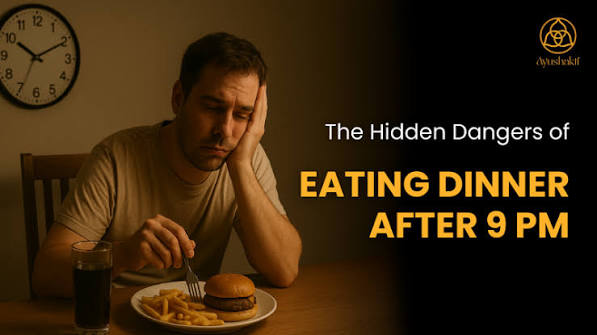
Dinner is an important part of a healthy daily routine, but the time you eat may matter more than you think. In today’s busy world, many people eat dinner late because of work, family responsibilities, long commutes, or irregular schedules. While an occasional late meal is usually not a major concern, regularly eating close to bedtime may affect digestion, sleep quality, blood sugar levels, and overall health.
Understanding how meal timing influences the body can help you make better dietary choices and develop healthier eating habits.
1. How Late-Night Eating Affects Digestion
Your digestive system needs time to process food before you lie down to sleep. Eating a large meal shortly before bedtime can make digestion less comfortable, particularly for people who are prone to heartburn or acid reflux.
When you lie down with a full stomach, stomach contents can more easily flow back into the esophagus, causing a burning sensation in the chest or throat.
To reduce discomfort:
- Avoid lying down immediately after dinner.
- Consider eating smaller evening meals.
- Limit foods that trigger heartburn, especially spicy, fatty, or acidic foods if they affect you.
- Allow approximately two to three hours between a substantial meal and bedtime when practical.
These habits may help improve comfort and reduce nighttime reflux symptoms.
2. The Connection Between Late Dinner and Sleep Quality
Eating too late can interfere with comfortable sleep, especially when the meal is heavy or causes indigestion. Some people may experience bloating, heartburn, or discomfort that makes it harder to fall asleep or remain asleep.
Sleep is essential for physical recovery, memory, concentration, and emotional well-being. Poor sleep over time can affect daily productivity and overall health.
For better rest, try to establish a consistent dinner schedule and avoid large meals immediately before going to bed. If you feel hungry later in the evening, a small, balanced snack may be more comfortable than a heavy meal.
3. Blood Sugar Levels and Metabolic Health
The body processes nutrients according to several factors, including the time of day, physical activity, and individual metabolism. Research suggests that eating late at night may lead to less favorable blood sugar responses in some circumstances compared with eating earlier.
This is particularly relevant for people with diabetes or those at increased risk of developing metabolic conditions.
Late-night eating may also become a concern when it involves frequent sugary drinks, highly processed snacks, or oversized meals that contribute to excessive calorie intake.
However, meal timing is only one part of metabolic health. Food quality, portion sizes, exercise, sleep, and overall eating patterns also play important roles.
People managing diabetes should discuss meal timing and medication schedules with a qualified healthcare professional.
4. Can Eating Dinner Late Cause Weight Gain?
Eating dinner late does not automatically cause weight gain. Body weight is influenced by total calorie intake, energy expenditure, food choices, sleep, and other individual factors.
Nevertheless, regularly eating late may make weight management more difficult for some people. Late meals can coincide with mindless snacking, larger portions, or eating in response to tiredness and stress rather than hunger.
Some research also suggests that the body may respond differently to the same meal depending on when it is consumed.
A practical approach is to focus on balanced meals, appropriate portions, and a routine that helps you avoid unnecessary nighttime snacking.
5. The Importance of Your Body Clock
The human body follows a natural internal timing system known as the circadian rhythm. This system helps regulate sleep, hormone activity, digestion, and metabolism throughout the day.
Eating at times that conflict with your usual sleep-wake schedule may affect some of these processes. This is one reason why people who work night shifts or maintain irregular schedules may face additional challenges with meal planning.
Although researchers continue to investigate the long-term effects of meal timing, maintaining a reasonably consistent eating schedule is a useful habit for many people.
The goal is not to follow one perfect dinner time but to develop a routine that fits your lifestyle and supports adequate sleep.
6. How to Build Healthier Dinner Habits
Improving your evening routine does not require drastic lifestyle changes. Small, consistent adjustments can make a difference.
Consider these practical tips:
- Plan ahead: Prepare dinner ingredients earlier to avoid eating very late.
- Choose balanced meals: Include vegetables, whole grains, protein, and healthy fats in appropriate portions.
- Watch portion sizes: Very large meals may increase discomfort before bed.
- Reduce late-night snacking: Distinguish genuine hunger from boredom or stress.
- Stay consistent: Aim for regular meal and sleep schedules when possible.
- Listen to your body: Notice whether particular foods or eating times affect your digestion and sleep.
Remember that eating a nutritious dinner late is generally preferable to skipping meals when you are genuinely hungry. Your schedule, health needs, and overall dietary pattern matter.
Final Thoughts
Eating dinner too late may have hidden effects on digestion, sleep, blood sugar regulation, and weight management, particularly when late meals are frequent, large, or followed immediately by bedtime.
However, dinner timing is not the only factor that determines health. What you eat, how much you eat, how active you are, and how well you sleep all contribute to your overall well-being.
By choosing balanced meals, maintaining a consistent routine, and allowing time to digest before sleeping, you can develop habits that support better health over the long term.
The key takeaway is simple: Healthy eating is not just about what is on your plate. It is also about building a meal schedule that works with your body and your daily life.