A falling tree can cause significant damage to a home, vehicle, fence, or other property. Heavy rain, strong winds, lightning, soil erosion, and weakened roots can cause trees to fall unexpectedly, leaving property owners with expensive repairs and difficult insurance questions.
If a tree falls on your roof during a storm or crashes into your parked car, you may wonder whether your insurance will cover the damage. The answer depends on the type of policy you have, the circumstances of the incident, and any exclusions that apply.
Understanding how insurers handle falling-tree damage can help you prepare for unexpected events and know what steps to take if your property is affected.
1. Does Home Insurance Cover Damage Caused by Falling Trees?
Home insurance may cover damage caused by a falling tree, particularly when the tree falls because of a covered event such as a storm or lightning strike.
For example, if strong winds cause a tree to fall onto your house and damage the roof, your policy may cover eligible repair costs.
However, coverage depends on the policy wording. Some policies cover falling trees under specified circumstances, while others impose exclusions or conditions.
Your insurer may also distinguish between damage to the building itself and the cost of removing the fallen tree.
Before assuming that the entire loss will be covered, check your policy’s provisions for storm damage, falling objects, debris removal, deductibles, and coverage limits.
2. What If a Tree Falls on Your Car?
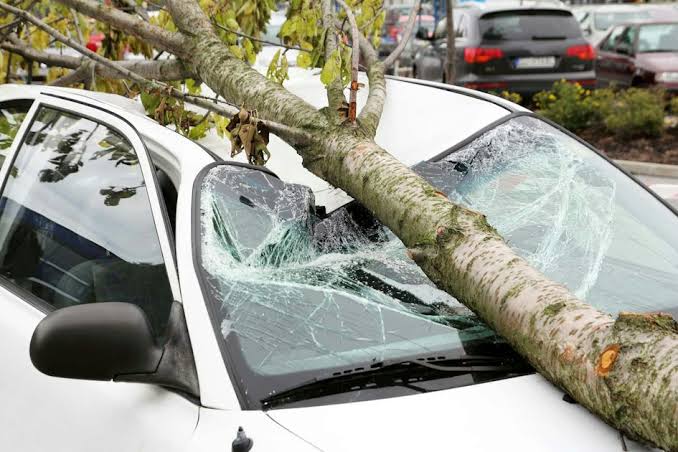
Damage to a vehicle caused by a falling tree is usually handled under the vehicle’s insurance coverage rather than the homeowner’s policy.
Comprehensive motor insurance often covers damage caused by falling objects, including trees, subject to the policy terms and exclusions.
For example, if a branch falls onto your parked car during a storm and breaks the windscreen or damages the roof, comprehensive coverage may pay for eligible repairs after any applicable deductible.
However, third-party-only motor insurance generally covers liability for injury or damage caused to other people and their property, rather than damage to your own vehicle.
If you have basic motor coverage, do not assume that your insurer will pay for repairs to your car. Review your policy or contact the insurer to confirm the protection available.
3. What If a Neighbour’s Tree Falls on Your Property?
A tree falling from a neighbouring property can create uncertainty about who is financially responsible for the damage.
The fact that the tree belonged to your neighbour does not automatically mean the neighbour must pay for the loss.
Responsibility may depend on the cause of the fall, whether the tree was visibly dangerous, whether the owner knew or should have known about the risk, and the laws that apply.
For example, if a healthy tree falls during an unusually severe storm, the neighbour may not necessarily be legally responsible.
However, if a visibly diseased or unstable tree had been neglected despite warnings, there may be grounds to investigate whether the owner was negligent.
Your own property insurance may cover the damage regardless of who owned the tree, depending on your policy. Your insurer may then pursue recovery from a legally responsible party where appropriate.
Document the damage and speak with your insurer before assuming that the neighbour must pay.
4. Does Insurance Cover a Tree Falling Because of Neglect?
Damage caused by poor maintenance can be more complicated than damage caused by a sudden storm.
If a tree falls because its roots have deteriorated, it has become diseased, or it was visibly unstable, the insurer may examine whether neglect contributed to the incident.
Some policies exclude certain losses arising from preventable deterioration or lack of maintenance. Other policies may still cover particular types of resulting damage, depending on their wording.
For example, if an old tree with visibly damaged roots falls onto a house, the insurer may investigate the condition of the tree and the circumstances of the fall before deciding whether the claim is covered.
An insurer’s decision should be based on the applicable policy terms and relevant facts, not simply on the age of the tree.
Property owners can reduce risks by arranging inspections of potentially dangerous trees, removing dead branches, and addressing obvious hazards before they cause damage.
5. Will Insurance Pay to Remove a Fallen Tree?
Tree removal is not always covered in the same way as damage caused by the tree.
Some home insurance policies cover the removal of a fallen tree when it damages an insured structure or blocks a specified access route. Others impose limits or provide no separate debris-removal benefit.
For example, if a tree crashes through your roof, the policy may cover eligible removal costs as part of the insured loss.
However, if a tree falls in your garden without damaging any covered property, removal costs may not be covered.
Check whether your policy includes debris removal, what conditions must be met, and whether a specific financial limit applies.
If the tree is dangerous or blocking access, contact your insurer for instructions before arranging expensive removal work, unless immediate action is necessary to protect people or prevent further damage.
6. What Happens If a Tree Falls on a Fence, Garage, or Shed?
Coverage for fences, garages, sheds, and other structures depends on how the policy defines insured property.
Some home insurance policies include detached structures, while others cover them under separate limits or conditions.
For example, if a tree falls onto a detached garage and damages its roof, the insurer may assess the claim under the policy’s provisions for outbuildings or other structures.
A fence damaged by a falling branch may be treated differently from a tree that destroys a main residential building.
Review your policy to determine which structures are insured, whether the same covered events apply, and what limits or deductibles are relevant.
If you have recently added a garage, shed, or other structure, confirm that your insurer knows about it and that the policy provides suitable coverage.
7. What Should You Do After a Tree Falls on Your Property?
Taking the right steps after an incident can help protect your safety and support your insurance claim.
Step 1: Check for immediate danger. Keep away from damaged buildings, unstable trees, and fallen branches. If electrical wires are involved, do not approach them; contact the appropriate emergency or utility service.
Step 2: Prevent further damage where safe. Take reasonable steps to protect exposed areas from additional rain or other harm, without putting yourself at risk.
Step 3: Photograph the damage. Record the fallen tree, damaged property, and surrounding conditions before cleanup begins, if it is safe to do so.
Step 4: Contact your insurer promptly. Report the incident and ask what documents, inspections, and approvals are required.
Step 5: Keep receipts and estimates. Save invoices for emergency repairs, temporary protection, and other expenses that may be relevant to your claim.
Step 6: Avoid unnecessary disposal. Keep damaged materials or other evidence until the insurer confirms that they can be removed, unless they present an immediate safety risk.
Following these steps can help the insurer assess the circumstances and determine what the policy covers.
8. How Are Falling-Tree Insurance Claims Assessed?
After receiving your claim, the insurer may review photographs, repair estimates, inspection reports, weather information, and other evidence.
An assessor may examine how the tree fell, the extent of the damage, and whether the incident falls within the policy’s coverage.
The insurer may also consider whether exclusions apply, whether the property was adequately maintained, and whether the claim falls within the relevant coverage limits.
If the claim is approved, the insurer may pay eligible repair costs, arrange repairs, or offer another settlement permitted by the policy.
The final payment may be reduced by a deductible, depreciation, or other adjustments, depending on the coverage.
If the claim is rejected or the settlement seems too low, request a written explanation identifying the policy provisions and evidence used in the decision. You can then review the insurer’s complaint or dispute-resolution process.
9. How Can You Reduce the Risk of Falling-Tree Damage?
Although tree-related accidents cannot always be prevented, regular maintenance can reduce the likelihood of serious damage.
Consider these precautions:
- Arrange professional inspections for large, old, or visibly unstable trees.
- Remove dead or dangerously hanging branches.
- Seek qualified advice about trees with exposed or damaged roots.
- Avoid planting large trees too close to buildings, underground services, or other vulnerable structures.
- Keep records of relevant inspections and maintenance.
- Review your home and motor insurance to understand the coverage available.
Do not attempt to remove large or unstable trees yourself. A qualified tree-care professional can help assess the risks and determine whether pruning, treatment, or removal is necessary.
Final Thoughts
Insurance may cover damage caused by falling trees, but the outcome depends on the policy, the cause of the incident, the type of property damaged, and any applicable exclusions.
Home insurance may cover eligible damage to buildings and certain removal costs, while comprehensive motor insurance may cover damage to your vehicle. Responsibility for a neighbour’s tree can depend on negligence and local law.
If a tree falls on your property, prioritize safety, document the damage, notify your insurer, and keep records of related expenses.
The best way to avoid surprises is to understand your policy before an accident happens and maintain potentially dangerous trees before they become a serious risk.