
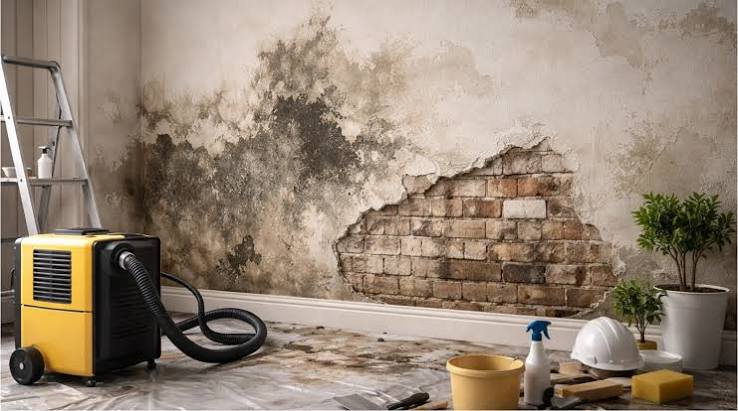
Water leaks hidden inside walls can cause serious damage before homeowners realize there is a problem. A small leak from a plumbing pipe may gradually damage plaster, weaken building materials, encourage mold growth, and increase repair costs.
Because the source of the leak is often difficult to detect, homeowners may not discover the damage until they notice damp patches, peeling paint, musty smells, or unusually high water bills.
One important question is whether home insurance will pay for the repairs. The answer depends on how the leak occurred, how long it continued, the type of damage involved, and the terms of your insurance policy.
Understanding these details can help you respond quickly, avoid unnecessary expenses, and prepare a stronger insurance claim.
1. Does Home Insurance Cover Hidden Water Leaks?
Home insurance may cover damage caused by a hidden water leak, particularly when the leak results from a sudden and accidental plumbing failure covered by the policy.
For example, a pipe inside a wall might unexpectedly burst, allowing water to damage plaster, flooring, cabinets, and nearby electrical fittings.
Depending on the policy, the insurer may pay for eligible repairs to the damaged building materials and other insured property.
However, insurance coverage is not automatic. Some policies distinguish between sudden water damage and problems that develop gradually over an extended period.
If the leak resulted from long-term deterioration, corrosion, poor maintenance, or an excluded cause, the insurer may limit or reject some parts of the claim.
Review your policy carefully to understand which types of water damage are covered and what exclusions apply.
2. What Is the Difference Between Sudden and Gradual Water Leaks?
The distinction between sudden and gradual leaks can have a significant effect on an insurance claim.
Sudden leaks occur unexpectedly, such as when a pipe bursts or a plumbing connection fails without warning.
Gradual leaks develop over time, potentially because of worn seals, deteriorating pipes, loose fittings, or unresolved plumbing problems.
For example, if a pipe suddenly breaks inside a bathroom wall and floods the adjoining room, the resulting damage may qualify for coverage under some home insurance policies.
By contrast, if a slow leak continues for months and gradually damages the wall, flooring, and surrounding structure, the insurer may treat the damage differently.
Some policies cover certain hidden leaks even when they have existed for a period of time, while others exclude damage associated with gradual leakage or deterioration.
The exact wording matters, so do not assume that every hidden leak is covered or automatically excluded.
3. Will Insurance Pay to Repair the Broken Pipe?
Covering the damage caused by a leak is not necessarily the same as covering the cost of repairing the pipe itself.
Some policies pay for eligible resulting water damage but exclude the cost of replacing the failed pipe, worn seal, or defective component.
Other policies may include limited coverage for accessing the leak, opening a wall, or repairing parts of the building to reach a damaged plumbing system.
For example, if a pipe bursts inside a wall, your insurer might cover eligible repairs to the water-damaged plaster and flooring but not the cost of replacing a pipe that failed because of corrosion.
In some circumstances, the policy may also cover reasonable costs of locating the leak or accessing the damaged plumbing.
Check whether your policy includes coverage for:
- Finding and accessing the source of the leak.
- Repairing or replacing the damaged pipe.
- Restoring walls, floors, and ceilings opened during repairs.
- Removing water-damaged materials.
- Drying and restoring affected areas.
These benefits vary by insurer and policy, so ask for clarification before authorizing extensive work.
4. What Signs Suggest You Have a Hidden Water Leak?
Hidden leaks can remain unnoticed for weeks or months. Recognizing early warning signs may help prevent extensive damage.
Look for the following indicators:
- Damp patches: Discoloration or wet areas appearing on walls or ceilings.
- Peeling paint or bubbling plaster: Moisture can weaken paint and wall finishes.
- Musty smells: Persistent odors may indicate moisture or mold growth.
- Unexplained increases in water bills: Higher consumption may suggest a leak.
- Mold or mildew: Growth in unusual places can indicate continuing moisture.
- Warped flooring or swollen wood: Water can damage materials near the leak.
- Unusual plumbing sounds: Running or dripping noises when water is not being used may warrant investigation.
These signs do not always prove that a pipe is leaking. Roof problems, condensation, drainage failures, and external moisture can produce similar symptoms.
If you suspect a leak, arrange an appropriate inspection rather than waiting for visible damage to become more severe.
5. Does Insurance Cover Mold Caused by Hidden Water Leaks?
Mold coverage depends on the cause of the moisture, the policy wording, and how quickly the problem was addressed.
Some policies cover certain mold-related damage when it results from a covered water leak. Others exclude mold or impose specific limits and conditions.
For example, if a sudden covered pipe failure causes water to enter a wall and mold develops shortly afterward, the policy may cover some eligible remediation costs.
However, mold caused by long-term dampness, neglected maintenance, or an excluded gradual leak may not be covered.
Insurers may also examine whether the property owner took reasonable steps to prevent further damage after discovering the problem.
Once a leak is identified, address the source promptly and arrange appropriate drying and remediation. Mold can affect indoor air quality and may cause health problems, so extensive contamination should be assessed by qualified professionals.
6. What If the Leak Comes From a Neighbour’s Property?
A hidden leak may originate in a neighbouring apartment, an adjoining building, or plumbing maintained by another property owner.
For example, a damaged pipe in an upstairs apartment could allow water to seep into the ceiling of the apartment below.
Responsibility for the damage depends on the circumstances, ownership arrangements, and applicable law.
Your own home insurance may cover eligible damage, depending on your policy. The insurer may then seek recovery from a legally responsible party or their insurer where appropriate.
If you live in a rented property or shared building, notify the landlord, property manager, or building management promptly.
Take photographs of the damage, record when it was discovered, and keep copies of any communications with the neighbouring owner or responsible party.
Do not assume that the neighbour must automatically pay for every repair simply because the leak originated on their property.
7. What Should You Do When You Discover a Hidden Leak?
Taking prompt action can reduce further damage and help support your insurance claim.
Step 1: Stop the water if it is safe. Turn off the relevant water supply or main valve if necessary and contact a qualified plumber.
Step 2: Protect people and property. Keep away from wet electrical fittings and potentially unsafe structures. Seek professional help if water is near electrical systems.
Step 3: Document the damage. Photograph damp patches, damaged flooring, affected belongings, and other visible evidence before repairs begin, if it is safe to do so.
Step 4: Notify your insurer. Report the incident promptly and ask about the required inspection, claim forms, and repair approvals.
Step 5: Arrange professional leak detection. A qualified plumber may use specialized equipment to identify the source without unnecessarily damaging large sections of the wall.
Step 6: Prevent further damage. Take reasonable steps to dry affected areas and protect the property, following your insurer’s instructions where possible.
Step 7: Keep records. Save inspection reports, invoices, repair estimates, receipts, and communications with the insurer.
If urgent work is necessary to prevent further damage, do not delay essential safety measures simply because an insurance inspection has not yet occurred. Document the situation and contact the insurer as soon as possible.
8. Why Might an Insurer Reject a Hidden Water Leak Claim?
Even when water damage is genuine, an insurer may determine that some or all of the loss falls outside the policy.
Common reasons include:
- The damage resulted from an excluded gradual leak.
- The underlying pipe failed because of deterioration or corrosion that is not covered.
- The policy excludes mold or limits related remediation costs.
- The homeowner did not comply with relevant policy conditions.
- The damage falls outside the insured property’s coverage.
- Important information or supporting documents are missing.
A rejected claim does not necessarily mean the insurer’s decision is correct.
If your claim is denied, request a written explanation identifying the relevant policy wording and the evidence supporting the decision.
Review the explanation, provide any additional evidence available, and follow the insurer’s complaint or dispute-resolution procedure if you disagree.
9. How Can You Reduce the Risk of Hidden Water Leaks?
Preventive maintenance can reduce the likelihood of serious water damage.
Consider these practical measures:
- Inspect exposed plumbing and connections regularly.
- Replace worn hoses, seals, and fittings when necessary.
- Investigate unexplained increases in water consumption.
- Repair damp patches and plumbing problems promptly.
- Maintain appropriate drainage around the property.
- Arrange professional inspections when pipes are old or corrosion is suspected.
- Know where the main water shutoff valve is located.
- Review your home insurance policy for hidden-leak coverage and exclusions.
If you are purchasing an older property, consider arranging a plumbing inspection before completing the purchase.
Although preventive measures cannot eliminate every risk, early detection can help reduce repair costs and limit damage to the building.
Final Thoughts
Insurance may cover damage caused by water leaks hidden inside walls, particularly when the leak results from a sudden and accidental event included in the policy.
However, the cost of repairing the failed pipe, locating the leak, removing mold, and restoring damaged walls may be treated differently under the same policy.
The key is to understand the distinction between covered water damage and excluded maintenance problems, respond quickly when warning signs appear, and maintain accurate records throughout the claims process.
Before a hidden leak becomes an expensive repair, review your insurance coverage and make sure you understand exactly which water-related risks your policy protects you against.