Employee benefits insurance can play an important role in attracting talented workers, supporting employee well-being, and building a stable workforce. Beyond salaries, benefits such as health insurance, life insurance, and disability coverage can provide financial protection for employees and their families.
For employers, offering suitable insurance benefits is not just about improving a compensation package. It also involves understanding costs, legal obligations, policy limitations, and the needs of the workforce.
Whether you run a small business or manage a large organization, understanding employee benefits insurance can help you make informed decisions and avoid costly mistakes.
1. What Is Employee Benefits Insurance?
Employee benefits insurance refers to insurance coverage provided or arranged by an employer for eligible employees. Depending on the organization and the country, it may also extend to spouses, children, or other eligible dependants.
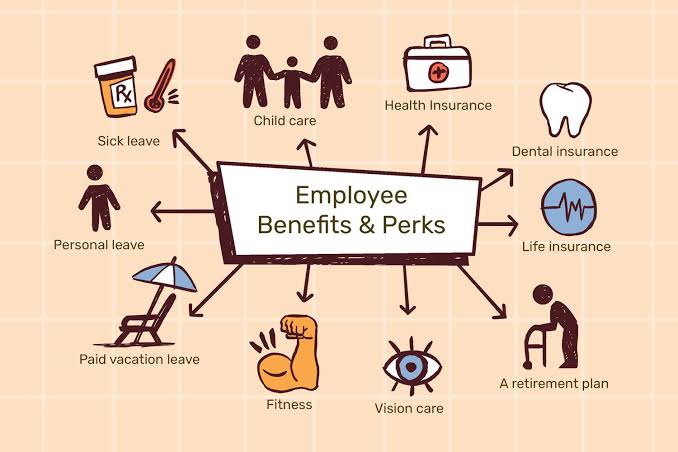
Common types of employee benefits insurance include:
- Health insurance: Helps cover eligible medical expenses, such as consultations, hospital treatment, and diagnostic tests.
- Group life insurance: Provides a benefit to designated beneficiaries if an insured employee dies while covered.
- Disability insurance: May replace part of an employee’s income if illness or injury prevents them from working, subject to policy terms.
- Workplace accident insurance: Provides benefits for qualifying work-related injuries or illnesses, depending on the policy and applicable law.
- Critical illness insurance: May provide a lump-sum payment if an insured employee is diagnosed with a specified serious illness.
- Dental and optical insurance: Helps pay for eligible dental treatment, eye examinations, and related services.
Not every employer needs every type of coverage. The appropriate benefits depend on the business, employee needs, available budget, and legal requirements.
2. Why Is Employee Benefits Insurance Important?
Providing insurance benefits can support both employees and employers.
For employees, insurance can reduce the financial pressure associated with unexpected medical expenses, accidents, disability, or the loss of a family breadwinner.
For employers, a well-designed benefits package may help attract qualified candidates, improve employee satisfaction, and encourage staff retention.
Insurance benefits can also demonstrate that an organization takes employee welfare seriously.
However, benefits alone cannot guarantee higher productivity or prevent employees from leaving. Their value depends on how well the coverage meets employee needs and how effectively the organization manages the overall working environment.
3. Understand Your Legal Obligations
Before purchasing employee benefits insurance, employers should identify the insurance and employee protection requirements that apply to their business.
These obligations differ between countries and may also depend on the industry, number of employees, and nature of the work.
Depending on the jurisdiction, employers may be required to register with relevant social security or workers’ compensation schemes, make statutory contributions, or maintain specific workplace injury coverage.
For example, an employer may need to distinguish between legally required workplace injury protection and optional benefits such as private medical insurance.
Failing to meet applicable requirements can result in penalties, disputes, or unexpected financial liabilities.
Employers should consult the relevant labor authorities, social security institutions, insurance regulators, or qualified legal advisers to confirm their responsibilities.
Do not assume that purchasing a private insurance policy automatically satisfies every statutory obligation.
4. Calculate the True Cost of Providing Benefits
The cost of employee benefits insurance extends beyond the advertised premium.
Employers should consider the full financial commitment before selecting a plan.
Important cost factors include:
- The number of employees eligible for coverage.
- The types and levels of benefits provided.
- The number of dependants included.
- Premium increases at renewal.
- Administrative and enrollment expenses.
- Deductibles, co-payments, or excesses that employees may need to pay.
- Any employer contributions required by law or company policy.
For example, a business may initially choose a low-cost health insurance plan, only to discover that its hospital limits are insufficient or that many employees must pay substantial out-of-pocket expenses.
A more useful approach is to compare the total cost with the quality and practical value of the benefits provided.
Employers should also budget for future premium changes rather than assuming the initial price will remain unchanged.
5. Choose Coverage That Matches Employee Needs
A benefits package should reflect the circumstances of the workforce rather than simply copying another company’s arrangements.
Employees may have different medical requirements, family responsibilities, income levels, and workplace risks.
For example, a business employing many workers in physically demanding roles may need to pay particular attention to workplace injury protection and relevant safety measures.
An office-based organization may place greater emphasis on medical coverage, life insurance, and income protection.
Employers can identify priorities by conducting anonymous employee surveys, reviewing existing benefits, and consulting representatives from different departments.
When evaluating insurance providers, compare:
- The benefits included and excluded.
- Annual and lifetime limits, where applicable.
- Hospital and medical provider networks.
- Waiting periods and eligibility conditions.
- Claims procedures and processing times.
- Coverage for dependants.
- Renewal terms and premium adjustment rules.
The goal is to select benefits that are useful, affordable, and appropriate for the employees who will rely on them.
6. Read Policy Exclusions and Limitations Carefully
One of the most important responsibilities for employers is understanding what an insurance policy does not cover.
A policy may advertise broad protection while containing exclusions, sub-limits, waiting periods, or conditions that affect particular claims.
For example, a health insurance policy may limit certain specialist treatments, impose annual limits on specific services, or require pre-authorization for selected procedures.
Similarly, group life insurance may define eligibility conditions, exclusions, and circumstances under which a benefit will not be payable.
Employers should request clear explanations of these provisions before signing the insurance contract.
They should also communicate relevant limitations to employees so that workers understand the actual protection available.
Avoid promising benefits that are not expressly supported by the policy or applicable employment agreements.
7. Protect Employee Information
Administering employee benefits often involves collecting personal information, including names, identification details, dependant information, and sometimes sensitive medical data.
Employers should handle this information carefully and comply with applicable data protection and privacy laws.
Practical measures include:
- Collecting only information necessary for administering benefits.
- Restricting access to authorized personnel.
- Using secure methods to transmit employee information.
- Keeping records only for as long as legally or operationally necessary.
- Explaining how information is shared with insurers and benefits administrators.
- Following appropriate procedures for reporting and responding to data breaches.
Employers should also understand which information the insurer needs and which information should remain confidential.
Good information management helps protect employees and reduces the risk of privacy complaints, regulatory penalties, and reputational damage.
8. Explain the Benefits Clearly to Employees
Even a valuable insurance package can cause frustration if employees do not understand how it works.
Employers should provide clear information about eligibility, enrollment deadlines, coverage limits, exclusions, and claims procedures.
For example, employees should know how to access the approved medical network, obtain pre-authorization when required, and submit documents for reimbursement.
They should also understand what happens to coverage when they resign, retire, take extended leave, or move into another employment category.
Useful communication methods include employee handbooks, orientation sessions, written benefit summaries, and question-and-answer meetings with the insurer or benefits administrator.
Employers should provide updates whenever benefits change and make it easy for employees to ask questions.
Clear communication reduces misunderstandings and helps workers make better use of the protection available to them.
9. Review Insurance Policies Regularly
Employee needs and business circumstances change over time. A policy that worked well several years ago may no longer be suitable.
Employers should review their benefits arrangements before each renewal and whenever significant changes occur in the workforce or business.
During the review, examine claims experience where appropriate, employee feedback, premium increases, service quality, and changes in legal requirements.
Ask the insurer whether alternative benefit structures could improve coverage or control costs without creating unacceptable gaps in protection.
It is also useful to compare quotations from other reputable providers, taking care to compare equivalent benefits rather than premiums alone.
Before switching insurers, check whether the change could affect waiting periods, continuity of coverage, treatment for existing conditions, or access to preferred medical providers.
10. Work With a Reliable Insurance Provider
The quality of the insurance provider can affect how effectively employee benefits operate in practice.
Employers should evaluate insurers based on their regulatory status, financial strength, claims-handling procedures, service standards, and ability to support the organization’s needs.
Ask how claims are submitted, how employees receive assistance, and what escalation process is available when a claim is disputed.
For larger organizations, a qualified insurance broker or benefits consultant may help compare policies, negotiate terms, and coordinate renewals.
However, employers remain responsible for understanding the arrangements they purchase and fulfilling their own legal and contractual obligations.
Maintain copies of policy documents, employee enrollment records, renewal notices, and important communications so that coverage can be verified when needed.
Final Thoughts
Employee benefits insurance can provide valuable financial protection while helping employers develop a more attractive and supportive workplace.
However, choosing the right coverage requires more than comparing premiums. Employers must understand legal obligations, assess employee needs, manage costs, protect personal information, and communicate benefits clearly.
Regular policy reviews are equally important because workforce needs, insurance terms, and business priorities can change.
By treating employee benefits insurance as a long-term business responsibility rather than simply an employment expense, employers can make more informed decisions and provide protection that genuinely benefits their workforce.