
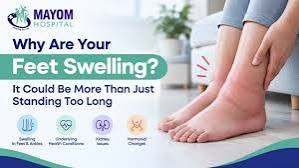
Have you ever noticed your feet or ankles looking puffy after a long day of standing, sitting for hours, or spending time in hot weather? Foot swelling is a common problem, and in many cases, it improves with rest and simple lifestyle changes.
However, swollen feet can sometimes signal an underlying medical condition that needs attention. The cause may range from temporary fluid buildup to problems involving the veins, heart, kidneys, or liver.
Understanding why your feet swell, recognizing warning signs, and knowing when to seek medical care can help you protect your health.
1. What Causes Your Feet to Swell?
Foot swelling occurs when excess fluid collects in the tissues of your feet or ankles. The medical term for this type of swelling is edema.
Gravity encourages fluid to collect in the lower parts of the body, especially when you remain in one position for a long time. Normally, your veins and lymphatic system help move fluid back into circulation.
When this process becomes less effective, fluid can accumulate and cause visible swelling.
Common symptoms include:
- Puffy feet or ankles.
- Tight skin or shoes that feel unusually uncomfortable.
- A feeling of heaviness in the legs.
- Skin that temporarily retains an indentation after being pressed.
- Swelling that becomes more noticeable toward the end of the day.
The appearance of swelling alone cannot identify its cause. Other symptoms, your medical history, and how quickly the swelling develops are also important.
2. Standing or Sitting for Too Long
One of the most common reasons for swollen feet is remaining in the same position for an extended period.
When you sit or stand for hours without moving much, blood and fluid can accumulate in the lower legs because circulation is less effectively assisted by the muscles.
This may happen to people who work at desks, stand for long shifts, travel long distances, or spend much of the day sitting.
The swelling often affects both feet and may improve after walking, elevating the legs, or resting overnight.
To reduce swelling associated with prolonged inactivity:
- Take regular movement breaks.
- Flex your ankles and move your toes while sitting.
- Walk briefly when it is safe and practical.
- Avoid staying in one position for hours without interruption.
If swelling persists, repeatedly returns, or becomes worse, do not assume that sitting or standing is the only explanation.
3. Hot Weather Can Make Foot Swelling Worse
Have you noticed your feet becoming puffier during hot weather?
Heat can cause blood vessels to widen, increasing blood flow near the skin and sometimes allowing more fluid to collect in the surrounding tissues. Swelling may become more noticeable when combined with prolonged standing or sitting.
For many people, mild heat-related swelling improves when they move to a cooler environment, elevate their legs, and allow their bodies to cool down.
Drinking water regularly can help maintain hydration, particularly in hot climates. However, do not assume that drinking extra water will treat swelling caused by a medical condition.
Seek medical advice if swelling is persistent, unexplained, or accompanied by other symptoms.
4. Could Your Swollen Feet Be a Sign of Poor Circulation?
Problems with the veins in your legs can contribute to swelling.
Healthy leg veins contain valves that help blood travel back toward the heart. When these valves do not work properly, blood may collect in the lower legs, increasing pressure and allowing fluid to leak into nearby tissues.
This is known as chronic venous insufficiency.
Possible signs include:
- Swelling around the ankles, especially later in the day.
- Aching or heaviness in the legs.
- Visible varicose veins.
- Itchy or discolored skin around the ankles.
- Symptoms that improve when the legs are elevated.
Venous problems are more common with increasing age and may be associated with prolonged standing, previous blood clots, pregnancy, or other risk factors.
A healthcare professional can determine whether your symptoms are related to venous insufficiency and recommend appropriate treatment. Compression stockings may help some people, but they are not suitable for everyone, particularly those with certain arterial circulation problems.
5. When Swollen Feet May Signal a Heart, Kidney, or Liver Problem
Sometimes, swelling occurs because an underlying condition affects the body’s ability to regulate fluid.
Heart problems: Certain heart conditions can reduce the heart’s ability to circulate blood effectively, causing fluid to accumulate in the legs. Swelling may occur alongside breathlessness, fatigue, or difficulty breathing when lying flat.
Kidney problems: The kidneys help regulate the body’s fluid and salt balance. Kidney disease can lead to fluid retention, sometimes causing swelling in the feet, ankles, or other parts of the body.
Liver problems: Some liver conditions can alter the body’s fluid balance and protein levels, contributing to swelling in the legs or fluid accumulation in the abdomen.
These conditions cannot be diagnosed by looking at swollen feet alone. A medical assessment may include an examination, blood tests, urine tests, and other investigations depending on the suspected cause.
Persistent swelling, particularly when it affects both legs or occurs with other symptoms, deserves medical attention.
6. Can Medications Cause Your Feet to Swell?
Yes. Certain medicines can cause fluid retention or changes in circulation that lead to swollen feet and ankles.
Examples include some blood pressure medicines, particularly calcium channel blockers such as amlodipine, as well as certain anti-inflammatory medicines, corticosteroids, and other drugs.
The timing of the swelling may provide a clue, especially if it began after starting a new medicine or changing a dose.
However, you should not stop taking prescribed medication on your own. Contact your healthcare professional to discuss the swelling and whether your treatment needs to be reviewed.
7. When Is Foot Swelling an Emergency?
Although some cases of swelling are mild, certain warning signs require urgent medical attention.
Seek emergency care if foot or leg swelling occurs with:
- Sudden shortness of breath or difficulty breathing.
- Chest pain, fainting, or coughing up blood.
- Sudden swelling of one leg accompanied by pain, warmth, or redness.
These symptoms can indicate serious conditions, including a blood clot in a deep vein or a clot that has traveled to the lungs.
Sudden swelling in one leg should receive urgent medical assessment even if the pain is mild, particularly when there are risk factors such as recent surgery, prolonged immobility, or a previous blood clot.
Seek prompt medical advice for unexplained or persistent swelling, swelling that is worsening, fever with redness, or swelling accompanied by reduced urination or other new symptoms.
If you are pregnant, sudden swelling of the face or hands, especially with a severe headache, visual changes, or upper abdominal pain, requires urgent assessment for possible pregnancy-related complications.
8. Simple Ways to Reduce Mild Foot Swelling
If your swelling is mild and you have no warning signs, the following measures may help while you monitor your symptoms.
Elevate your feet. Rest with your feet supported above the level of your heart when practical and comfortable.
Move regularly. Walking and gentle ankle movements activate the calf muscles, which help move blood back toward the heart.
Avoid prolonged inactivity. Change position regularly during work, travel, or long periods of sitting.
Wear comfortable footwear. Choose shoes that do not squeeze your feet or ankles.
Reduce excessive salt intake. A diet high in sodium can contribute to fluid retention in some people. Limit excessive salt, especially from heavily salted and highly processed foods.
Follow medical advice. If you have heart, kidney, or liver disease, ask your healthcare professional how to manage fluid intake and swelling safely. Do not use water pills or diuretics without medical guidance.
These measures may relieve mild swelling, but they should not replace medical assessment when the cause is uncertain or symptoms persist.
Final Thoughts
Swollen feet can result from everyday factors such as prolonged sitting, standing, or hot weather. However, they can also be associated with venous circulation problems, medication effects, and conditions affecting the heart, kidneys, or liver.
The most important clues are how quickly the swelling develops, whether one or both feet are affected, how long it lasts, and whether other symptoms appear.
Mild swelling that improves with movement and elevation may be temporary. Sudden one-sided swelling, chest pain, or difficulty breathing requires urgent medical attention.
Do not ignore persistent or unexplained swelling. Recognizing the warning signs and seeking medical advice when necessary can help identify serious problems before they become more dangerous.