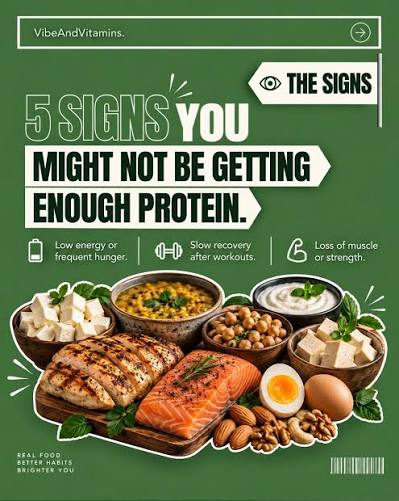
Protein is one of the most important nutrients your body needs to function properly. It helps build and repair muscles, supports the immune system, maintains healthy skin, and contributes to the production of enzymes and hormones.
Despite its importance, some people may not get enough protein from their daily diet, particularly when they skip meals, eat a limited variety of foods, or follow restrictive diets.
But how can you tell whether you are getting enough? Certain changes in your body may provide clues, although no single symptom can confirm a protein deficiency.
Understanding your protein needs and knowing which foods provide this essential nutrient can help you make better decisions about your health.
1. Why Does Your Body Need Protein?
Protein is made up of smaller units called amino acids. Your body uses these building blocks to maintain tissues, repair damage, and produce substances needed for everyday functions.
Protein plays several important roles, including:
- Building and repairing muscles: It helps maintain muscle tissue and supports recovery after physical activity.
- Supporting immunity: The body uses proteins to produce antibodies and other components of the immune system.
- Maintaining skin and hair: Structural proteins help support the strength and structure of body tissues.
- Producing enzymes and hormones: Many biological processes depend on proteins.
- Supporting growth and recovery: Protein is especially important during childhood, pregnancy, recovery from illness, and periods of tissue repair.
Your body needs protein throughout life, although the amount required varies with age, body size, activity level, health status, and other factors.
2. You May Be Losing Muscle Strength
One possible consequence of inadequate protein intake, especially when combined with insufficient calories and physical inactivity, is the loss of muscle tissue.
You might notice that lifting objects becomes harder, your physical performance declines, or you struggle to maintain your usual strength.
However, muscle weakness has many possible causes. Aging, illness, nerve problems, poor sleep, and inadequate overall food intake can also contribute.
Protein alone cannot prevent every cause of muscle loss. Maintaining muscle generally requires adequate nutrition, regular physical activity, and resistance exercises appropriate for your abilities.
If you experience unexplained or progressive weakness, seek medical advice rather than assuming that you simply need more protein.
3. Your Hair May Become Thinner
Hair is primarily made of a structural protein called keratin. Your body needs adequate nutrients, including protein, to support normal hair growth.
When someone experiences significant nutritional deficiencies, hair growth may be affected, and increased shedding can occur.
However, hair loss is not a reliable sign of protein deficiency on its own. Genetics, hormonal changes, thyroid disorders, iron deficiency, illness, stress, and certain medications can also cause hair loss.
If your hair is thinning noticeably or shedding more than usual, a healthcare professional can help identify the underlying cause.
Eating enough protein as part of a balanced diet supports normal hair health, but increasing protein intake will not necessarily reverse hair loss caused by another condition.
4. You May Feel Hungry Soon After Eating
Protein can help you feel satisfied after meals. It influences several signals involved in appetite and fullness, and meals containing protein may keep some people satisfied longer than meals dominated by rapidly digested carbohydrates.
If your meals consist mainly of foods such as refined bread, sugary snacks, or sweetened drinks, you may find yourself hungry again relatively quickly.
Adding protein-rich foods can help create more balanced meals.
For example, consider combining:
- Eggs with whole-grain bread.
- Beans or lentils with rice.
- Plain yogurt with oats and fruit.
- Fish with vegetables and whole grains.
- Groundnuts with fruit as a snack.
Feeling hungry frequently does not automatically mean you lack protein. Your total calorie intake, meal size, activity level, sleep, and other factors also affect hunger.
5. Your Wounds May Take Longer to Heal
Your body needs protein to repair damaged tissues and support the processes involved in wound healing.
When protein intake is inadequate, particularly in people who are also malnourished or seriously ill, healing may become more difficult.
However, slow wound healing can also be associated with diabetes, poor circulation, infection, and other medical conditions.
If a wound is not healing, becomes increasingly painful, develops spreading redness, or produces pus, seek medical assessment. People with diabetes should be particularly cautious about wounds on their feet.
Improving protein intake may help when inadequate nutrition is part of the problem, but it is not a substitute for appropriate wound care.
6. You May Feel Tired or Recover Slowly After Exercise
Protein supports muscle repair following physical activity. People who regularly exercise may need to pay attention to their intake, especially if they participate in demanding endurance or strength training.
If you do not eat enough overall, you may experience fatigue, reduced exercise performance, or slower recovery.
Nevertheless, fatigue is a very nonspecific symptom. Inadequate sleep, dehydration, iron deficiency, infections, thyroid problems, and many other conditions can cause similar problems.
Eating enough food, including protein and carbohydrates, can support exercise recovery. Drinking enough water and allowing your body adequate rest are also important.
You do not necessarily need protein powders or expensive supplements to recover well. Ordinary foods can provide the protein your body needs.
7. Your Skin May Become More Vulnerable to Problems
Protein contributes to the structure and maintenance of skin and other tissues. Severe protein-energy malnutrition can cause visible changes in the skin and impair tissue repair.
However, dry skin, brittle nails, and changes in skin appearance are not dependable ways to diagnose low protein intake.
These symptoms may be related to dehydration, environmental conditions, aging, skin disorders, or deficiencies of other nutrients.
If you notice several persistent changes alongside unintended weight loss, poor appetite, or reduced muscle strength, consider seeking a nutritional assessment.
A balanced diet containing adequate protein, healthy fats, vitamins, minerals, and fluids supports skin health more effectively than focusing on one nutrient alone.
8. How Much Protein Do You Actually Need?
Protein requirements vary, but general guidelines can help adults estimate their needs.
For many healthy adults, a commonly used reference intake is approximately 0.8 grams of protein per kilogram of body weight per day.
For example, a healthy adult weighing 60 kilograms would need about 48 grams of protein daily using this reference.
This is a general guideline, not a personalized prescription. People who are physically active, older adults at risk of muscle loss, pregnant or breastfeeding individuals, and those recovering from illness may have different needs.
People with kidney disease or certain other medical conditions may require individualized dietary advice.
You can often meet your needs by including protein-rich foods in your regular meals rather than relying on supplements.
9. Affordable Foods That Can Help You Get More Protein
You do not need expensive foods to improve your protein intake. Many affordable options are available in local markets and supermarkets.
Consider including:
- Beans and peas: Affordable sources of protein and fiber.
- Lentils: Useful in soups, stews, and other meals.
- Eggs: Versatile sources of protein.
- Fish: Provides protein, and oily fish can also supply beneficial omega-3 fats.
- Milk and plain yogurt: Provide protein and other nutrients.
- Groundnuts and other nuts: Supply protein and healthy fats.
- Soybeans and tofu: Plant-based protein options.
- Chicken and lean meat: Provide concentrated sources of protein.
For example, a meal of beans, rice, and vegetables can provide protein, carbohydrates, fiber, and several important micronutrients.
Combining a variety of plant foods throughout the day can help you obtain the essential amino acids your body needs.
10. How to Improve Your Protein Intake Safely
If you suspect your diet is low in protein, start by examining what you normally eat.
Include a protein source in your main meals. Add eggs, beans, fish, yogurt, or another suitable option.
Avoid skipping meals unnecessarily. Regular, balanced meals can make it easier to meet your nutritional needs.
Eat enough overall. Protein cannot fully support muscle maintenance if your total food intake is consistently too low.
Combine nutrition with physical activity. Resistance exercise helps stimulate muscle maintenance and growth when adequate nutrition is available.
Be cautious with supplements. Protein powders may be convenient for some people, but they are not necessary for everyone. Choose products carefully and seek professional advice if you have a medical condition.
Seek help if you are at risk of malnutrition. Unintentional weight loss, persistent poor appetite, difficulty swallowing, and prolonged illness may require professional assessment.
Final Thoughts
Protein is essential for muscle maintenance, tissue repair, immunity, and many other functions. If your diet consistently provides too little protein, you may experience health consequences, particularly when inadequate intake is accompanied by insufficient calories or other nutritional deficiencies.
However, symptoms such as fatigue, hair loss, muscle weakness, and slow wound healing can have many causes. They should not automatically be attributed to a lack of protein.
The best approach is to eat a varied, balanced diet that includes affordable protein sources, maintain appropriate physical activity, and seek medical advice when symptoms persist.
You do not need an expensive diet or a cupboard full of supplements to support your health. Start with balanced meals, adequate food, and consistent habits that help your body get the nutrients it needs.