
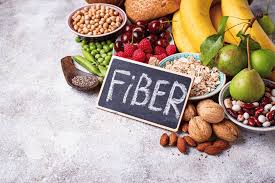
Fiber is one of the most important parts of a healthy diet, yet many people do not get enough of it. While vitamins, protein, and healthy fats often receive considerable attention, dietary fiber is just as important for keeping your digestive system working properly and supporting your overall health.
Fiber helps regulate bowel movements, supports beneficial gut bacteria, and can help control blood sugar and cholesterol levels. It may also help you feel full for longer, making it easier to maintain healthy eating habits. Despite these benefits, many everyday meals contain too few fiber-rich foods.
The challenge is that fiber deficiency does not always produce obvious warning signs. You might experience constipation, frequent hunger, or digestive discomfort without realizing that your diet is missing an important nutrient.
So, how can you tell whether you are getting enough fiber, and what can you do to improve your intake?
1. What Is Dietary Fiber, and Why Does Your Body Need It?
Dietary fiber is a type of carbohydrate found naturally in plant-based foods that your body cannot fully digest. Unlike most carbohydrates, which are broken down into sugars, fiber passes through the digestive system largely intact.
There are two commonly discussed types of fiber, and both offer important benefits.
Soluble fiber dissolves in water to form a gel-like substance. It can help lower LDL, or “bad,” cholesterol and slow the absorption of sugar, supporting healthier blood glucose levels. Foods such as oats, beans, lentils, apples, and citrus fruits contain soluble fiber.
Insoluble fiber helps add bulk to stool and supports regular bowel movements. It is found in foods such as whole-wheat products, vegetables, nuts, seeds, and the skins of many fruits.
Many plant foods contain a combination of both types. Rather than focusing on one type alone, aim to eat a variety of fruits, vegetables, legumes, whole grains, nuts, and seeds.
2. How Much Fiber Should You Eat Each Day?
Your daily fiber needs depend on your age, sex, energy requirements, and individual health circumstances.
For adults, commonly used recommendations include approximately:
- Women aged 19–50: 25 grams per day.
- Men aged 19–50: 38 grams per day.
- Women aged 51 and older: 21 grams per day.
- Men aged 51 and older: 30 grams per day.
These are general guidelines, and recommendations can vary between health authorities and individuals.
For a practical example, a person aiming for about 25–30 grams of fiber daily might obtain it through a combination of oats at breakfast, beans or lentils at lunch, vegetables with dinner, and fruit or nuts as snacks.
You do not need to count every gram forever. However, tracking your meals for several days can help you understand whether you are regularly eating enough fiber-rich foods.
If your intake is consistently low, gradually increasing the amount you eat can make a meaningful difference.
3. Frequent Constipation May Be a Warning Sign
One of the most recognizable signs of inadequate fiber intake is constipation.
Fiber helps retain water in stool and adds bulk, making bowel movements easier for many people. When your diet contains too little fiber, stools may become hard, dry, or difficult to pass.
You might notice that you go to the toilet less frequently than usual, strain during bowel movements, or feel that you have not completely emptied your bowels.
However, constipation does not automatically mean you are deficient in fiber. Insufficient fluid intake, physical inactivity, certain medications, changes in routine, and some medical conditions can also contribute.
If constipation is persistent, consider reviewing your diet, drinking enough fluids, and staying physically active. Increase fiber gradually rather than suddenly adding large amounts to your meals.
Seek medical advice if constipation continues despite these changes or is accompanied by severe abdominal pain, vomiting, blood in the stool, or unexplained weight loss.
4. You May Feel Hungry Again Shortly After Eating
Do you often feel hungry soon after finishing a meal, even when you believe you have eaten enough?
A diet low in fiber may contribute to this pattern.
Fiber-rich foods often take longer to eat and digest, helping meals feel more satisfying. Soluble fiber can also slow digestion, while foods such as beans, oats, vegetables, and whole grains provide a combination of fiber, water, and other nutrients that support fullness.
For example, a breakfast made mainly of refined cereal or white bread may provide less fiber than oatmeal topped with fruit and nuts. The second option may help some people feel satisfied for longer.
Frequent hunger can have many explanations, including insufficient overall food intake, inadequate protein, poor sleep, stress, and changes in physical activity. It is not a reliable sign of low fiber intake on its own.
Instead of relying on a single symptom, look at your overall eating pattern. Including fiber-rich foods alongside protein and healthy fats can help create more balanced meals.
5. Your Gut Health May Be Missing Important Support
Your digestive system contains trillions of microorganisms, including bacteria that help process food and support normal intestinal function. This community is known as the gut microbiome.
Certain types of dietary fiber act as prebiotics, providing nourishment for beneficial gut microorganisms. When these microbes ferment fiber, they produce substances called short-chain fatty acids, which help support the health of the intestinal lining and influence several aspects of digestive function.
A diet that regularly includes beans, lentils, whole grains, vegetables, fruits, nuts, and seeds provides different types of fiber that can support a diverse gut microbial community.
On the other hand, a diet dominated by highly refined foods with little plant variety may provide fewer of these benefits.
However, there is no single symptom that can tell you whether your gut microbiome is healthy or unhealthy. Gas, bloating, and irregular bowel movements can occur for many reasons.
The practical approach is to increase the variety of plant foods you eat over time. Different plants provide different fibers, and variety is generally more useful than relying on one so-called superfood.
6. Your Cholesterol and Blood Sugar May Benefit From More Fiber
Fiber does more than support digestion. Certain types can also contribute to healthier cholesterol and blood sugar levels.
Soluble fiber, particularly the kind found in oats, barley, beans, and some fruits, can help reduce the absorption of cholesterol in the digestive tract. Regularly eating these foods may help lower LDL cholesterol as part of an overall heart-healthy diet.
Fiber can also slow the absorption of carbohydrates, helping reduce sharp rises in blood glucose after meals. This is especially relevant for people managing diabetes or trying to reduce their risk of developing type 2 diabetes.
Whole foods that contain fiber also tend to provide vitamins, minerals, and other beneficial plant compounds.
Nevertheless, low fiber intake does not necessarily mean you have high cholesterol or elevated blood sugar. These conditions have multiple causes, including genetics, activity levels, body composition, medications, and other dietary factors.
If you are concerned about your risk, appropriate blood tests and professional medical advice are more reliable than trying to identify the problem through symptoms.
7. You May Be Eating Healthy Foods but Still Getting Too Little Fiber
One common mistake is assuming that every healthy meal automatically contains enough fiber.
For example, eggs, fish, chicken, milk, and plain yogurt can provide valuable nutrients, but they contain little or no dietary fiber. A meal made mainly from these foods may need additional plant-based ingredients to provide enough fiber.
Refined grains can also make it harder to reach your daily target. White bread, white rice, and many processed breakfast cereals generally contain less fiber than their whole-grain alternatives.
Consider these simple substitutions:
- Replace some white bread with whole-wheat bread.
- Choose oats or a higher-fiber whole-grain cereal for breakfast.
- Add beans, peas, or lentils to soups, stews, and rice dishes.
- Include vegetables with lunch and dinner.
- Choose whole fruit instead of fruit juice more often.
- Add nuts or seeds to suitable meals and snacks.
You do not need to eliminate refined grains or your favorite foods completely. The goal is to make fiber-rich choices a regular part of your diet.
8. Simple Ways to Increase Fiber Without Changing Your Entire Diet
Improving your fiber intake does not require expensive supplements or a complete change in your eating habits. Small, consistent adjustments can help you reach your target.
Here are practical ways to get started:
At breakfast: Eat oatmeal, whole-grain bread, or a high-fiber cereal. Add a banana, berries, or another fruit.
At lunch: Include beans, lentils, peas, vegetables, or whole grains. If you usually eat rice, try serving it with beans and a generous portion of vegetables.
At dinner: Fill part of your plate with vegetables and consider adding legumes to soups, sauces, or stews.
For snacks: Choose whole fruits, nuts, seeds, or vegetables when appropriate for your needs.
When shopping: Compare nutrition labels and look for products that provide more fiber per serving. Ingredient lists can also help you identify whole grains and other fiber-rich ingredients.
Increase your intake gradually. Adding a large amount of fiber all at once can cause gas, bloating, or abdominal discomfort, particularly if your body is not accustomed to it.
Drinking enough fluids is also important, especially when increasing fiber. Fiber needs adequate fluid to help support comfortable bowel movements.
If you have a digestive condition or have been advised to follow a low-fiber diet, consult a healthcare professional before making major changes.
9. Do Fiber Supplements Work as Well as Food?
Fiber supplements can be useful in certain situations, especially when someone struggles to meet their needs through food alone.
Products containing psyllium, for example, can help support regular bowel movements and may provide other benefits depending on the formulation and how they are used.
However, supplements do not fully replace fiber-rich foods. Fruits, vegetables, legumes, nuts, seeds, and whole grains provide a broader range of nutrients and beneficial plant compounds that most isolated fiber supplements do not contain.
Supplements can also cause bloating or other digestive effects. Some require substantial fluid intake, and certain products may interfere with the absorption of medications if taken too close together.
If you take medication regularly, have difficulty swallowing, or have a history of intestinal narrowing or obstruction, seek professional advice before using a fiber supplement.
For most people, the best starting point is to improve the variety and amount of fiber-rich foods in their daily meals. A supplement may be appropriate when dietary changes alone are insufficient or when recommended for a specific health concern.
10. How to Check Whether Your Diet Provides Enough Fiber
You do not need to wait for symptoms to appear before evaluating your fiber intake. A simple food review can reveal whether you are regularly including enough high-fiber choices.
For three typical days, record what you eat and drink. Pay particular attention to fruits, vegetables, legumes, whole grains, nuts, and seeds.
Next, estimate the fiber in your portions using nutrition labels or a reliable food composition database. Compare your average daily intake with the general recommendation appropriate for your age and sex.
Ask yourself these questions:
- Do I eat whole fruits regularly rather than relying mainly on juice?
- Are vegetables included in most of my main meals?
- Do I eat beans, lentils, or peas several times a week?
- Do I choose whole grains regularly?
- Do I include nuts or seeds when suitable?
- Do I drink enough fluids throughout the day?
If you answer “no” to several of these questions, your diet may benefit from more fiber-rich foods.
Remember that bowel habits alone cannot determine whether your fiber intake is adequate. Some people with low intake do not experience constipation, while others develop digestive symptoms despite eating plenty of fiber.
If you have persistent digestive problems, unexplained changes in bowel habits, blood in your stool, or unexplained weight loss, seek medical evaluation rather than assuming that fiber is the only issue.
Final Thoughts
Dietary fiber plays an essential role in digestive health and can also support heart health, blood sugar regulation, and a healthy gut microbiome. Yet it is easy to fall short when meals rely heavily on refined grains, animal products, and highly processed foods with little variety from plants.
The good news is that improving your intake can be straightforward. Eat more whole fruits and vegetables, include beans and lentils in your meals, choose whole grains more often, and increase your intake gradually while drinking enough fluids.
You do not have to make every change at once. Even small improvements, repeated consistently, can help you build a more fiber-rich diet.
The key takeaway: If your daily meals contain plenty of varied plant foods, you are more likely to meet your fiber needs. Rather than waiting for constipation or other symptoms to appear, make fiber a regular part of your diet and support your health from the inside out.