
Have you ever wondered why you feel hungry shortly after eating, struggle to stay awake during the afternoon, or find yourself lying awake at night despite feeling exhausted? These experiences may be influenced by several factors, including your daily habits, stress levels, diet, and the complex chemical messengers known as hormones.
Hormones help regulate many essential processes in the body. They influence how your brain responds to hunger, how your body uses energy, when you feel sleepy, and how you respond to stress. Even small changes in hormonal signals can affect how you feel throughout the day.
However, hormones do not work alone. Your nervous system, internal body clock, environment, and lifestyle also play important roles in regulating appetite, energy, and sleep.
Understanding how these systems interact can help you recognize patterns in your daily routine and make healthier choices that support your overall well-being.
1. What Are Hormones, and Why Are They Important?
Hormones are chemical messengers produced by glands and specialized cells throughout the body. They travel through the bloodstream or act locally to communicate with different tissues and organs.
These signals help regulate processes such as growth, metabolism, reproduction, stress responses, blood sugar levels, and sleep-wake cycles.
For example, insulin helps control blood sugar by allowing cells to take up glucose. Thyroid hormones influence how the body uses energy, while cortisol helps coordinate the body’s response to stress and contributes to the daily rhythm of alertness.
Other hormones, including ghrelin and leptin, help communicate information about hunger and energy stores to the brain.
Hormones work together rather than independently. Their effects also depend on factors such as the time of day, age, physical activity, medication use, and overall health.
This is why feeling tired, hungry, or restless does not automatically mean that your hormones are abnormal. These experiences can have many possible explanations.
2. Ghrelin and Leptin Help Regulate Your Appetite
Two hormones often discussed in relation to appetite are ghrelin and leptin.
Ghrelin is commonly known as the hunger hormone because its levels often rise before meals and fall after eating. It helps signal to the brain that food may be needed.
Leptin is produced mainly by fat cells and communicates information about the body’s stored energy. It helps the brain regulate appetite and long-term energy balance.
Together with signals from the digestive system, brain, and other tissues, these hormones help influence when you feel hungry and when you feel satisfied.
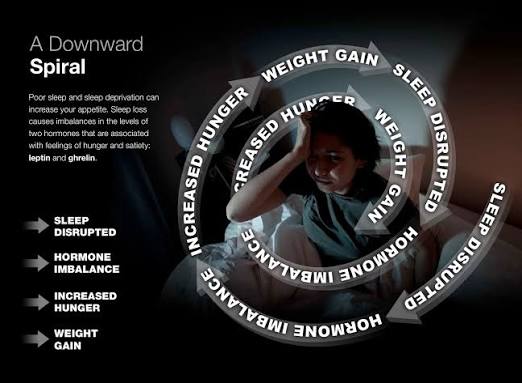
Sleep, food intake, body composition, and metabolic health can affect these signals. For example, insufficient sleep has been associated with changes in appetite regulation and increased food cravings in some people.
However, appetite is not controlled by just two hormones. Food availability, emotions, habits, medication, and the rewarding effects of certain foods can also influence eating behavior.
If you frequently feel hungry, consider whether you are eating enough overall, getting sufficient protein and fiber, and sleeping adequately before assuming that a hormonal problem is responsible.
3. Insulin Helps Control Blood Sugar and Energy Availability
Every time you eat foods containing carbohydrates, your digestive system breaks some of them down into glucose. This glucose enters the bloodstream, and the hormone insulin helps move it into cells and regulate its storage and use.
Insulin is produced by the pancreas and plays a central role in maintaining healthy blood glucose levels.
When this system works properly, the body can make glucose available to tissues that need it while keeping blood sugar within an appropriate range.
Problems with insulin production or the body’s response to insulin can contribute to diabetes. In some circumstances, high or low blood glucose can cause symptoms such as fatigue, thirst, frequent urination, shakiness, or difficulty concentrating.
However, feeling sleepy after a meal does not necessarily indicate an insulin problem. Meal size, sleep quality, activity levels, and normal daily changes in alertness may also explain the experience.
To support healthy blood sugar regulation, aim for balanced meals that include vegetables, fiber-rich carbohydrates, protein, and suitable sources of healthy fats. Regular physical activity and adequate sleep can also help.
If you experience persistent fatigue alongside excessive thirst, frequent urination, blurred vision, or unexplained weight changes, consult a healthcare professional about whether blood glucose testing is appropriate.
4. Cortisol Influences Stress, Alertness, and Your Daily Rhythm
Cortisol is a hormone produced by the adrenal glands. It helps the body respond to stress and supports several essential functions, including blood pressure regulation, immune activity, and metabolism.
Cortisol follows a daily pattern. In many people, levels rise around the time of waking and decline throughout the day, although the precise pattern varies between individuals and can be affected by sleep schedules and shift work.
This rhythm helps coordinate alertness and other biological processes.
During stressful situations, cortisol levels can rise as part of the body’s response. In the short term, this can be useful. However, persistent stress can contribute to sleep difficulties, changes in appetite, and feelings of exhaustion.
Stress may cause some people to eat more, while others lose their appetite. These differences reflect the interaction between hormones, the nervous system, emotions, and individual habits.
You cannot determine whether your cortisol levels are abnormal simply by feeling stressed or tired. Cortisol testing is generally used when a clinician suspects a specific medical condition, rather than as a routine explanation for everyday fatigue.
Practical ways to manage stress include regular physical activity, relaxation exercises, maintaining social connections, and establishing a consistent sleep routine.
5. Melatonin Helps Your Body Prepare for Sleep
Melatonin is a hormone produced mainly by the pineal gland in the brain. Its production is influenced by the body’s internal clock and the amount of light reaching the eyes.
As darkness approaches, melatonin levels typically rise, helping signal that it is time to prepare for sleep. Exposure to light, particularly bright light at night, can delay or suppress this signal.
Melatonin is sometimes called the sleep hormone, but it does not simply switch sleep on and off. Sleep also depends on accumulated sleep pressure, brain activity, stress, environmental conditions, and other biological processes.
For example, someone who spends several hours in bright light late at night may experience a delay in their normal sleep timing. Irregular bedtimes and changing work schedules can also disrupt the alignment between the internal clock and daily activities.
To support your natural sleep rhythm, keep your bedtime and waking time reasonably consistent, reduce bright light before bed, and get natural daylight during the morning when possible.
Melatonin supplements may be helpful for certain sleep-timing problems, but they are not necessary for everyone. Their suitability, dose, timing, and possible interactions with medications should be discussed with a healthcare professional when appropriate.
6. Thyroid Hormones Affect How Your Body Uses Energy
The thyroid gland, located at the front of the neck, produces hormones that help regulate metabolism, body temperature, heart rate, and many other functions.
When the thyroid produces too little hormone, a condition known as hypothyroidism, some people experience fatigue, increased sensitivity to cold, constipation, dry skin, and weight gain.
When it produces too much hormone, a condition called hyperthyroidism, possible symptoms include a racing heartbeat, tremors, sweating, heat intolerance, anxiety, and unintended weight loss.
Because thyroid hormones influence many body systems, thyroid disorders can affect both energy levels and sleep. Some people with an overactive thyroid find it difficult to sleep because of restlessness or a rapid heartbeat, while those with an underactive thyroid may feel unusually tired.
Nevertheless, these symptoms are not specific to thyroid disease. Anemia, inadequate sleep, nutritional deficiencies, stress, and other conditions can cause similar problems.
If persistent fatigue occurs alongside several symptoms associated with thyroid dysfunction, a healthcare professional may recommend blood tests to assess thyroid function.
Avoid taking thyroid medication or iodine supplements without appropriate medical guidance. Excess iodine can be harmful to some people, and thyroid medication requires proper monitoring.
7. How Sleep Loss Can Affect Hunger and Food Cravings
The relationship between hormones and sleep works in both directions. Hormones influence sleep, but inadequate sleep can also affect hormonal signals involved in appetite and metabolism.
Research has linked short or disrupted sleep with changes in appetite regulation, increased food cravings, and a greater tendency to consume energy-dense foods in some people.
Sleep deprivation can also influence the brain’s reward systems and decision-making processes, making highly palatable foods more tempting when you are tired.
Imagine sleeping only five hours several nights in a row. You may find yourself reaching for sweet snacks or larger portions because you feel less alert and want a quick source of energy.
These effects vary from person to person, and sleep loss does not guarantee weight gain. Diet, activity, genetics, medications, and the broader environment all matter.
Most adults should aim for at least seven hours of sleep each night, although individual needs vary.
To improve sleep, maintain a regular schedule, limit late-day caffeine if it affects you, create a comfortable sleeping environment, and avoid relying on sugary snacks to compensate for ongoing exhaustion.
If you regularly struggle to sleep despite making changes, consider discussing the problem with a healthcare professional.
8. Hormonal Changes Can Influence Energy Throughout Life
Hormone levels naturally change with age and during different stages of life.
During puberty, changing reproductive hormone levels contribute to physical development and can influence sleep timing, mood, and appetite.
During pregnancy, substantial hormonal changes help support fetal development and alter the body’s metabolism. These changes may contribute to nausea, food preferences, fatigue, and changes in sleep.
Perimenopause and menopause involve changes in estrogen and progesterone. Some people experience hot flashes, night sweats, disrupted sleep, and changes in mood or energy.
Testosterone also changes with age, although the pattern varies between individuals. When testosterone is genuinely low because of a medical condition, possible symptoms may include reduced sexual desire, decreased muscle mass, and low energy.
However, tiredness, weight changes, and poor sleep should not automatically be attributed to aging or reproductive hormones. Other medical conditions and lifestyle factors may be responsible.
If symptoms interfere with everyday life, a healthcare professional can help determine whether hormonal changes are likely to be involved and whether testing or treatment is appropriate.
9. Eating Habits Can Support More Stable Energy and Appetite
Although food cannot control every hormone, your eating habits can influence blood glucose regulation, hunger, fullness, and overall energy availability.
A balanced diet provides the nutrients needed for normal hormone production and function. Severe calorie restriction, highly restrictive diets, or inadequate intake of essential nutrients can disrupt normal physiological processes.
To support healthy eating patterns, consider these practical strategies:
- Include protein in meals. Eggs, fish, beans, lentils, dairy products, tofu, and other protein sources can help meals feel satisfying.
- Choose fiber-rich foods. Vegetables, fruits, whole grains, legumes, nuts, and seeds support digestion and may help promote fullness.
- Eat regularly enough for your needs. Avoid routinely skipping meals if it leaves you excessively hungry or low on energy.
- Drink sufficient water. Dehydration can contribute to fatigue, headaches, and difficulty concentrating.
- Limit excessive added sugar. Sugary foods can fit into a balanced diet, but relying on them for most of your energy needs can displace more nutritious options.
- Avoid extreme dieting. Very low energy intake can contribute to fatigue and, in some circumstances, changes in reproductive hormone function.
You do not need to eat at precisely the same times every day to maintain healthy hormones. The most useful approach is to develop a sustainable eating pattern that meets your nutritional needs.
10. Daily Habits That Help Support Healthy Hormone Rhythms
Your lifestyle can influence the systems that regulate appetite, energy, and sleep. Small changes made consistently may help improve how you feel.
Maintain a regular sleep schedule. Going to bed and waking up at similar times can help synchronize your internal body clock.
Get daylight during the day. Natural light, especially in the morning, helps regulate circadian rhythms. Spend time outdoors when practical.
Exercise regularly. Walking, cycling, strength training, and other forms of physical activity can support metabolic health, mood, and sleep. Choose activities appropriate for your fitness level.
Manage ongoing stress. Relaxation techniques, enjoyable activities, supportive relationships, and reasonable work-rest boundaries can help reduce the effects of persistent stress.
Be mindful of caffeine. Coffee, tea, energy drinks, and other sources of caffeine can interfere with sleep when consumed too late in the day. Sensitivity varies, so adjust your intake accordingly.
Avoid using alcohol as a sleep aid. Alcohol may make you feel sleepy initially, but it can disrupt sleep quality later in the night.
Be cautious with hormone-related supplements. Products marketed to balance hormones, boost testosterone, or lower cortisol may lack strong evidence and can have side effects or interact with medications.
If your energy, appetite, or sleep changes significantly without a clear explanation, lifestyle adjustments may help, but they should not replace medical evaluation when symptoms persist.
Final Thoughts
Hormones play an important role in regulating appetite, energy, and sleep. Ghrelin and leptin help communicate hunger and energy signals, insulin supports blood sugar control, cortisol participates in stress responses and daily rhythms, melatonin helps coordinate sleep timing, and thyroid hormones influence metabolism.
These systems work together with the brain, nervous system, environment, and everyday habits. As a result, feeling hungry, exhausted, or unable to sleep does not automatically mean that your hormones are out of balance.
The most effective starting point is to support your body’s normal rhythms through balanced nutrition, regular physical activity, consistent sleep habits, and practical stress management.
If persistent fatigue, unexplained weight changes, major appetite changes, or ongoing sleep difficulties interfere with daily life, seek medical advice rather than relying on supplements or trying to diagnose a hormonal problem yourself.
The key takeaway: Understanding how hormones influence your body can help you make healthier daily choices, recognize when symptoms deserve attention, and support your long-term well-being without assuming that every change in appetite, energy, or sleep is caused by a hormone imbalance.