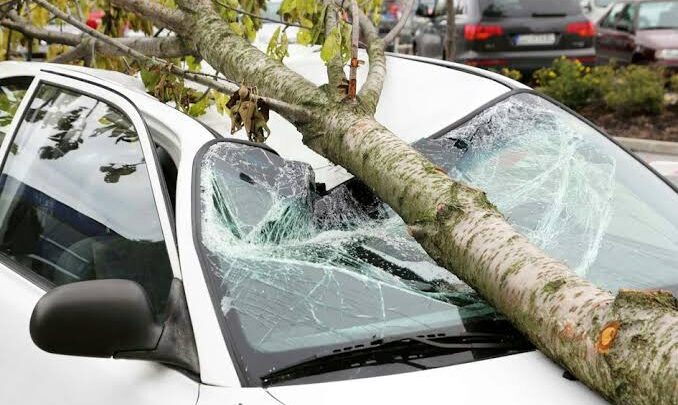
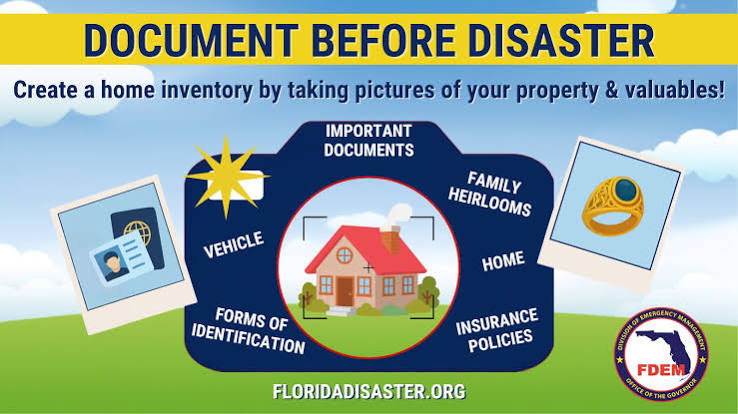
Disasters such as fires, floods, storms, and other unexpected events can destroy valuable belongings in minutes. Losing furniture, electronics, clothing, important documents, and personal keepsakes can be emotionally difficult and financially costly.
After a disaster, proving what you owned and estimating its value can also become challenging, especially if receipts and other records have been destroyed.
Creating a home inventory before disaster strikes can make it easier to assess your losses, support an insurance claim, and organize your recovery. The process does not have to be complicated or expensive. With a smartphone and a secure place to store your records, you can build a useful inventory in a few simple steps.
1. Create a List of Your Belongings
Start by listing the items you own, room by room. This approach helps you avoid overlooking possessions stored in cupboards, drawers, garages, or storage areas.
Include major items such as:
- Furniture, beds, and household appliances.
- Televisions, laptops, smartphones, and cameras.
- Clothing, shoes, and personal accessories.
- Kitchen equipment and other household goods.
- Jewellery, artwork, and valuable collections.
- Tools, sporting equipment, and business equipment kept at home.
You do not need to record every inexpensive item individually. Group similar everyday belongings together where appropriate, but list expensive or distinctive possessions separately.
The objective is to create a realistic picture of what you own and what it might cost to replace.
2. Take Clear Photos and Videos
Photographs and videos provide visual evidence of your belongings before a disaster occurs.
Walk through each room and photograph furniture, appliances, electronics, and other valuable possessions. You can also record a video while describing the items you see.
For expensive belongings, take close-up photographs that show identifying details, such as a brand name, model number, serial number, or distinctive feature.
Make sure the images are clear enough to identify the items. For larger collections, photograph the overall arrangement and then take additional pictures of valuable pieces.
Date your records where possible and update them when you purchase, sell, or replace important belongings.
3. Keep Receipts and Proof of Purchase
Receipts can help establish when you purchased an item and how much you paid for it.
Save paper receipts for expensive purchases, but consider scanning or photographing them so you have digital copies. If you bought something online, download the invoice or save the order confirmation.
Useful records may include:
- Purchase receipts and invoices.
- Warranty documents.
- Bank or mobile payment records.
- Delivery confirmations.
- Valuation certificates for valuable items.
If you no longer have a receipt, do not assume you cannot document the item. Photographs, product details, bank records, and other evidence may still help establish ownership and value.
4. Record Important Details About Valuable Items
For high-value possessions, a photograph alone may not provide enough information.
Create a record for each item that includes its description, brand, model, serial number, approximate purchase date, and estimated value.
For example, a laptop record might include its manufacturer, model, serial number, purchase price, and a photograph showing its condition.
For jewellery, artwork, antiques, and collectibles, consider obtaining a professional valuation when appropriate.
These details can help distinguish your belongings from similar items and make it easier to estimate the value of a loss.
5. Store Your Records Somewhere Safe
Your inventory will be less useful if it is destroyed in the same disaster as your belongings.
Avoid keeping the only copy on a computer, phone, or external drive located inside your home.
Instead, store digital copies in a secure cloud account or another location separate from the property being documented. You may also keep a backup on an encrypted external drive stored safely elsewhere.
Protect sensitive information with strong passwords and appropriate security settings. Avoid publicly sharing photographs that reveal valuable possessions, security arrangements, or private details about your home.
For important paper documents, consider keeping copies with a trusted person or in another secure location.
6. Check Your Insurance Coverage
Documenting your belongings is particularly helpful if you have home or contents insurance.
Review your policy to understand what is covered, which risks are excluded, and how claims are calculated. Some policies reimburse the depreciated value of belongings, while others may provide replacement-cost coverage subject to their terms.
Pay attention to limits for particular categories, such as jewellery, electronics, cash, or collectibles. Expensive items may require additional coverage or a separate declaration to the insurer.
Your inventory can help you identify whether your current coverage is sufficient and whether certain possessions need special protection.
Remember that documenting an item does not automatically mean it is insured. Coverage depends on your actual policy.
7. Include Important Documents and Essential Information
Disasters can damage paperwork that is difficult to replace.
Make secure digital copies of important documents, including identification records, property documents, insurance policies, warranties, and relevant financial records.
You may also want to record emergency contacts, insurer contact details, policy numbers, and claim instructions.
Store this information securely because it may contain sensitive personal or financial data. Use encryption and avoid keeping unnecessary copies of highly confidential information in easily accessible locations.
For original documents that must be preserved, consider a suitable fire-resistant storage solution or another secure location outside your home.
8. Update Your Inventory Regularly
A home inventory should change as your possessions change.
Review your records at least once a year and after major purchases, renovations, or other significant changes. Remove items you no longer own and add new possessions.
If you purchase an expensive television, replace a laptop, or acquire valuable jewellery, update the inventory while the purchase details are easy to find.
A regular review also gives you an opportunity to reconsider your insurance coverage and check whether your policy limits remain appropriate.
9. Prepare for a Disaster Beyond Documentation
A home inventory is only one part of disaster preparation.
Keep essential supplies available, understand evacuation routes, and know how to contact emergency services in your area. Make sure household members understand where important documents and emergency supplies are stored.
If a disaster occurs, prioritize personal safety. Do not re-enter a damaged building to retrieve belongings or documents until the relevant authorities confirm it is safe.
Once the immediate danger has passed, contact your insurer promptly, follow its instructions, and photograph damage when it is safe to do so. Keep receipts for reasonable emergency expenses and preserve relevant communications.
Final Thoughts
Documenting your belongings before a disaster strikes can save time and reduce uncertainty during an already difficult period. A clear inventory, supported by photographs, receipts, serial numbers, and secure backups, can help you demonstrate what you owned and support an insurance claim.
You do not need expensive software or special equipment to get started. A smartphone, a simple spreadsheet, and a secure backup location may be enough for a useful first inventory.
The best time to document your belongings is before you lose them. A little preparation today can make recovery easier tomorrow.