Insurance can provide valuable financial protection when unexpected damage affects your home, vehicle, or business. However, many policyholders are surprised to discover that their insurer may refuse to pay for damage caused by poor maintenance.
A leaking roof, a neglected plumbing system, worn-out car parts, or faulty electrical wiring can lead to expensive repairs. Whether insurance covers these problems depends on how the damage occurred, the type of policy you have, and the exclusions written into your contract.
Understanding the difference between unexpected damage and problems that develop over time can help you avoid costly surprises when making a claim.
1. Why Insurance Often Excludes Poor Maintenance
Insurance is generally designed to protect against specified unexpected events, rather than the ordinary costs of maintaining property or equipment.
Poor maintenance can allow small problems to develop into major damage. For example, a minor roof leak may eventually cause extensive water damage if it is ignored for months.
Many insurance policies exclude damage resulting from neglect, gradual deterioration, wear and tear, or failure to carry out necessary repairs.
These exclusions help distinguish insured losses from routine maintenance expenses that owners are generally responsible for.
However, the exact wording of your policy matters. An insurer should assess the circumstances of the loss and the applicable policy terms rather than assume that every maintenance-related incident is automatically excluded.
2. Home Insurance and Poor Maintenance
Home insurance may cover certain sudden and accidental damage, but it commonly excludes problems caused by gradual deterioration or neglected repairs.
Consider a roof that has developed cracks over several years. If rainwater gradually enters through the damaged roof and ruins the ceiling, the insurer may decline the claim if the policy excludes gradual water damage or neglect.
Similarly, damage caused by long-term plumbing leaks, untreated dampness, or deteriorating building materials may fall outside the policy’s coverage.
However, an unexpected event may be treated differently. For example, a sudden storm could damage a previously well-maintained roof, potentially resulting in a covered claim if the policy includes that risk and no exclusion applies.
The important distinction is often between the underlying maintenance problem and the resulting damage.
3. Does Car Insurance Cover Poor Maintenance?
Vehicle insurance also has limitations when damage results from neglected maintenance.
For example, comprehensive motor insurance generally does not pay for ordinary engine wear, worn brake pads, or mechanical problems caused by failing to service a vehicle as required.
If an engine fails because the owner repeatedly ignored low oil levels, the insurer may reject the claim under applicable exclusions.
However, if a vehicle is damaged in a covered accident, the insurer may pay for eligible accident-related repairs even if the vehicle has other maintenance issues. The outcome depends on the circumstances and policy wording.
Regular servicing, checking fluid levels, maintaining tyres, and repairing warning signs promptly can help reduce the risk of mechanical failures and insurance disputes.
4. What About Sudden Damage Linked to an Existing Problem?
One of the most complicated situations occurs when an unexpected event interacts with an existing maintenance issue.
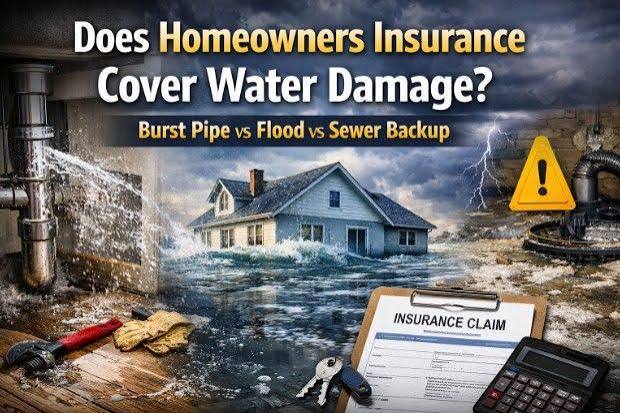
Imagine a property owner has an old, deteriorating pipe. The pipe suddenly bursts and floods part of the house.
Will the insurer pay?
The answer depends on the policy, the condition of the pipe, the cause of the failure, and the nature of the resulting damage. Some policies exclude the cost of repairing the faulty pipe but may cover certain resulting water damage. Others apply different restrictions or exclusions.
Similarly, a storm might expose an existing roof defect, making it difficult to determine which damage resulted from the storm and which existed beforehand.
Photographs, repair records, professional assessments, and the insurer’s investigation may help establish what happened.
Do not assume that the entire claim is automatically covered or automatically excluded simply because maintenance was involved.
5. Business Insurance and Equipment Maintenance
Businesses also face insurance problems when equipment is poorly maintained.
Machinery, refrigeration systems, electrical installations, and production equipment often require regular inspection and servicing. Ignoring maintenance can increase the likelihood of breakdowns, fires, and operational interruptions.
Depending on the policy, equipment breakdown insurance may cover certain sudden mechanical or electrical failures. However, it may exclude ordinary wear and tear, corrosion, deterioration, or damage caused by neglected servicing.
Business interruption insurance may also have conditions governing whether lost income is covered following an insured event.
Business owners should maintain service records, follow manufacturers’ recommendations, and check whether their policies require specific inspections or maintenance procedures.
6. How Insurers Determine Whether Maintenance Was the Cause
When assessing a claim, an insurer may investigate the cause and timing of the damage.
Depending on the incident, this may involve reviewing photographs, repair invoices, inspection reports, service records, or statements from contractors and other witnesses.
The insurer may consider questions such as:
- Was the damage sudden or did it develop gradually?
- Were there warning signs before the incident?
- Had the owner arranged necessary repairs?
- Does the policy specifically exclude the type of damage involved?
- Did an insured event cause the damage, or did poor maintenance cause it?
These details can influence whether the claim is accepted, reduced, or declined.
Policyholders should provide accurate information and preserve relevant evidence. If an insurer rejects a claim, request a written explanation identifying the policy provisions and facts supporting its decision.
7. How to Reduce the Risk of a Rejected Claim
Although insurance cannot eliminate every financial risk, good maintenance practices can help protect your property and support legitimate claims.
Consider these practical steps:
- Follow maintenance schedules: Service vehicles, appliances, and machinery according to appropriate recommendations.
- Repair problems promptly: Address leaks, cracks, unusual noises, warning lights, and electrical faults before they become worse.
- Keep records: Save receipts, inspection reports, service invoices, and proof of completed repairs.
- Photograph important areas: Keep dated photographs of your property’s condition and valuable equipment.
- Review your insurance policy: Understand exclusions, coverage limits, and any maintenance-related requirements.
- Ask questions early: If you are unsure whether a particular risk is covered, request clarification from your insurer in writing.
These precautions can reduce avoidable damage and help establish the condition of your property before an incident occurs.
8. What to Do If Your Claim Is Rejected
A rejected claim does not necessarily mean the insurer’s decision is beyond challenge.
Start by reading the rejection letter and identifying the specific exclusion or policy condition the insurer has relied upon.
Compare that explanation with the policy wording and the available evidence. If you believe the decision overlooks important facts, provide supporting documentation or request a reassessment.
You may also submit a formal complaint through the insurer’s complaints process. If the issue remains unresolved, contact the relevant insurance regulator or dispute-resolution body in your country.
Keep copies of all correspondence and pay attention to any deadlines for challenging the decision.
Final Thoughts
Insurance may cover certain sudden and unexpected losses, but damage caused by poor maintenance is frequently excluded or restricted. The outcome depends on the policy, the cause of the damage, and the circumstances surrounding the incident.
Regular maintenance is therefore an important part of protecting your finances. It can help prevent avoidable damage, preserve the value of your property, and reduce disputes when you need to make an insurance claim.
Before purchasing or renewing a policy, read its exclusions carefully and ask your insurer to explain any unclear conditions.
Insurance is designed to protect you against covered risks, not to replace routine maintenance. Taking care of your property and understanding your policy can help you avoid expensive surprises.