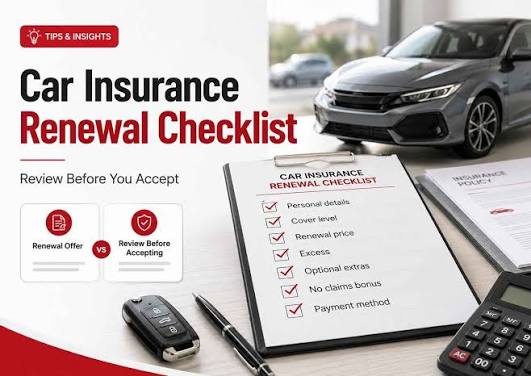
Renewing an insurance policy may seem like a simple task, but paying without reviewing the details can lead to unnecessary expenses, inadequate coverage, or unexpected problems when making a claim. Whether you are renewing car, health, home, travel, or business insurance, taking a few minutes to check your policy can help you make a better decision.
Before paying for another year of coverage, use this practical checklist to ensure your insurance still meets your needs.
1. Review Your Current Insurance Coverage
Start by checking what your existing policy covers. Your circumstances may have changed since you first purchased the insurance, and the coverage that worked last year may no longer be sufficient.
For example, you might have bought a new vehicle, moved to a different home, started a business, or experienced changes in your family.
Review the policy’s coverage limits, insured items, and benefits. Make sure the protection still matches your current situation.
2. Compare the Renewal Price With Other Options
Insurance premiums can increase at renewal because of changes in risk, claims history, market conditions, or the insurer’s pricing.
Before paying, compare the renewal quote with offers from other reputable insurance providers. Look beyond the headline price and check whether each policy offers comparable coverage, exclusions, deductibles, and benefits.
A cheaper policy may save money initially but could leave you responsible for more expenses if something goes wrong.
3. Check for Changes in Policy Terms
Never assume that your renewed policy will have exactly the same terms as the previous one.
Read the renewal notice and policy documents carefully. Look for changes to coverage limits, waiting periods, deductibles, claim procedures, and special conditions.
If anything is unclear, ask the insurance company or agent to explain it in writing before you pay.
Understanding these changes can help prevent unpleasant surprises when you need to use your insurance.
4. Understand Exclusions and Limitations
Every insurance policy has exclusions—situations or losses that it does not cover. These exclusions can significantly affect the protection you receive.
For example, a health insurance policy may exclude certain treatments, while a vehicle policy may have specific conditions concerning unauthorized drivers or vehicle use.
Review the exclusions and any coverage limitations. If you need protection for a particular risk, confirm that it is included or ask whether additional coverage is available.
5. Check Your Deductible and Out-of-Pocket Costs
A deductible is the amount you may have to pay yourself before your insurer covers an eligible claim. Some policies also include co-payments, excess charges, or other out-of-pocket expenses.
Check whether these amounts have changed during renewal.
A policy with a lower premium may have a higher deductible, meaning you could pay more when making a claim. Consider whether you could comfortably afford these expenses in an emergency.
6. Confirm Your Personal and Policy Details
Incorrect information can cause delays or complications during the claims process.
Before renewing, verify your name, contact details, address, vehicle registration, insured property information, beneficiaries, and other relevant records.
For business insurance, confirm that the business activities, equipment, employees, and declared values are still accurate.
Ask your insurer to correct any mistakes before completing the renewal.
7. Review Your Claims History
Your claims history may influence your premium, eligibility, or renewal conditions, depending on the type of insurance and the provider.
Check that the insurer’s records accurately reflect your previous claims. If a claim has been settled or closed, confirm that the relevant information is correct.
You can also consider whether your experience with the insurer has been satisfactory, including how efficiently it handled previous claims and responded to questions.
8. Check the Insurer’s Reputation
An insurance policy is only useful if the provider can deliver the benefits promised under its terms.
Research the insurer’s reputation, customer service, and claims-handling process. Check whether it is properly licensed by the relevant regulator in your country.
If you are in Tanzania, you can consult the Tanzania Insurance Regulatory Authority (TIRA) for information about insurance regulation and authorized providers.
Do not rely solely on advertisements or recommendations from friends. Independent information and clear policy documents can help you make a more informed choice.
9. Confirm the Renewal Deadline and Payment Method
Missing a renewal deadline may cause your coverage to lapse, potentially leaving you uninsured. Some policies have specific grace-period rules, while others may not provide continued protection after expiry.
Check the exact expiry date and confirm when the renewed coverage becomes effective.
Pay through an official, verifiable payment channel, and keep your receipt, policy documents, and confirmation of coverage. If you pay through an agent, verify that the agent is authorized to collect payments.
Never assume that making a payment automatically means your renewed policy is active.
10. Ask Questions Before You Pay
If anything about the renewal is unclear, contact your insurer before making payment.
Ask whether the premium includes all applicable charges, whether coverage has changed, how to make a claim, and what documents you may need if an insured event occurs.
Request written confirmation of important answers. Keeping a record can help you resolve misunderstandings later.
Final Thoughts
Renewing insurance should involve more than simply paying the next premium. A careful review of your coverage, price, exclusions, deductibles, policy details, and insurer can help you avoid costly mistakes.
Before making your next payment, take a few minutes to work through this checklist. If the policy no longer meets your needs, compare suitable alternatives and confirm that any replacement coverage will begin before your existing protection ends.
The best insurance policy is not necessarily the cheapest one—it is the one that offers suitable protection, clear terms, and dependable service at a price you can afford.