Applying for insurance is an important step toward protecting yourself, your family, your property, or your business against unexpected financial losses. However, choosing the right policy is only part of the process. The information you provide on your application can also determine whether your coverage works as expected when you need it.
Insurance companies use application details to assess risk, calculate premiums, determine eligibility, and decide which terms should apply to a policy. If the information you provide is incomplete, outdated, or incorrect, it may lead to problems later—including disputes over claims.
Understanding why accuracy matters can help you avoid costly mistakes and make more informed insurance decisions.
1. Accurate Information Helps Insurers Assess Risk
Insurance companies evaluate the risks associated with each application before offering coverage. The information they collect helps them estimate the likelihood and potential cost of a future claim.
For example, when applying for motor insurance, an insurer may ask about your vehicle’s make, model, age, usage, and driving history. These details can influence the premium and the type of coverage available.
Similarly, a property insurance application may ask about the building’s construction, location, security features, and intended use.
Providing incorrect details can cause the insurer to assess the risk inaccurately. This may result in an unsuitable policy, an incorrect premium, or complications if a claim occurs.
Accurate answers help the insurer make a more appropriate assessment of your circumstances.
2. Incorrect Information Can Affect Your Insurance Premium
Your insurance premium is often calculated using information about your circumstances and the risks being insured.
If you provide inaccurate details, you might receive a quote that does not reflect the actual risk.
For example, someone applying for motor insurance might incorrectly describe a vehicle used regularly for business purposes as a private-use vehicle. Depending on the insurer’s rules, the difference could affect the premium or eligibility for certain coverage.
If the error is discovered later, the insurer may need to recalculate the premium or review the policy under its terms and applicable law.
Providing accurate information from the beginning helps you understand the real cost of coverage and reduces the likelihood of unexpected adjustments.
3. Accurate Applications Can Help Prevent Claim Disputes
One of the most important reasons to provide correct information is to reduce the risk of disagreements when making a claim.
Suppose you insure a building and provide incorrect information about how it is used. If the building is later damaged, the insurer may investigate whether the information affected the policy or the claim.
Depending on the circumstances, the policy terms, and local law, an inaccurate statement could lead to a delayed claim, an adjusted payment, a disputed claim, or other consequences.
Not every mistake automatically invalidates insurance. The outcome can depend on whether the information was material to the insurer’s decision, whether it was intentional, and what remedies the law permits.
The safest approach is to answer questions carefully and correct errors as soon as you discover them.
4. Disclose Relevant Medical and Health Information
When applying for health or life insurance, you may be asked questions about medical history, existing conditions, medications, previous treatments, or other health-related matters.
Answer the questions honestly and follow the application instructions. Do not assume that a medical condition is irrelevant simply because it is controlled, treated, or has not caused recent problems.
For example, if an application asks about a previous diagnosis, leaving it out because you feel healthy today could create difficulties if the insurer later discovers the omission.
However, you should only provide information that is requested or otherwise required under the applicable application process. Ask the insurer or a qualified adviser if you are unsure whether a particular detail must be disclosed.
Accurate information helps the insurer assess the application under the policy’s rules and can reduce uncertainty about future claims.
5. Give Correct Details About Your Property and Belongings
Property insurance depends on accurate information about what is being insured and the risks associated with it.
When applying for home or contents insurance, you may need to provide details about the building, its location, its construction, security measures, occupancy, and the approximate value of your belongings.
For example, significantly understating the value of household contents may leave you with insufficient coverage if a major loss occurs. Depending on the policy, underinsurance can affect the amount paid for a claim.
Likewise, failing to mention a relevant feature of the property could affect the insurer’s assessment.
Keep receipts, photographs, valuation reports, and other records that support the information you provide. These documents can also be useful if you need to make a claim later.
6. Review Your Application Before Signing
Insurance applications can contain many questions, and it is easy to overlook a detail when completing them quickly.
Before submitting an application, take time to review every section.
Check that names, dates, addresses, identification details, vehicle information, property descriptions, and other requested details are correct.
Read declarations carefully, especially statements confirming that your answers are complete and accurate. If an insurance agent or broker completes the application for you, review the final version rather than assuming everything has been entered correctly.
Ask for clarification if a question is confusing or if you are unsure how to answer it.
Keep a copy of the completed application and the documents you submitted. Having these records can help resolve misunderstandings if a question arises later.
7. Update Your Information When Circumstances Change
Accuracy does not end when your insurance policy is issued. Your circumstances may change during the policy period, and some changes may need to be reported to your insurer.
Examples include:
- Moving to a new home or changing the use of a property.
- Modifying a vehicle or beginning to use it for business.
- Making substantial renovations to an insured building.
- Acquiring valuable belongings that may require additional coverage.
- Changing business activities or the nature of an insured risk.
Whether a change must be reported depends on the policy terms and applicable law.
Contact your insurer when a significant change occurs and ask whether your policy needs to be updated. Failing to report a relevant change could affect your coverage or premium.
Keeping your policy details current helps ensure that your insurance reflects your actual circumstances.
8. What Should You Do If You Discover a Mistake?
If you realize that you provided incorrect information, do not ignore it or wait until you need to make a claim.
Contact your insurer or broker promptly, explain the error, and ask how it should be corrected. Provide supporting documents if necessary and request written confirmation of any changes.
For example, if you discover that your vehicle’s registration details were entered incorrectly, notify the insurer and provide the correct information.
The insurer may amend the policy, adjust the premium, request further information, or explain other steps required under its rules.
The consequences depend on the nature of the mistake and the relevant law. Correcting an error promptly does not guarantee that every issue will disappear, but it can help prevent the problem from becoming more complicated.
9. Accuracy Protects Both You and Your Insurer
Insurance relies on information being exchanged between the applicant and the insurer. When that information is reliable, both parties can make better-informed decisions.
You are more likely to understand what you are paying for, while the insurer can assess the risk using the details provided.
Accurate information also makes it easier to compare policies fairly. If you give different insurers inconsistent details, their quotes may not be directly comparable because each may be assessing a different risk.
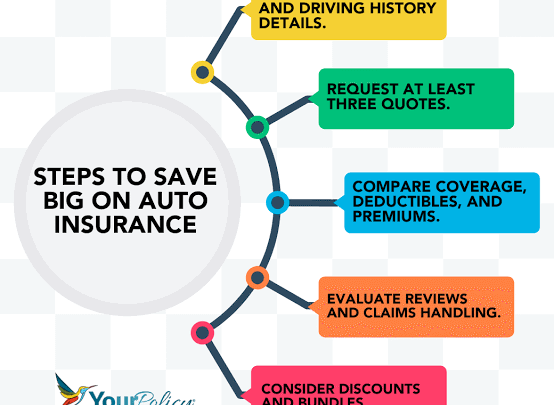
Use the same accurate information when requesting quotes, and compare premiums alongside coverage limits, exclusions, deductibles, and claim conditions.
Remember that the cheapest quote is not necessarily the most suitable policy if it does not provide the protection you need.
Final Thoughts
Providing accurate information when applying for insurance is essential for obtaining suitable coverage and reducing the risk of future disputes.
Incorrect details can affect premiums, eligibility, policy conditions, and claims, although the consequences depend on the circumstances and applicable law.
Take your time when completing applications, review the information before signing, keep copies of your records, and notify your insurer when relevant details change.
Insurance is designed to provide financial protection when unexpected events occur. Giving accurate information from the beginning helps you understand that protection and avoid preventable complications when you need it most.