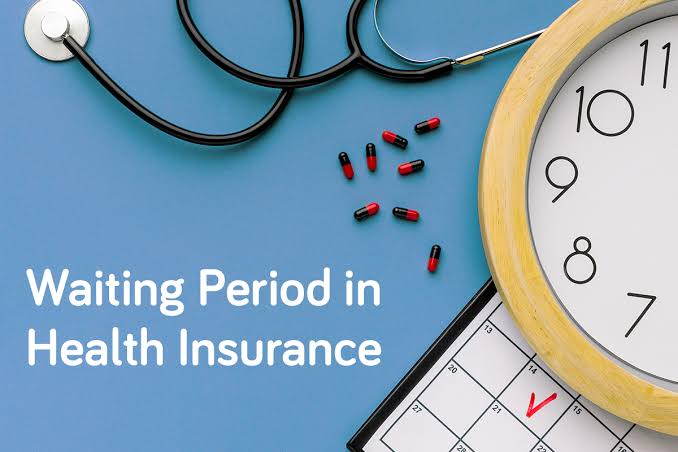
Buying an insurance policy can provide valuable financial protection, but coverage does not always begin immediately. Some policies include a waiting period, which is a specified length of time that must pass before certain benefits become available.
Waiting periods can affect health insurance, life insurance, travel insurance, and other types of coverage. If you do not understand how they work, you could mistakenly assume that a claim is covered when the insurer is not yet required to pay.
Understanding insurance waiting periods can help you choose the right policy, plan for unexpected expenses, and avoid unpleasant surprises when you need financial protection.
1. What Is an Insurance Waiting Period?
An insurance waiting period is a period of time during which certain benefits are not yet available, even though a policy may already be active.
For example, a health insurance policy might cover some medical services immediately but require a waiting period before covering specific treatments or pre-existing conditions.
The length of the waiting period depends on the insurer, the type of policy, the benefit involved, and the applicable regulations.
It is important to distinguish a waiting period from the date your policy starts. Your policy may be active while some benefits remain temporarily unavailable.
Always check the policy wording to understand which benefits are subject to waiting periods and when each period begins.
2. Why Do Insurance Companies Use Waiting Periods?
Insurance companies use waiting periods for several reasons, depending on the type of coverage.
One reason is to reduce the risk of people purchasing insurance only when they already know they need an expensive service or expect an imminent loss.
For example, without restrictions, someone might try to purchase health coverage immediately before receiving a planned treatment. A waiting period for that benefit can help insurers manage this risk.
Waiting periods can also be part of the product’s design, particularly when coverage involves predictable events or specific benefits.
However, waiting periods are not universal. Some policies provide immediate coverage for certain risks, while others apply different waiting periods to different benefits.
Understanding why a waiting period exists can help you compare policies more accurately rather than judging coverage by the premium alone.
3. How Long Can an Insurance Waiting Period Last?
There is no single waiting period that applies to every insurance policy.
Depending on the policy and benefit, a waiting period might last a few days, several weeks, or multiple months. Some specialized benefits may have longer restrictions.
For example, a health insurance plan might impose one waiting period for routine maternity benefits and another for specified pre-existing conditions. A different insurer may use different terms or offer a product with fewer restrictions.
The length may also depend on local insurance regulations and the type of coverage purchased.
When comparing policies, ask the insurer to identify each waiting period in writing. Do not rely on general statements such as “coverage starts immediately” unless you understand exactly which benefits that statement includes.
4. Waiting Periods in Health Insurance
Health insurance is one of the most common areas where waiting periods apply.
Depending on the policy, certain medical services, maternity benefits, specialist treatments, or pre-existing conditions may be subject to restrictions before coverage becomes available.
For example, someone who purchases a policy today might have access to some covered medical services immediately but need to wait before receiving a particular elective treatment.
Emergency care and other benefits may be treated differently, depending on the policy and local law.
If you have ongoing medical needs, check whether the conditions and treatments relevant to you are covered, excluded, or subject to waiting periods.
Also ask whether switching insurers or moving from one plan to another affects the waiting period. Some insurance arrangements may recognize previous coverage, while others may impose new restrictions.
5. Waiting Periods in Life Insurance
Some life insurance policies include waiting periods or limited initial benefits under specific circumstances.
For example, certain policies may restrict the death benefit during an initial period, particularly for particular causes of death or policy types. Some policies may provide only a return of premiums or another limited benefit if the insured person dies during that period, subject to the contract.
However, these conditions vary significantly. Many conventional life insurance policies do not impose a general waiting period on all covered deaths.
It is therefore important to examine the policy’s exclusions, initial coverage conditions, and benefit provisions before purchasing it.
Ask the insurer what would happen if the insured person died shortly after the policy became effective and whether different rules apply to accidental and non-accidental deaths.
6. Waiting Periods in Other Types of Insurance
Waiting periods can also appear in other insurance products, although the rules differ.
Travel insurance: Some benefits may depend on when the policy was purchased, when the trip begins, or whether a specific event occurs after coverage starts.
Disability insurance: Benefits may have an elimination period, which is the time an insured person must remain disabled before payments begin.
Pet insurance: Certain illnesses, injuries, or treatments may not be covered until an initial waiting period has passed.
Property insurance: Some policies or specialized coverage arrangements may include waiting periods for particular risks or benefits.
These examples are not interchangeable. A disability insurance elimination period, for instance, often determines when income benefits start after a qualifying disability, rather than whether the policy itself is active.
Read the specific terms of your policy to understand the rules that apply.
7. What Happens If You Make a Claim During the Waiting Period?
If you submit a claim for a benefit that is still subject to a waiting period, the insurer may decline that claim under the policy terms.
However, this does not necessarily mean every claim submitted during the waiting period will be rejected.
A policy may cover some benefits immediately while restricting others. The outcome depends on the event, the applicable benefit, the policy wording, and relevant law.
For example, if a health policy covers consultations from the start but imposes a waiting period for a particular treatment, a claim for a covered consultation may be treated differently from a claim for that treatment.
If your claim is declined, request a written explanation identifying the relevant policy provision. Review the decision and use the insurer’s complaint or appeal process if you believe the waiting period was applied incorrectly.
8. Can You Avoid or Reduce an Insurance Waiting Period?
Sometimes, but your options depend on the insurer and policy.
Some insurers offer products with shorter waiting periods or different terms at a different premium. Certain plans may recognize continuous previous coverage, waive particular waiting periods, or provide special arrangements for eligible applicants.
However, waivers are not guaranteed, and not every type of waiting period can be removed.
Before switching policies, ask whether you would need to serve a new waiting period and whether your existing benefits would remain protected during the transition.
Never cancel an existing policy until you have confirmed when replacement coverage begins and which benefits will be available.
If you are purchasing insurance for an upcoming event or planned expense, arrange coverage as early as practical rather than assuming a policy bought today will cover the expense tomorrow.
9. How to Choose a Policy With Suitable Waiting Periods
Waiting periods should be part of your insurance comparison, alongside premiums, coverage limits, exclusions, and deductibles.
Before buying a policy:
- Ask for a list of all waiting periods that apply to the benefits you need.
- Confirm when each period begins and ends.
- Check whether pre-existing conditions or planned treatments are affected.
- Find out whether emergency benefits have different rules.
- Ask whether previous coverage can reduce or eliminate any waiting period.
- Review cancellation rules before replacing an existing policy.
- Keep a copy of the policy wording and written answers from the insurer.
If the wording is unclear, request an explanation before signing or paying. A lower premium may not be worthwhile if the benefits you need are unavailable when you expect to use them.
Final Thoughts
Insurance waiting periods determine when certain benefits become available and can significantly affect the protection a policy provides.
The important thing to remember is that a waiting period does not always mean your entire policy is inactive. Different benefits may have different start dates, exclusions, and eligibility requirements.
Before purchasing insurance, understand how long you must wait, which claims are affected, and whether your previous coverage makes a difference.
The best time to understand your insurance waiting period is before you need to make a claim. Taking a few minutes to review the terms can help you choose suitable coverage and avoid unexpected financial difficulties later.