Imagine waking up in the morning and finding that your alarm has adjusted to your sleep schedule, your coffee machine has prepared your favorite drink, and your thermostat has set the room to a comfortable temperature. Meanwhile, your smartwatch has recorded your heart rate, and your refrigerator has detected that some groceries are running low.
These experiences may sound futuristic, but many are already possible thanks to a technology known as the Internet of Things, or IoT.
The Internet of Things is changing how people interact with homes, workplaces, vehicles, healthcare systems, and even entire cities. By connecting everyday physical objects to the internet, IoT allows devices to collect information, communicate with other systems, and sometimes perform tasks automatically.
Although this technology offers convenience and efficiency, it also raises important questions about privacy, security, cost, and how much control people should give connected devices.
So, what exactly is the Internet of Things, how does it work, and why is it becoming increasingly important in modern life? Here is everything you need to know.
1. What Is the Internet of Things?
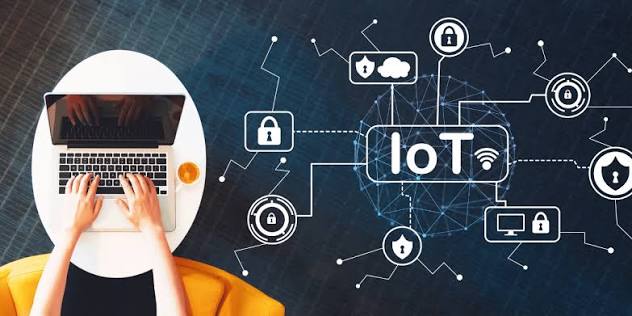
The Internet of Things refers to a network of physical objects equipped with technologies that allow them to collect data, communicate, and perform connected functions.
These objects can include household appliances, wearable devices, vehicles, industrial machines, agricultural equipment, environmental sensors, and medical monitoring devices.
Unlike traditional electronic equipment that operates independently, many IoT devices can share information with mobile applications, other devices, or cloud-based computer systems.
For example, a conventional thermometer simply displays the temperature. A connected thermometer can send temperature readings to your smartphone, notify you when a room becomes too hot, or communicate with a compatible cooling system.
Similarly, a standard security camera records video, while an internet-connected camera may send alerts when it detects movement.
The essential idea is simple: IoT connects physical objects to digital systems so that information can be collected and used to make decisions or perform actions.
Not every connected device is fully autonomous. Some require a person to approve actions, while others can operate automatically according to programmed rules.
2. How Does the Internet of Things Work?
<AsyncImage query=”smart home Internet of Things connected devices sensors smartphone network illustration” aspectRatio=”16:9″ width=”100%” />
Although IoT devices vary widely, most systems rely on a combination of hardware, connectivity, software, and data processing.
Here is how the process generally works.
Step 1: A sensor collects information.
A device uses sensors to measure something in its surroundings. These measurements might include temperature, movement, humidity, location, light levels, pressure, or heart rate.
Step 2: The device transmits the data.
The information travels through a communication method such as Wi-Fi, Bluetooth, cellular networks, or another suitable wireless technology.
Some devices send information directly to the internet, while others communicate through a local hub or gateway.
Step 3: Software processes the information.
A mobile application, local computer, or cloud service interprets the data. Depending on the system, it may compare the measurements with predefined limits or use more advanced analytical models.
Step 4: The system provides a response.
The response might be a notification, a report, or an automatic action. For example, a connected irrigation system could activate a valve when soil moisture falls below a selected level.
Step 5: The system continues monitoring.
Many IoT devices repeatedly collect information, allowing the system to respond when conditions change.
Some processing takes place directly on the device, a method known as edge computing. This can reduce delays and limit how much data must be sent to external servers.
Together, these components allow ordinary objects to become part of a connected digital environment.
3. Smart Homes Are Making Everyday Life More Convenient
<AsyncImage query=”modern smart home living room connected thermostat smart lighting smartphone control” aspectRatio=”16:9″ width=”100%” />
Smart homes are among the most familiar examples of the Internet of Things.
Connected lights, thermostats, door locks, security cameras, appliances, and motion sensors can communicate through compatible systems to simplify everyday tasks.
For example, smart lighting can be programmed to turn on at a particular time or respond to movement. A connected thermostat can adjust heating or cooling according to a schedule, while a smart doorbell can notify a homeowner when someone approaches the entrance.
Some systems allow users to control appliances remotely through a smartphone. Others support automation, such as turning off selected lights when everyone leaves home.
These features can improve convenience and may help reduce unnecessary energy use when configured appropriately.
However, the benefits depend on the quality of the equipment, the home’s internet connection, compatibility between products, and how the system is configured.
Connected devices can also introduce security risks if users rely on weak passwords, ignore software updates, or leave unnecessary remote-access features enabled.
A smart home is most useful when it solves genuine problems rather than simply adding more devices to an already complicated routine.
4. Wearable Technology Is Helping People Monitor Their Health
<AsyncImage query=”person wearing smartwatch fitness tracker monitoring heart rate outdoor” aspectRatio=”16:9″ width=”100%” />
Wearable devices are another important application of IoT.
Smartwatches, fitness bands, and certain medical monitoring devices contain sensors that measure information about the body or a person’s activity.
Depending on the device, these measurements may include heart rate, steps, estimated sleep duration, movement patterns, and blood oxygen estimates.
The information can be displayed on a smartphone, helping users recognize patterns and monitor changes over time.
For example, a fitness tracker may help someone understand how much they walk each day. A connected medical device may also transmit selected measurements to a healthcare professional, depending on the device and service.
In healthcare, remote monitoring systems can support care for some patients by allowing clinicians to review information without requiring every measurement to be taken during an in-person visit.
However, wearable devices have limitations. Their measurements are not always precise, and results can be affected by movement, device fit, skin characteristics, and the technology used.
A smartwatch should not automatically be treated as a medical diagnostic tool. Unusual readings or concerning symptoms may require professional assessment, even when a device reports normal results.
IoT can support health awareness and monitoring, but it does not replace qualified medical care.
5. Smart Agriculture Is Helping Farmers Use Resources More Efficiently
<AsyncImage query=”smart agriculture field soil moisture sensor precision farming crops irrigation” aspectRatio=”16:9″ width=”100%” />
Agriculture is becoming increasingly connected as farmers look for ways to manage water, soil, crops, and livestock more effectively.
IoT sensors can measure soil moisture, temperature, humidity, and other environmental conditions. Farmers can use this information to make more informed decisions about irrigation and crop management.
For example, a soil moisture sensor may indicate that a particular section of a field needs water. When connected to a suitable irrigation system, it can help activate watering equipment according to predefined conditions.
Connected livestock monitoring devices may also help farmers track animal location, movement, or selected health indicators.
Weather stations and environmental sensors can provide information that supports decisions about planting, watering, and protecting crops from unfavorable conditions.
These technologies may help reduce water waste, improve monitoring, and identify problems earlier.
Nevertheless, smart agriculture is not equally accessible everywhere. Sensors, connectivity, maintenance, and technical support can be expensive, particularly for small-scale farmers.
Reliable equipment and locally appropriate recommendations are essential. A sensor reading is most useful when it is accurate and interpreted in the context of the crop, soil, weather, and farming practices.
6. Connected Vehicles Are Changing Transportation
Modern vehicles increasingly use connected systems to exchange information with navigation services, mobile applications, and other digital platforms.
These systems can support features such as live traffic updates, vehicle location tracking, remote diagnostics, emergency assistance, and maintenance alerts.
For instance, a connected vehicle may detect an engine-related fault and display a warning before the problem becomes more serious. A fleet manager may use vehicle tracking to understand where delivery vehicles are and how efficiently routes are being completed.
In some settings, vehicles can communicate with road infrastructure or other vehicles to share information relevant to traffic conditions and safety. These capabilities are often described as vehicle-to-everything communication.
Connected transportation systems may help improve logistics, reduce certain delays, and support better use of road networks.
However, connected vehicles also collect sensitive information, including location data and driving patterns. If this information is poorly protected, it may create privacy or security risks.
Connectivity also does not mean a vehicle is fully autonomous. Many connected features provide information or assistance while the driver remains responsible for operating the vehicle.
The long-term impact of IoT in transportation will depend on reliable communications, cybersecurity, infrastructure, and clear rules for handling vehicle data.
7. Businesses and Factories Are Becoming Smarter
The Internet of Things is especially valuable in industries where equipment operates continuously and unexpected breakdowns can be costly.
Factories can use sensors to monitor machinery, temperature, vibration, pressure, and other operating conditions.
This information helps engineers understand how equipment is performing and identify unusual patterns.
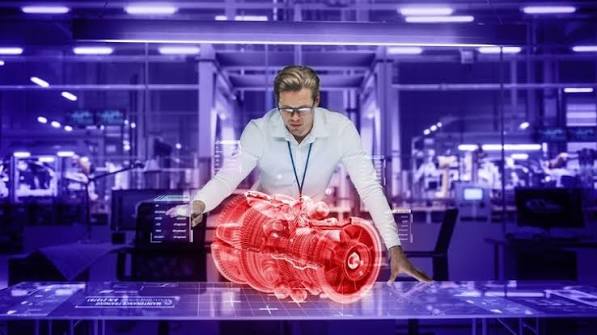
One important application is predictive maintenance. Rather than servicing every machine according to a fixed schedule or waiting until something breaks, companies can analyze equipment data to estimate when maintenance may be needed.
For example, an industrial motor that begins vibrating differently from normal may indicate a developing mechanical problem. Monitoring systems can flag the change so that technicians can investigate.
Connected equipment can also help businesses monitor energy consumption, track inventory, manage production, and improve quality control.
Warehouses may use connected sensors to monitor storage conditions, while logistics companies can track shipments as they move through supply chains.
These applications can reduce downtime and improve efficiency when implemented effectively.
However, industrial IoT systems require careful planning. Equipment may need to work reliably for many years, and connecting older machinery can be technically difficult. Poorly secured devices can also create pathways into important business networks.
The greatest benefits occur when reliable sensor data is combined with sound engineering, trained workers, and appropriate maintenance procedures.
8. IoT Is Helping Cities Manage Resources and Infrastructure
Cities face growing challenges involving traffic congestion, waste collection, water management, electricity use, and public infrastructure.
Connected sensors can help local authorities gather information about these systems and respond more effectively.
For example, smart streetlights may adjust their brightness according to movement or environmental conditions. Connected waste containers can report when they are approaching capacity, potentially helping waste collection services plan more efficient routes.
Water monitoring systems can identify unusual pressure changes or flow patterns that may indicate leaks. Traffic sensors can provide information about congestion, allowing transport managers to adjust signal timing or improve traffic planning.
Environmental sensors can also measure conditions such as air quality, temperature, and noise levels.
These systems may help cities identify problems and allocate resources more efficiently.
However, the effectiveness of smart-city technology depends on more than installing sensors. Local authorities need dependable infrastructure, skilled personnel, maintenance budgets, and clear plans for using the collected information.
Cities must also consider privacy and public accountability, particularly when connected systems monitor movement or collect information that could identify individuals.
Smart-city projects should aim to improve public services while protecting residents’ rights and ensuring that the benefits are widely shared.
9. The Main Benefits of the Internet of Things
IoT offers several potential advantages across homes, businesses, healthcare, agriculture, and public infrastructure.
Greater convenience: People can monitor and control compatible devices remotely, reducing the need to perform certain tasks manually.
Improved efficiency: Automated systems can adjust lighting, irrigation, machinery, or other processes according to changing conditions.
Real-time monitoring: Sensors can provide up-to-date information about equipment, environments, and selected health measurements.
Earlier problem detection: Changes in sensor readings can alert users to possible equipment failures, leaks, or other problems before they become more serious.
Better decision-making: Data collected over time can help individuals and organizations identify patterns and evaluate their operations.
Potential resource savings: Properly configured systems may reduce unnecessary water use, energy consumption, maintenance, and wasted materials.
Remote access: Connected devices can allow people to monitor certain systems from locations far away, provided the necessary connectivity and services are available.
Despite these advantages, IoT does not guarantee lower costs or better performance in every situation. Devices require electricity, maintenance, connectivity, and sometimes subscription fees.
A well-designed system should provide benefits that justify its financial and environmental costs.
10. What Are the Risks and Challenges of IoT?
As more objects connect to the internet, the consequences of poor security, unreliable software, and excessive data collection become increasingly important.
Privacy concerns
Many connected devices collect information about people’s routines, locations, activities, and surroundings.
A smart speaker, for example, may process voice commands, while a security camera can record activity around a home. Depending on the product, some information may be transmitted to external servers or retained by a service provider.
Users should understand what data a device collects, how it is used, and how long it is stored.
Cybersecurity threats
Poorly secured IoT devices can be targeted by attackers. Weak passwords, outdated software, and insecure network settings can expose devices to unauthorized access.
Compromised devices may reveal private information, disrupt services, or be used as part of larger cyberattacks.
Compatibility problems
Devices from different manufacturers may not work together smoothly. Some products depend on particular applications, hubs, or online services.
If a manufacturer stops supporting a product, certain connected features may become unavailable even when the physical device still works.
Dependence on connectivity
Some IoT features require a working internet connection or an external service. An outage may prevent remote monitoring or automation from functioning as expected.
Cost and electronic waste
Buying connected equipment can be expensive, and some devices need regular replacement or ongoing subscriptions. Discarded electronics can also contribute to environmental waste.
These challenges do not mean IoT should be avoided altogether. They show why security, compatibility, cost, and long-term support should be considered before buying connected products.
11. How to Use IoT Devices More Safely
You do not need to be a technology expert to reduce the risks associated with connected devices. A few practical steps can improve security and privacy.
Use strong, unique passwords. Avoid reusing the same password across multiple devices and accounts. Enable multifactor authentication when available.
Install software updates. Updates may fix security weaknesses, improve reliability, and correct software problems.
Secure your home network. Use modern Wi-Fi security settings and a strong router password. Where practical, place less-trusted smart devices on a separate guest or IoT network.
Review privacy settings. Check whether a device collects audio, video, location, or other personal information. Disable unnecessary data collection and permissions when possible.
Buy from reputable manufacturers. Look for clear information about security updates, product support, privacy practices, and how long the device is expected to receive updates.
Disable unused features. If you do not need remote access or a particular connected function, consider turning it off.
Think carefully before connecting sensitive systems. Devices that control doors, alarms, medical equipment, or other important functions deserve particular attention to security and reliability.
Plan for failures. Consider what will happen if the internet goes down, a battery fails, or a manufacturer stops supporting a product. Important functions should have appropriate manual alternatives where possible.
These measures can help you enjoy the benefits of connected technology without overlooking its risks.
12. What Does the Future of the Internet of Things Look Like?
The Internet of Things is likely to become more integrated into everyday technology as sensors become smaller, connectivity improves, and devices gain better capabilities for processing information.
One important development is the combination of IoT with artificial intelligence. Sensors can collect information, while AI systems analyze it to identify patterns, make predictions, and recommend or initiate actions.
For example, a connected building could use occupancy sensors and energy data to adjust heating, cooling, and lighting. An industrial system could combine equipment measurements with predictive models to help identify developing faults.
Advances in communication technologies may also support applications that require faster responses or more reliable connections. Meanwhile, improvements in low-power electronics could make it easier to deploy sensors in remote areas where replacing batteries frequently would be difficult.
Agriculture may benefit from more affordable monitoring systems, while healthcare could see further development of remote monitoring tools for selected patients and conditions.
However, the future of IoT will not depend on technology alone. Security standards, privacy protections, affordability, energy consumption, and reliable maintenance will all influence how widely it is adopted.
It is also important to remember that more connectivity is not always better. Some tasks are best handled by simple devices that operate reliably without collecting personal data or requiring an internet connection.
The most successful IoT applications will likely be those that solve meaningful problems safely, affordably, and consistently.
Final Thoughts
The Internet of Things is transforming ordinary objects into connected tools that can collect information, communicate, and respond to changing conditions. From smart homes and wearable devices to precision agriculture, industrial equipment, and city infrastructure, IoT is changing how people monitor their surroundings and manage resources.
Its benefits include convenience, improved efficiency, real-time monitoring, and better-informed decisions. At the same time, privacy concerns, cybersecurity threats, compatibility problems, and costs must be addressed carefully.
You do not need to connect every object in your life to benefit from this technology. The best starting point is to identify a genuine need and choose a reliable device that addresses it without introducing unnecessary complexity.
As IoT continues to develop, its value will depend on how responsibly people design, deploy, and use connected systems.
The real power of the Internet of Things is not simply making everyday objects smarter—it is helping people use information to make everyday life safer, more efficient, and more convenient.