Factories around the world are changing as robots become more advanced, flexible, and intelligent. Instead of working separately from people, modern robots are increasingly designed to collaborate directly with human workers. This approach, known as human-robot collaboration, could transform manufacturing by improving productivity, enhancing workplace safety, and helping businesses respond to changing demands.
As artificial intelligence, sensors, and automation technologies continue to develop, the relationship between humans and robots is likely to become an important part of the future of industrial production.
1. What Is Human-Robot Collaboration?
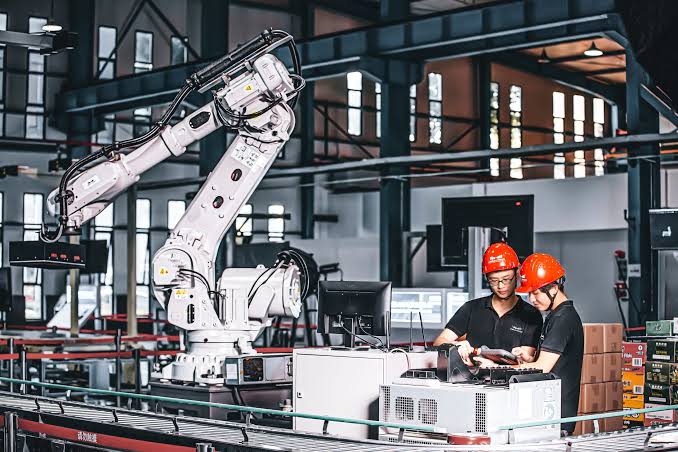
Human-robot collaboration occurs when people and robots work together to complete manufacturing tasks. Unlike traditional industrial robots, which often operate inside safety cages, collaborative robots—commonly called cobots—are designed to work near people when appropriate safety measures are in place.
For example, a robot might lift heavy components while a human worker performs delicate assembly tasks. In another factory, a robot could hold a product steady while an employee installs a small part.
This approach combines the precision and consistency of machines with human creativity, judgment, and adaptability.
2. How Artificial Intelligence Is Improving Collaboration
Artificial intelligence is helping robots understand their surroundings, recognize objects, and adjust their actions based on changing conditions.
Computer vision allows robots to identify components and detect obstacles. Advanced sensors help them recognize nearby workers, while AI-powered systems can assist with planning movements and responding to unexpected situations.
These capabilities could make robots more useful in factories where products, materials, and production requirements frequently change.
However, AI systems still have limitations. They may struggle with unfamiliar objects, unpredictable environments, or complex situations requiring human judgment. Human supervision and appropriate safeguards therefore remain important.
3. Improving Productivity and Product Quality
One major benefit of human-robot collaboration is the ability to combine human skills with machine consistency.
Robots can perform repetitive tasks at a steady pace, helping reduce production delays and maintain consistent quality. Human workers can focus on activities requiring problem-solving, careful inspection, and decision-making.
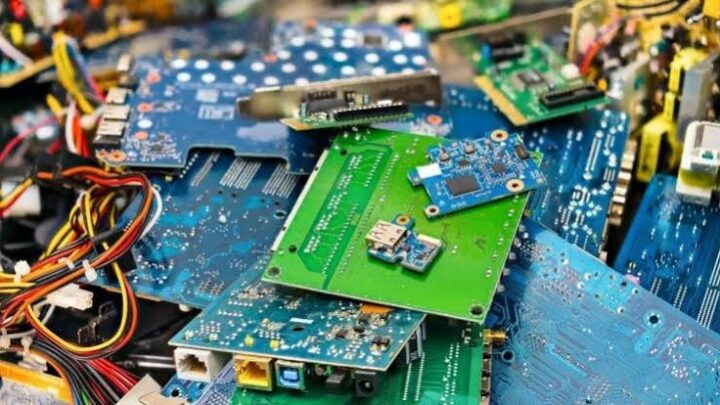
For example, in electronics manufacturing, robots can position tiny components with precision while workers inspect products and handle unusual assembly challenges.
This division of responsibilities may help factories increase output without relying entirely on fully automated production lines.
4. Making Factories Safer for Workers
Manufacturing environments can expose employees to heavy lifting, repetitive movements, dangerous machinery, and physically demanding tasks.
Collaborative robots can take over some of these activities, reducing physical strain and limiting workers’ exposure to certain hazards.
Robots equipped with suitable sensors and safety controls may also slow down or stop when a person enters a restricted area.
Nevertheless, working near robots introduces risks of its own. Proper risk assessments, equipment maintenance, worker training, and emergency procedures are essential. A robot described as collaborative is not automatically safe in every situation.
5. Creating New Skills and Job Opportunities
The growing use of collaborative robots will change the skills factories need.
Workers may increasingly be expected to operate robotic equipment, monitor automated processes, interpret production data, and troubleshoot technical problems. Training in robotics, digital systems, and maintenance could become more valuable.
Automation may also reduce demand for some repetitive tasks while creating opportunities in robotics engineering, programming, system integration, and equipment servicing.
The overall effect on employment will vary by industry, location, and the speed at which businesses adopt new technologies. Helping workers develop new skills will be essential to managing this transition.
6. Challenges Factories Must Overcome
Despite their potential, collaborative robots are not suitable for every task or business.
The initial cost of purchasing equipment, integrating it into existing production lines, and training employees can be significant. Smaller manufacturers may find these expenses difficult to manage.
Cybersecurity is another concern as connected robots exchange information with factory networks and other digital systems. Poorly protected systems could create opportunities for unauthorized access or operational disruption.
Companies must also consider worker privacy, equipment reliability, and the need to maintain human oversight when automated systems make important decisions.
7. What the Future Factory Could Look Like
Future factories may use flexible production systems in which workers and robots adjust their roles as orders and manufacturing needs change.
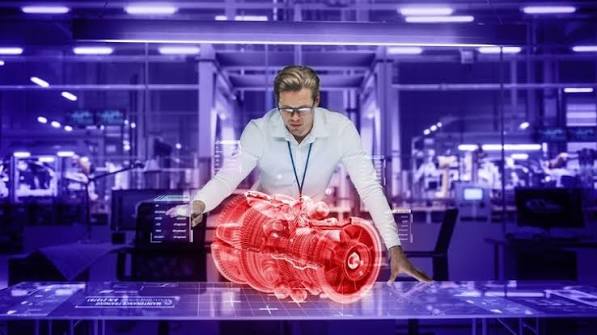
A single robot could potentially be reprogrammed to assist with different tasks rather than remaining dedicated to one repetitive operation. AI systems could help coordinate equipment, identify production problems, and predict when machinery needs maintenance.
Wearable devices and digital instructions may also help workers communicate with machines and receive guidance while performing complex tasks.
These developments could make smaller production facilities more competitive by allowing them to automate selected activities without replacing their entire workforce.
However, progress will depend on affordability, reliable technology, effective safety standards, and the willingness of workers and businesses to adapt.
Final Thoughts
Human-robot collaboration represents an important step toward more flexible and intelligent manufacturing. By combining human experience with robotic precision, factories may become more productive, safer, and better equipped to handle changing customer demands.
The goal is not necessarily to remove people from factories but to help them work more effectively alongside machines. Achieving this future will require investment in technology, strong safety practices, and training that prepares workers for new responsibilities.
As collaborative robots become more capable and accessible, the factories that successfully balance automation with human expertise could gain a significant advantage in the evolving manufacturing industry.