Imagine collecting sunlight in space and transmitting the energy to Earth, where it could help power homes, factories, hospitals, and entire cities. Unlike solar panels on rooftops, which produce less electricity at night and can be affected by clouds, space-based solar power systems could collect sunlight above much of the Earth’s atmosphere.
This concept, known as space-based solar power, has attracted growing interest from scientists, engineers, and energy researchers exploring new ways to produce clean electricity. Although the technology faces major engineering and economic challenges, it could eventually become another source of renewable energy.
1. What Is Space-Based Solar Power?
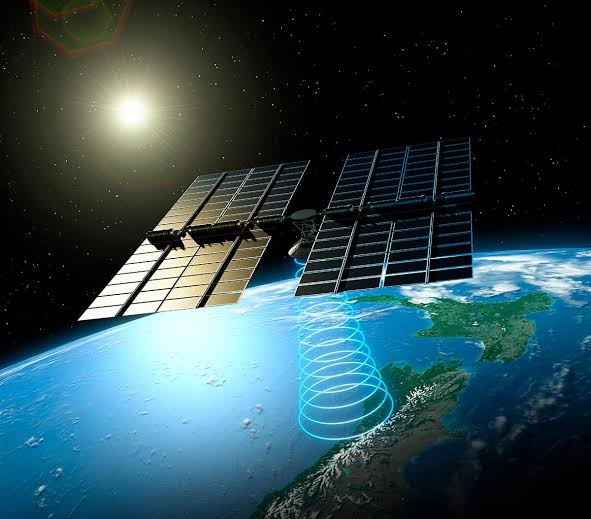
Space-based solar power involves placing large solar energy collection systems in orbit around Earth. These systems would capture sunlight and convert it into electrical energy.
Instead of sending electricity through conventional cables, the system would convert the energy into a form that can travel through space, typically microwave radiation or, in some proposed designs, laser light.
A receiving station on Earth would then capture the transmitted energy and convert it back into electricity for use in the power grid.
The idea has existed for decades, but improvements in solar technology, robotics, wireless power transmission, and reusable rockets have renewed interest in making it practical.
2. How Would It Work?
A space-based solar power system would generally involve three main stages.
Collecting sunlight: Large arrays of solar panels in orbit would capture sunlight and generate electricity.
Transmitting energy: Specialized equipment would convert the electricity into a directed microwave beam or another suitable energy signal aimed toward a receiving station on Earth.
Converting energy into electricity: A ground-based receiving antenna, often called a rectenna in microwave systems, would capture the transmitted energy and convert it into electrical power.
The electricity could then be supplied to the grid, subject to the system’s design and connection requirements.
For this process to be effective, engineers would need to minimize energy losses at every stage, maintain accurate beam alignment, and ensure that the receiving station operates safely.
3. Why Collect Solar Energy in Space?
One major advantage is the possibility of collecting sunlight for longer periods than many ground-based solar installations.
Solar panels on Earth are affected by nighttime, clouds, atmospheric conditions, and seasonal changes. A suitably designed orbital system could receive sunlight for much of its operating time, although some orbits experience regular eclipses.
Space-based systems would also avoid many weather-related interruptions and would not require the same amount of land for solar panels at the collection stage.
If these systems could deliver electricity reliably and economically, they might complement terrestrial solar, wind, hydropower, and other energy sources.
However, receiving stations on Earth would still require suitable locations, infrastructure, and connections to the electricity grid.
4. Could It Help Solve the World’s Energy Challenges?
Global electricity demand is increasing as populations grow, industries expand, and more transport and heating systems become electrified.
Renewable energy is an important part of meeting this demand while reducing greenhouse gas emissions. However, some renewable sources produce electricity intermittently, creating a need for energy storage, flexible power grids, and other reliable sources of supply.
Space-based solar power could potentially provide a more continuous supply of renewable electricity than ground-based solar installations in suitable locations.
It might be particularly valuable as part of a diversified energy system that combines several technologies rather than depending on a single source.
Nevertheless, its contribution would depend on the amount of electricity delivered, the cost of building and operating the system, and how it compares with alternatives already available on Earth.
5. The Biggest Technical Challenges
Despite its potential, space-based solar power remains difficult to implement at a large scale.
Launching equipment into orbit: Building enormous solar arrays and transmission systems would require transporting substantial amounts of equipment into space. Launch costs and the complexity of assembling large structures remain important obstacles.
Constructing and maintaining orbital systems: Large structures would need to withstand radiation, temperature extremes, micrometeoroids, and the harsh conditions of space. Repairs could be complicated and expensive.
Energy transmission losses: Some energy would be lost when sunlight is converted into electricity, transmitted toward Earth, and converted back into usable electrical power.
Accurate beam control: The system would need to direct energy toward its receiving station with precision while maintaining appropriate safety protections.
Engineers must demonstrate that these challenges can be addressed together in a system that operates reliably over many years.
6. Environmental and Safety Concerns
Space-based solar power could generate electricity without directly burning fossil fuels during operation, but it would not be completely free of environmental impacts.
Manufacturing solar panels, building orbital equipment, launching rockets, and constructing receiving stations all require resources and energy. The environmental benefits would depend partly on the system’s total life-cycle emissions.
Space debris is another concern. Large orbital installations would need to be designed to reduce collision risks and avoid contributing unnecessarily to the growing population of objects in orbit.
Microwave or laser transmission would also require careful safety planning. Beam intensity, transmission routes, interference with other systems, and exposure limits would need to be evaluated before commercial deployment.
Public acceptance and clear international rules would be important, particularly for systems that transmit energy across national borders.
7. When Could Space-Based Solar Power Become Reality?
The timeline remains uncertain. Research programs and experimental demonstrations can test individual technologies, but proving that a system works is different from showing that it can deliver electricity competitively at commercial scale.
Future progress will depend on cheaper space launches, advances in lightweight materials, improvements in wireless power transmission, and the ability to assemble and maintain large structures in orbit.
Robotic construction could eventually reduce the need for astronauts to perform complicated assembly work. More efficient solar cells and power electronics could also help improve system performance.
Before space-based solar power becomes a major electricity source, developers will need to demonstrate reliable operation, acceptable environmental impacts, practical safety measures, and costs that can compete with other energy technologies.
Final Thoughts
Space-based solar power offers an ambitious vision: collecting sunlight in orbit and transmitting the energy to Earth for everyday use. If engineers can overcome the challenges of construction, transmission, safety, and cost, the technology could eventually contribute to the world’s clean energy supply.
However, it is not a replacement for expanding renewable energy systems that are already available. Solar farms, wind power, energy storage, and improved electricity grids remain important tools for meeting current energy needs.
For now, space-based solar power is a developing field rather than a proven large-scale commercial solution. Its future will depend on whether scientific progress can turn an exciting concept into a reliable and affordable source of electricity.