From smartphones and laptops to televisions and household appliances, electronic devices have become essential parts of modern life. However, as technology advances and people replace older equipment, discarded electronics are creating a growing environmental challenge.
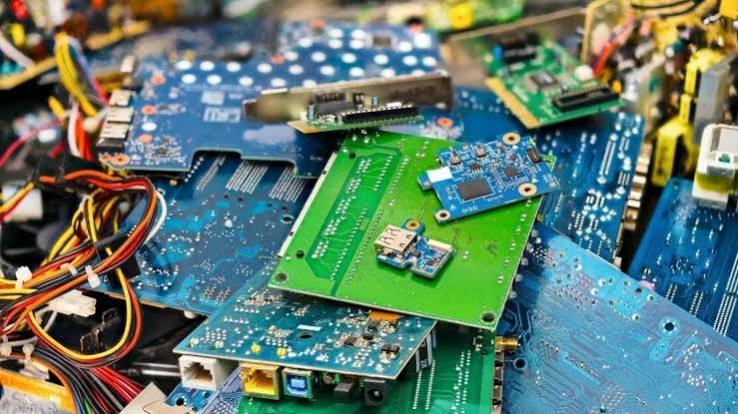
Electronic waste, commonly known as e-waste, includes unwanted electrical and electronic products and their components. Many contain valuable materials such as copper, aluminum, gold, and other metals that can be recovered and reused. They may also contain hazardous substances that can harm people and the environment if handled improperly.
Scientists are developing new recycling technologies to recover more valuable materials, reduce pollution, and make electronic products more sustainable.
1. Why Electronic Waste Is Becoming a Major Problem
The rapid growth of digital technology has increased the number of electronic devices used around the world. Smartphones, computers, batteries, and other products are often replaced when they become outdated, damaged, or difficult to repair.
Unfortunately, many discarded devices are not properly collected or recycled. Some end up in landfills, while others are dismantled using unsafe methods to recover valuable components.
When electronic waste is burned or processed without suitable controls, it can release toxic substances into the air, soil, and water. Informal recycling workers may also face dangerous exposure to hazardous materials.
Improving electronic waste management is therefore important for environmental protection, public health, and the responsible use of natural resources.
2. Recovering Valuable Materials From Old Electronics
One major reason scientists are improving e-waste recycling is that discarded electronics contain materials worth recovering.
Circuit boards, cables, batteries, and other components may contain copper, aluminum, gold, silver, and critical minerals used in modern technology.
Mining and processing new materials can require significant energy, water, and land. Recovering usable materials from discarded electronics can reduce the need for some new mining and help conserve limited resources.
However, extracting these materials is not always straightforward. Electronic devices contain complex mixtures of metals, plastics, glass, adhesives, and other substances.
Scientists are developing more efficient methods to separate these materials while reducing waste and avoiding dangerous chemicals.
3. New Chemical Methods for Metal Recovery
Traditional recycling processes may involve high temperatures or chemical treatments to separate metals from electronic components. Although these methods can recover valuable materials, they may consume substantial energy or create hazardous waste if poorly controlled.
Researchers are investigating alternative chemical processes that could improve recovery while reducing environmental impacts.
Some approaches use specially designed liquids to selectively dissolve particular metals. Others investigate less hazardous chemical mixtures that make it easier to separate valuable materials from complex electronic components.
The aim is to recover useful metals more efficiently while limiting chemical consumption, energy use, and pollution.
These methods are still being developed and tested for different materials. Their practical value depends on factors such as recovery rates, operating costs, chemical reuse, and the safe treatment of remaining waste.
4. Using Artificial Intelligence to Improve Recycling
Artificial intelligence is helping researchers explore ways to make electronic waste sorting faster and more accurate.
Computer vision systems can analyze images of discarded devices and identify different objects or components. Combined with sensors and automated machinery, these systems may help recycling facilities separate materials that would otherwise require extensive manual sorting.
Robotic systems can also assist with dismantling selected devices, removing batteries, and separating components for further processing.
Better sorting can improve the quality of recovered materials and reduce contamination between different waste streams.
However, electronic products vary considerably in their design. Effective automated recycling systems must handle unfamiliar devices, changing product materials, and potentially hazardous components safely.
5. Recovering Materials From Batteries
Batteries are an important focus of electronic waste research because they contain materials used in electric vehicles, smartphones, laptops, and energy storage systems.
Depending on their chemistry, batteries may contain lithium, nickel, cobalt, copper, and other valuable materials.
Scientists are developing improved recycling techniques to recover these resources and return them to manufacturing.
Some methods use mechanical processing followed by chemical extraction. Others investigate direct recycling approaches that aim to preserve and restore useful battery materials rather than breaking everything down into separate chemical elements.
Effective battery recycling can reduce waste and support more sustainable supply chains. It also requires careful handling because damaged batteries can overheat, catch fire, or release hazardous substances.
6. Turning Electronic Waste Into a Circular Economy
A circular economy aims to keep products and materials in use for as long as possible instead of following a pattern of manufacturing, consumption, and disposal.
For electronics, this means designing products that are easier to repair, upgrade, dismantle, and recycle.
Scientists and engineers are exploring recyclable materials, modular device designs, and manufacturing techniques that make valuable components easier to recover at the end of a product’s life.
Repairing and reusing devices can also extend their useful lives, reducing the need to manufacture replacements.
Recycling is important, but it is only one part of the solution. Collecting discarded electronics properly, improving product durability, and encouraging responsible purchasing are equally valuable steps.
7. Challenges Scientists Still Need to Solve
Despite technological progress, electronic waste recycling remains difficult.
Different products contain different materials, and many devices are designed in ways that make dismantling complicated. Recovering tiny quantities of valuable metals can also be expensive.
New recycling processes must demonstrate that they are safe, economically practical, and environmentally beneficial when all stages are considered.
Another challenge is the lack of adequate collection and recycling infrastructure in many regions. Even an advanced recycling technology cannot recover materials from devices that never reach an appropriate facility.
Governments, manufacturers, recycling companies, and consumers all have roles to play in improving collection systems and ensuring that discarded electronics are handled responsibly.
Final Thoughts
Scientists are developing new ways to recycle electronic waste because discarded devices contain valuable resources as well as materials that can harm the environment when handled incorrectly.
Advances in chemical recovery, artificial intelligence, robotics, and battery recycling could help recover more materials while improving safety and efficiency.
However, technology alone will not solve the e-waste problem. Better collection systems, repairable products, responsible disposal, and investment in recycling infrastructure are also essential.
As the world becomes increasingly dependent on electronic devices, developing more effective recycling methods will be an important step toward conserving natural resources, reducing pollution, and building a more sustainable technology industry.