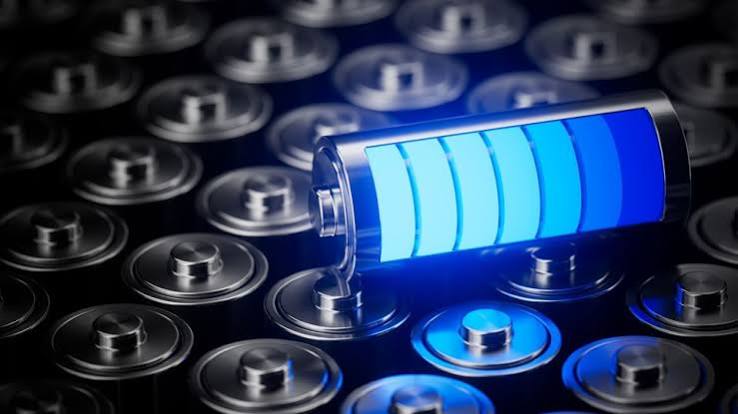
Batteries are essential to modern technology, powering smartphones, electric vehicles, laptops, and renewable energy storage systems. As demand for these technologies grows, scientists and manufacturers are searching for ways to produce batteries using materials that are more abundant, affordable, and easier to obtain.
Today, many batteries depend on materials such as lithium, cobalt, and nickel. Although these elements are valuable, their extraction can be expensive and environmentally challenging. Researchers are now exploring alternative battery technologies that could make energy storage more accessible and sustainable.
1. Why Battery Materials Matter
The materials inside a battery determine how much energy it can store, how quickly it charges, how long it lasts, and how much it costs to manufacture.
Lithium-ion batteries dominate many consumer electronics and electric vehicles because they offer high energy density and reliable performance. However, the supply chains for certain battery materials can face price fluctuations, mining challenges, and geographic concentration.
As electric vehicles become more common and renewable energy expands, manufacturers need dependable supplies of battery materials. Using more widely available elements could help reduce supply risks and make large-scale energy storage less expensive.
2. Sodium-Ion Batteries Offer an Alternative
One promising development is the sodium-ion battery. Sodium is widely available in seawater and many mineral deposits, making it more abundant than lithium.
Sodium-ion batteries operate on a similar principle to lithium-ion batteries, moving ions between electrodes during charging and discharging. Researchers and manufacturers are working to improve their energy density, durability, and production costs.
These batteries may be particularly useful for stationary energy storage, where size and weight are often less important than cost and reliability. They could also serve certain electric vehicles and other applications.
However, sodium-ion batteries generally store less energy per unit of weight than leading lithium-ion designs. Their suitability therefore depends on the intended use.
3. Iron-Based Batteries Could Lower Costs
Iron is another material attracting attention because it is widely available and relatively inexpensive. Researchers are developing battery systems that use iron-based chemistry to store electricity.
Iron-air batteries, for example, store and release energy through reactions involving iron and oxygen. Some designs aim to provide electricity for long periods, making them potentially valuable for storing energy from solar and wind power.
Unlike batteries designed primarily for lightweight transportation, grid-storage systems can prioritize affordability and long operating times.
Iron-based technologies still face challenges, including efficiency, durability, and the need to demonstrate reliable performance at commercial scale. Nevertheless, they could complement existing battery systems.
4. Zinc Batteries Are Gaining Interest
Zinc is another relatively abundant metal being investigated for energy storage. Zinc-based batteries can offer advantages such as potentially lower material costs and the use of water-based electrolytes in some designs.
Aqueous zinc batteries, which use water-based electrolytes, are particularly interesting because they can reduce certain fire risks associated with flammable electrolytes. Researchers are working to address problems such as corrosion, unwanted chemical reactions, and limited cycle life.
If these challenges can be overcome, zinc batteries could become useful for stationary storage, backup power, and other applications where safety and affordability are important.
5. Reducing Dependence on Cobalt and Nickel
Some lithium-ion batteries use cobalt and nickel to improve performance. However, concerns about mining impacts, supply concentration, and material costs have encouraged manufacturers to explore alternatives.
Lithium iron phosphate (LFP) batteries replace nickel- and cobalt-containing cathodes with a chemistry based on lithium, iron, and phosphate. LFP technology is already widely used in electric vehicles and energy storage systems.
Although LFP batteries generally have lower energy density than some nickel-rich alternatives, they can offer long service life, strong thermal stability, and lower dependence on certain costly metals.
This demonstrates that reducing reliance on scarce materials does not always require abandoning lithium entirely. Improving existing battery chemistries can also make supply chains more resilient.
6. The Challenges of Developing New Batteries
Finding abundant materials is only part of the solution. A successful battery must also perform reliably, charge efficiently, last through many cycles, and be affordable to manufacture.
New technologies must compete with established battery factories, supply chains, and production methods. Even when raw materials are inexpensive, processing them into high-performance battery components can be difficult.
Researchers also need to consider recycling, environmental impacts, and the energy required to manufacture batteries. A material’s abundance alone does not guarantee that its extraction and processing will be sustainable.
Moving from laboratory experiments to large-scale production can take years, particularly when a technology must prove its safety and reliability.
7. What This Means for Renewable Energy and Electric Vehicles
More affordable batteries could help expand access to electric transportation and renewable energy. Solar panels and wind turbines produce electricity according to weather conditions, so energy storage can help balance supply and demand.
Battery technologies using abundant materials may be especially useful for storing electricity over several hours or longer. They could help utilities manage fluctuations in renewable generation and reduce pressure on electricity networks.
For electric vehicles, different battery chemistries may serve different needs. Drivers who prioritize long range and low weight may benefit from high-energy-density batteries, while lower-cost alternatives could suit shorter journeys and budget-conscious vehicles.
Rather than one battery replacing every other type, the future may involve several technologies designed for different purposes.
Final Thoughts
The race to develop batteries using more abundant materials is an important part of the global shift toward cleaner energy. Sodium, iron, zinc, and other widely available elements could help reduce dependence on certain costly or supply-constrained materials.
However, affordability, safety, durability, efficiency, and environmental performance will determine which technologies succeed. Some alternatives are already being commercialized, while others remain under development.
As research and manufacturing improve, a wider range of battery technologies could make energy storage more accessible and support the growth of renewable electricity and electric transportation.